

How to Collaborate With Recording Studio Session Mates (and Maximize Studio Time) With AI
Recording studio time is expensive. Here's how producers plan better recording sessions, collaborate smarter, and use AI voice cloning to stay productive between bookings.
Most sessions don't fail because the talent wasn't there. They fail because nobody walked in with a clear enough plan.
You've booked the time, your vocalist or co-writer is on their way, and somewhere between loading up the session and trying to remember which reference track you wanted to play them, two hours disappear. The recording gets done eventually, but not the way you imagined it, and not as fast as you needed it.
The good news is that most of what kills a session happens before anyone hits record. And with a bit of structure—and the right tools—you can walk into every session knowing exactly what you're there to accomplish.
Before the Recording Session: Doing the Work Early

Set a Specific Goal
"Work on the song" is not a goal. A goal is: walk out with a comped lead vocal on the verse and chorus or lock the topline on the bridge and get two takes on the pre-chorus.
The more specific you are about what a successful session looks like, the easier it is to stay on track when you're in the room and the energy is pulling you in ten directions. It also keeps your collaborators focused. A vocalist or co-writer who knows exactly what you're trying to accomplish that day has no reason to wander. Without a defined target, a two-hour session has a way of becoming a six-hour one.
Get Your Files Ready Before Anyone Arrives
Send your vocalist or co-writer a rough mix ahead of time. Give them the tempo, the key, and any references that capture the feel you're after. Nobody should be hearing the track cold when they walk through the door.
On your end: stems labeled, project backed up to a hard drive, headphone mix dialed in. The more of this you handle before the session starts, the more time you have for the actual work.
Audition Vocal Styles Before You Book Anyone
One of the most common ways producers waste session time is arriving without a clear vocal direction. You know the track needs a vocalist, but you're not sure what kind of vocalist—the range, the tone, the genre feel.
Kits AI's voice library lets you trial different voices against your track before you've committed to a single session booking. Run your instrumental through a few different royalty-free voices. Try a warm alto, a bright pop soprano, or a raspy R&B tone and see what the track is actually asking for. By the time you bring a real singer in, you know what you want and can now how to produce the session with confidence.
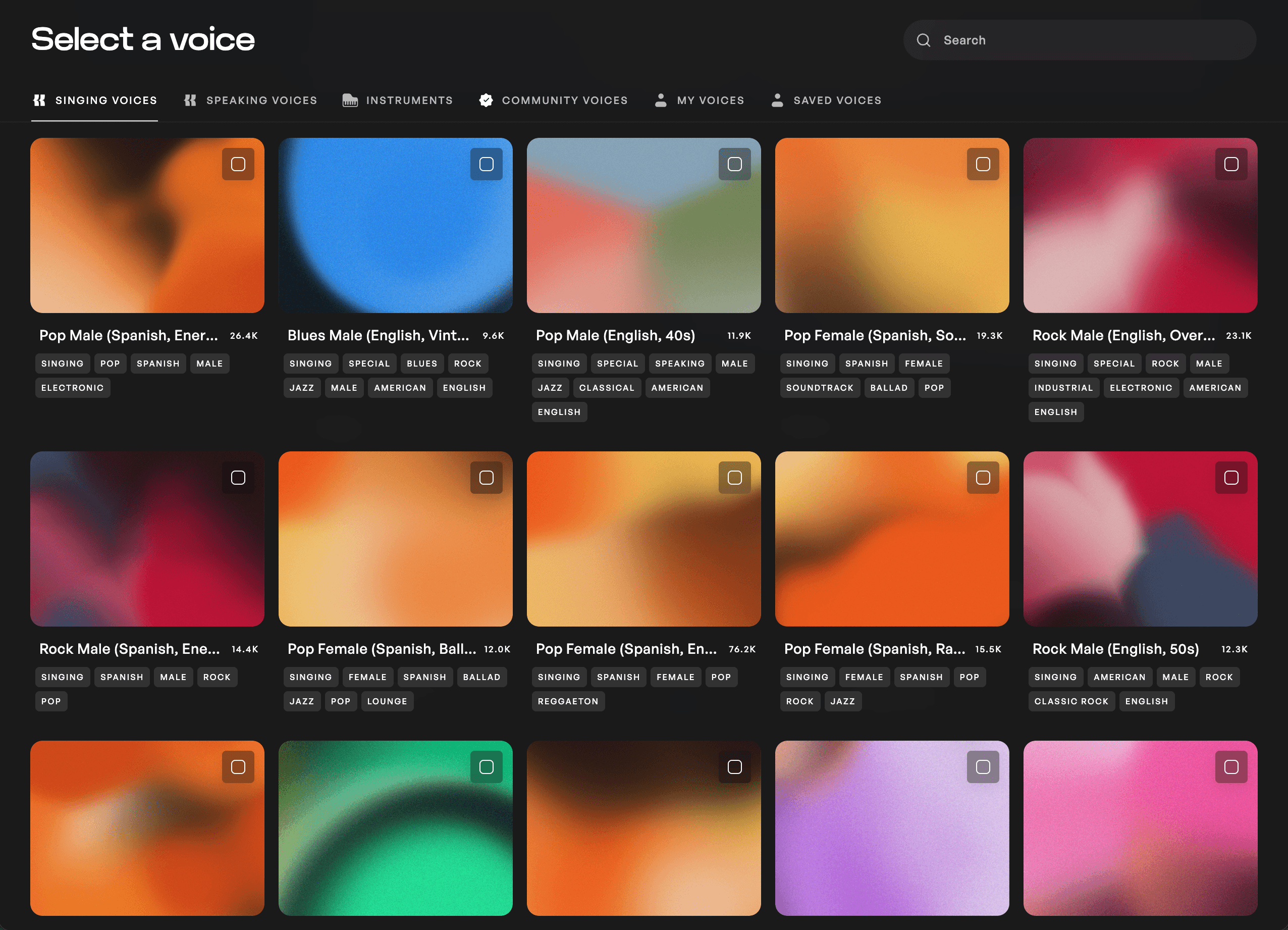
For a deeper look at how to use this process to find the right vocal fit for your music, this guide on finding the right vocalist for your tracks is worth reading before your next session.
During the Session: Staying Focused in the Recording Studio
Set the Direction Before the First Take
Before anyone sings a note, play the reference. Talk through the feel. Be specific about what you're going for—not just the technical stuff, but the emotion behind it. A vocalist who understands why a part should feel a certain way will get there faster than one who's just following instructions.
Thirty seconds of direction up front saves you ten wasted takes.
Record Everything
Keep the recording going even when you're not officially "running a take." Some of the best moments in any session happen between the ones that count. You'll be surprised how many uses you will find from a throwaway run, a warm-up phrase, or an instinctive thing a vocalist does when they think nobody's listening.
Unlike recording to tape, modern DAWs give you unlimited tracks and takes with no real cost to capturing everything. Take comping is fast, and those scratch vocals you almost didn't keep have a habit of becoming the best background vocals, harmonies, or ad-libs on the record. With a tool like Kits AI's pitch editor, you can clean up and tune any of those captured moments quickly, turning what felt like a throwaway into something usable.
You can always delete what you don't need. You can't go back for what you didn't capture.
YouTube: New Feature: Browser-Based Vocal Pitch Editor Now in Kits AI posted by Kits AI
Know When to Move On
Getting stuck on one section is one of the most reliable ways to blow your time in the studio. If the chorus isn't clicking after a few genuine attempts, mark it, move on, and come back to it later with fresh ears. A session that finishes three sections well beats one that circles the same eight bars for two hours.
Keep the Energy Right
Recording sessions run on trust and comfort. Take breaks before anyone gets frustrated and give honest feedback. Musicians and co-writers can tell when you're being vague to avoid a conversation, and it slows everything down. Keep the session feeling like a collaboration, not a job interview.
After the Session: Keeping the Momentum Going
Back Up and Organize Before You Close the Laptop
This is the part most producers skip. Files don't get named, stems don't get exported, and a week later you're digging through a folder called "New Session 7" trying to find the take you actually wanted.
Name your files, export your stems, and back everything up before the session is fully out of your head. Five minutes of organization now saves an hour of confusion later.
Send a Quick Summary to Your Collaborators
It doesn't have to be formal. A voice note or a short message covering what you finished, what still needs work, and what the next steps are is enough. It keeps everyone on the same page and means your next session starts from a shared understanding instead of a vague memory.
Clone Your Vocalist and Keep Building Between Sessions
This is where things get interesting for producers with regular collaborators.
Once you've recorded with a vocalist, you have the raw material to build an AI voice model of them, with their knowledge and consent, of course. From there, you can keep writing and demoing in their actual voice without waiting on their availability. New verse idea at midnight? Demo it. Want to try a different melody on the bridge? Try it. Arrive at your next session with something that already sounds like the finished product.
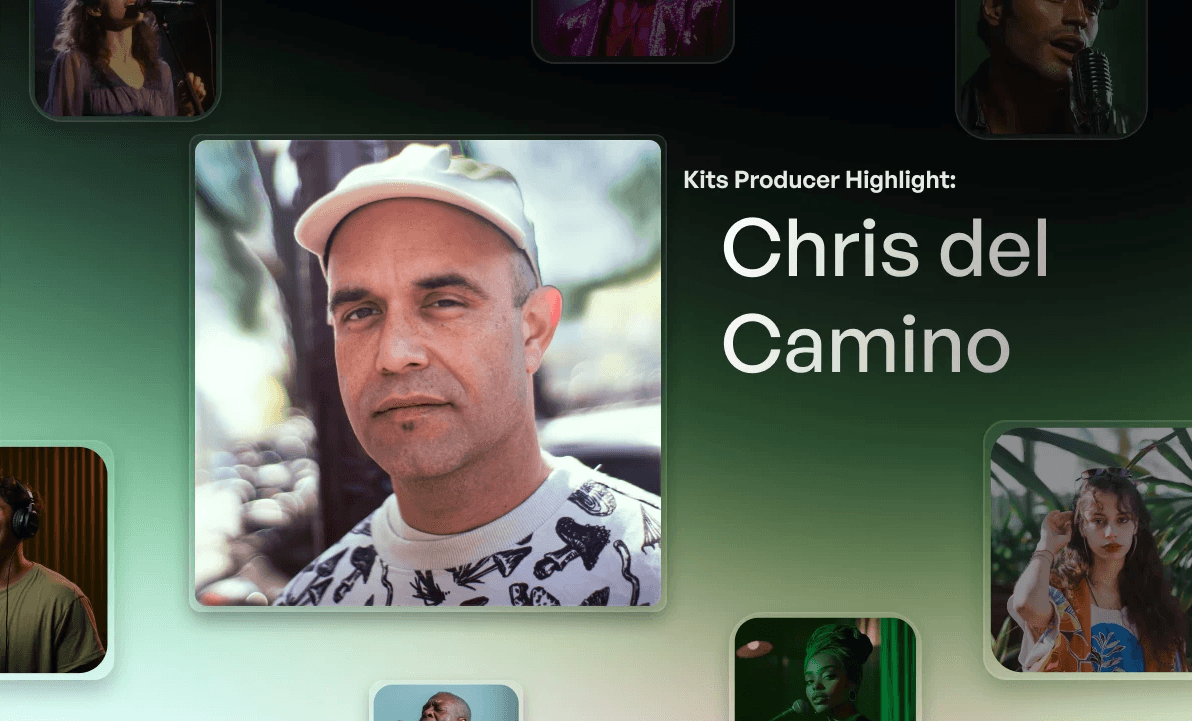
Amsterdam-based producer and songwriter Chris del Camino uses exactly this approach when writing for HIRIE, the reggae-pop band with over 55 million Spotify streams. Rather than pitching ideas in his own voice and hoping the artist could imagine herself in the song, Chris cloned the lead singer's voice with Kits and started writing demos that sounded like her. The result was pitches that land the way they're meant to, and sessions that start from a much stronger place.
The key word in all of this is consent. Cloning someone's voice is a collaboration, not a shortcut you take without asking. Kits AI is built around ethical AI voice practices, with every voice in the platform being ethically licensed and sourced directly from the artists themselves. The same standard applies when you're working with a real person: have the conversation, get their buy-in, and make it clear how you plan to use the clone.
When that foundation is in place, the creative possibilities are genuinely useful. The work that used to stall between sessions doesn't have to anymore.
If keeping projects moving after a session is something you struggle with, this guide on finishing your tracks covers the most common places music stalls and how to push through them.
Conclusion
The producers who consistently get the most out of their studio time are the ones who show up prepared with clear goals, organized files, a vocal direction they've already tested, and a plan for what happens after everyone goes home.
What's changed is what you can do between sessions. AI voice tools give you a way to keep writing, demoing, and making decisions in your collaborator's actual voice so that by the time you're back in the room together, you're not starting from scratch.
If you want to start applying this before your next booking, explore the Kits AI voice library to find a vocal direction for your current track, or look into cloning a vocalist you already work with regularly.
Justin is a Los Angeles based copywriter with over 16 years in the music industry, composing for hit TV shows and films, producing widely licensed tracks, and managing top music talent. He now creates compelling copy for brands and artists, and in his free time, enjoys painting, weightlifting, and playing soccer.