

How To Create a Topline: A Producer’s Guide to Writing Melodies and Hooks that Stick
Learn how to write a topline for your beats, from melody creation to vocal hooks. A practical guide for producers, plus how AI vocal generators can help spark ideas.

If you’ve ever made a beat you loved but struggled to turn it into a full song, you’re not alone. A lot of producers hit this wall: the production is solid, the groove is there, but something’s missing.
That “something” is usually the topline.
In simple terms, a topline is the vocal melody and lyrics that sit on top of your instrumental. It’s the part people sing along to, the hook they remember, and often the reason a track gets placed, released, or replayed.
Whether you’re new to the concept or trying to improve your workflow, this guide breaks down what topline writing is, how to approach it as a producer, and how to start creating your own.
What Is a Topliner in Music?
A topliner is a songwriter who specializes in writing vocal melodies and lyrics over an existing instrumental. In many modern workflows, especially in pop, hip hop, and EDM, the beat often comes first, and the topliner builds the vocal around it. For example, a topliner might listen to a finished instrumental, hum different melodies over the beat, and then craft lyrics to fit the chosen melody, ensuring the vocal complements the rhythm and mood of the track.
For producers, this relationship is key. You might create the track, but the topline is what turns it into a song.
This is also why great beats don’t always lead to placements. Without a strong melody or vocal hook, it’s harder for artists, labels, or listeners to connect with the track.
Why Topline Writing Matters for Producers
A strong topline gives your track a clear identity and creates the kind of memorable hook that listeners come back to. It also helps your demo feel complete, making it easier for artists to imagine themselves on the record.
Think about how people engage with music. They don’t hum drum patterns, they hum melodies. If your track doesn’t have one, it’s at a disadvantage from the start. Having a clear plan for your topline before you start production can help ensure your track stands out, guiding your creative decisions and keeping your workflow organized.
What to Prepare Before Writing (or Sending a Beat)
Before you begin writing a topline, or send your track to a songwriter, it’s important to set a solid foundation. Preparing your audio recordings by cleaning and organizing them ensures they are ready for the next stage. Having your tempo and key clearly defined ensures that any melody written on top will fit naturally with the track.
It also helps to create a clean arrangement that leaves space for vocals, rather than overcrowding the instrumental with too many competing elements. Including a few reference tracks can go a long way in communicating the vibe you’re aiming for, especially when collaborating.
Finally, having a clear emotional direction, whether that’s dark, euphoric, or nostalgic, makes it much easier to guide the topline in a cohesive direction.
Finding Inspiration for Toplines
Finding inspiration for topline melodies is a vital part of music production, and it often starts with exploring a wide range of musical ideas and influences. Many producers find that listening to other artists, across different genres and styles, can spark fresh ideas and help them break out of creative ruts. Experimenting with new chord progressions or rhythms can also open up unexpected directions for your topline.
Collaborating with other musicians, such as singers, instrumentalists, or even members of your topline team, can bring new perspectives and creative energy to the process. Sometimes, just jamming with friends or other producers in the studio can lead to breakthrough moments. Don’t overlook the power of AI tools either; these can generate unique melodic ideas or help you experiment with different vocal styles, giving you a head start when producing music.
Ultimately, staying curious and open to new experiences, whether that’s trying out a new instrument, joining a music production community, or simply playing around with different sounds will help you develop a distinctive style and create topline melodies that truly resonate with listeners.

How to Find Topline Writers
If you’re not planning to write toplines yourself, there are plenty of ways to find collaborators. Many producers connect with topliners through online co-writing platforms and marketplaces, while others build relationships through social media and online music industry communities on Reddit, Facebook and Instagram.
Local sessions and creative meetups can also be incredibly valuable, especially for building long-term partnerships.
At the end of the day, the best collaborations come down to shared taste and clear communication. A strong topliner isn’t just writing melodies, they’re helping translate your production into something emotionally resonant.
How to Write a Topline Yourself
If you want to start writing your own toplines, you don’t need to be a trained singer or lyricist to get started. My advice for beginners is to focus on practicing and experimenting, rather than worrying about having expensive equipment, improvement comes from consistent effort and creativity. The process is more about feel and experimentation than technical perfection.
Start with Melody, Not Lyrics
One of the most effective ways to begin is by humming over your beat. Your voice is the most intuitive instrument for melody writing, allowing you to naturally discover rhythms and phrasing that fit the track. Using quality headphones can help you accurately hear the nuances of your melody as you write, ensuring you catch subtle details that might be missed on speakers.
By looping your instrumental and freestyling without overthinking, you can quickly stumble onto ideas that feel organic and compelling.
Focus on Hook Structure
Most strong toplines are built on a foundation of repetition, rhythm, and contrast. Repetition helps listeners latch onto the idea, while rhythm ensures the vocal sits comfortably within the groove of the track.
Contrast plays an equally important role, especially when moving from verses into the chorus. A great chorus often feels like a lift, whether that comes from increased energy, a wider melodic range, or a more emotional delivery.
Test if It’s “Sticky”
Before committing to lyrics, it’s worth evaluating whether your melody is actually memorable. A simple way to test this is by asking yourself if you can recall it after just one listen.
If it doesn’t stick right away, it’s usually a sign that the melody needs refinement. The strongest toplines tend to feel effortless, even in their earliest stages.
Using a recording app can help you quickly capture and review your topline ideas on the go.

Polishing Your Track
Creating Harmonies for Your Topline
Adding harmonies to your topline is an essential step in music production that can transform a simple melody into a rich, professional-sounding song. Harmonies provide depth, emotion, and texture, making your track stand out and feel more dynamic. Producers can experiment with techniques like doubling the main melody, layering in thirds or sixths, or using suspensions and appoggiaturas to create tension and release.
Music production gear, such as digital audio workstations (DAWs) and harmony generators, makes it easier than ever to craft and refine harmonies. You can use these tools to try out different harmony lines, adjust their placement in the mix, and ensure they complement the main melody without overpowering it. By exploring various harmony techniques and leveraging the right production tools, producers can create a compelling topline that elevates the entire track and ensures a memorable release.
YouTube: New Feature: Instant Vocal Harmonies with Kits.ai's Harmony Generator posted by Kits AI
Editing and Refining Your Topline
Editing and refining your topline is a crucial part of the music production process that separates a good song from a great one. Once you’ve created your initial melody, take the time to review it critically, listen for sections that might need tightening, and don’t be afraid to cut, copy, or rearrange parts to improve the overall flow.
Using music production software, such as your favorite DAW, you can make precise adjustments to timing, pitch, and phrasing. Automation is a powerful tool here, allowing you to add dynamic changes in volume, effects, or even vocal processing to keep the topline engaging throughout the song. By carefully editing and refining your melody, you ensure that your topline is not only catchy and memorable but also polished and professional, ready to shine in the final production.
Creating a Bridge Section
A well-crafted bridge section is a powerful tool in music production, offering a fresh twist that keeps listeners engaged. The bridge typically appears after the second chorus and before the final chorus, providing a break from the song’s main themes and introducing new musical ideas or emotions. This is your chance to experiment, try changing up the chord progression, introducing a new melody, or shifting the tempo or time signature to surprise your audience.
Producers can also use sound design elements, such as reverb, delay, or unique samples, to create a distinct atmosphere in the bridge. By thoughtfully constructing this section, you add depth and complexity to your song, making the return to the final chorus even more impactful. A strong bridge not only showcases your creativity but also helps your production stand out in a crowded market.
Recording a Demo of Your Topline
Recording a demo of your topline is an essential step in the music production process, allowing you to hear how your melody fits within the full track. Start by using a digital audio workstation (DAW) and a virtual instrument, like a piano or guitar, to lay down a rough version of your topline. If you have access to a microphone, try recording a vocal or instrumental performance to capture the nuances of your idea.
Toplining Tips and Tricks
Using AI to Spark Ideas
If you find yourself stuck or don’t have access to a vocalist, AI tools can offer a fast and flexible way to generate new ideas.
These AI tools often provide a structured system for generating and refining topline ideas, helping you organize your creative process more efficiently.
Experimenting with AI can also be a valuable learning experience for producers looking to improve their topline writing skills.
Common Topline Mistakes to Avoid
Even strong ideas can fall short if certain fundamentals are overlooked. One common issue is melodies that wander without a clear sense of direction, which can make a topline feel unfocused or forgettable. A great melody should build tension and resolve in a satisfying way.
Another frequent problem is writing lyrics that don’t match the emotional tone of the beat. When the words and production feel disconnected, it can confuse the listener and weaken the overall impact.
Phrasing is another key factor. If the vocal rhythm doesn’t sit naturally within the beat, it can feel awkward or forced, even if the melody itself is strong. Poor mixing can also cause the topline to get lost in the track, making it difficult for listeners to connect with the main melody.
Finally, a lack of dynamics can make a topline feel flat. Strong songs tend to evolve over time, with verses that pull back and choruses that open up, creating a sense of movement and excitement.
The master stage is crucial for ensuring the topline sounds polished and professional across all playback systems.
How an AI Vocal Generator Helps
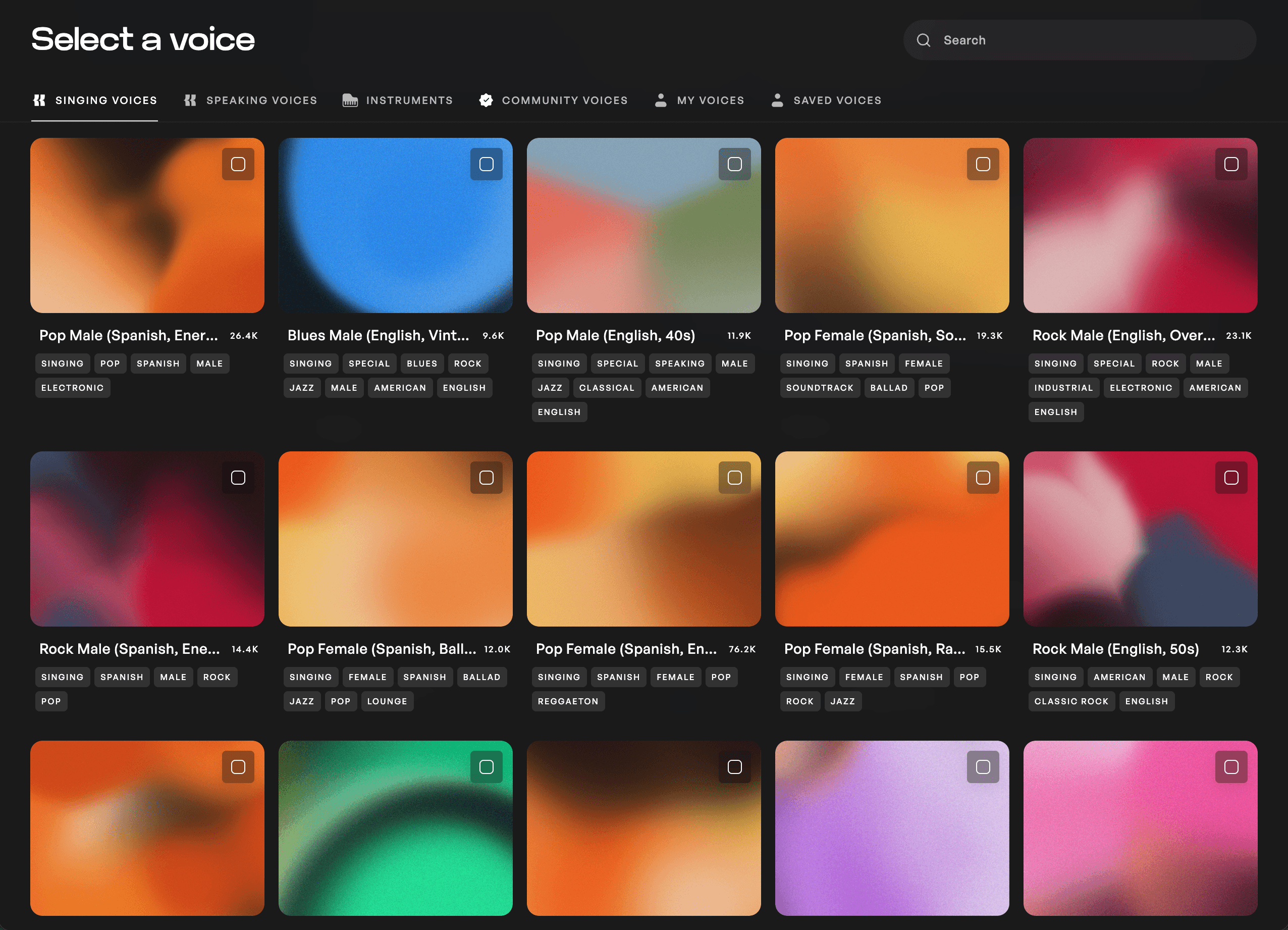
Tools like Kits AI’s vocal generator allow you to input lyrics or simple phrases and instantly hear them translated into melodies. You can experiment with different vocal styles and tones, which makes it easy to explore a range of creative directions without needing to record a singer.
This approach is especially useful for producers who want to build stronger demos or quickly test ideas before a session.
AI vocal generators are valuable resources for producers seeking inspiration and efficiency.
YouTube: New Feature: Generate AI Singing with Kits Text-to-Vocal Generator posted by Kits AI
From Rough Idea to Real Topline
A typical workflow might start with generating a rough vocal idea from text input. From there, you can refine the performance by swapping voices, adjusting pitch, or tweaking phrasing until it better fits your track.
Once you land on something that works, that idea can serve as a reference point, either for a real topliner or as the foundation for further development.
AI as a Starting Point, Not the Finish Line
It’s important to think of AI as a creative starting point rather than a finished solution. These tools are incredibly useful for breaking writer’s block and exploring new melodic ideas quickly.
However, the human element, emotion, storytelling, and nuance, is still what ultimately makes a topline connect with listeners on a deeper level.
Final Thoughts
Topline writing is one of the most valuable skills a producer can develop. It’s what transforms a beat into a complete song and gives listeners something to remember.
Whether you’re collaborating with topliners, writing your own melodies, or using AI tools to spark ideas, the goal remains the same: create something that sticks.
Because in the end, the tracks that stand out aren’t just well-produced, they’re unforgettable.