The Impact of Classical Music on Pop: How Iconic Composers Influence Modern Music
Written by
The Kits Team
Published on
February 24, 2026
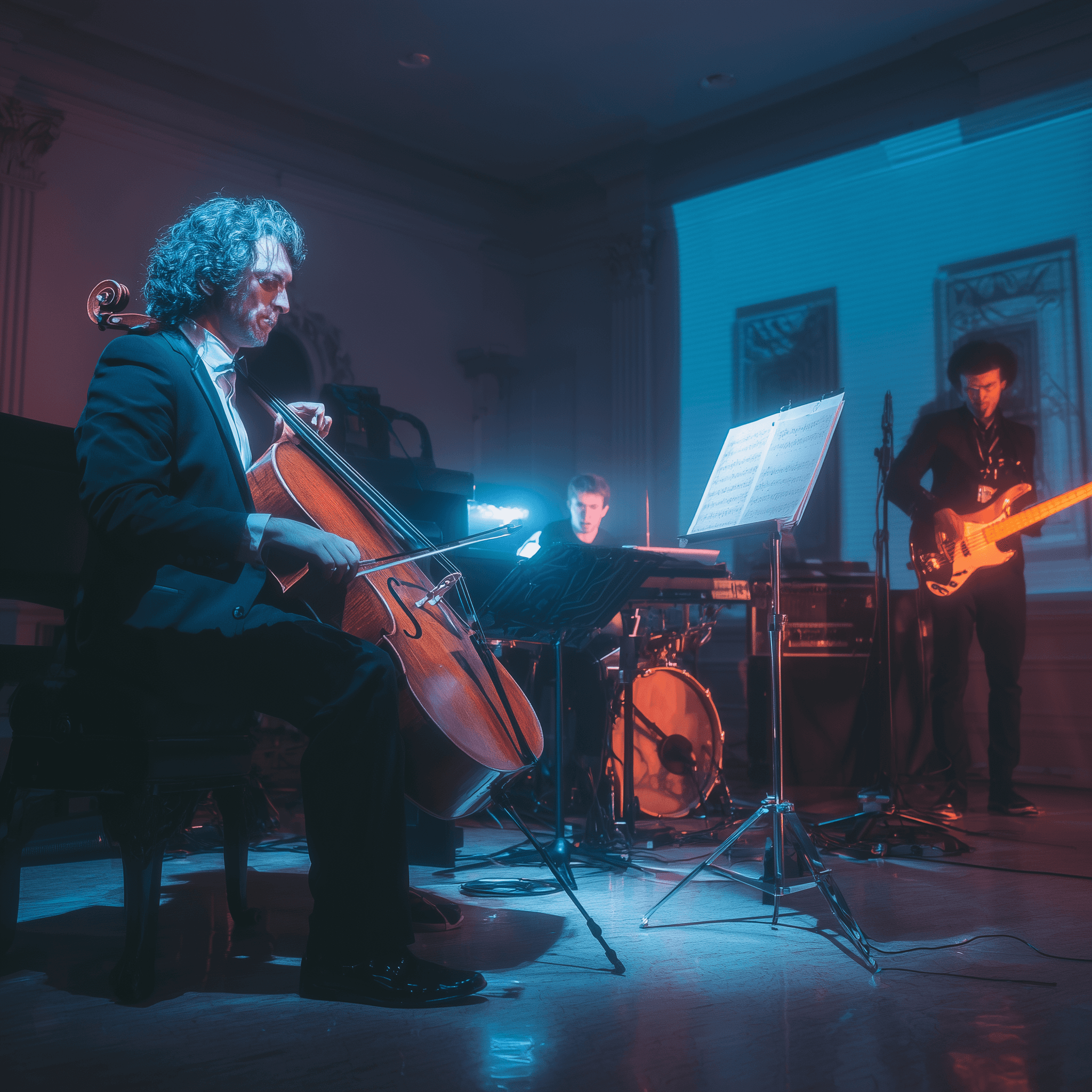
When people think of modern popular music, they usually picture electric guitars, synths, and streaming playlists, not powdered wigs and candlelit concert halls. But dig a little deeper into rock, pop, hip-hop, and film scores, and you’ll find something surprising: classical music is still everywhere. There is a close relationship and crossover between classical and pop, with each genre borrowing elements from the other throughout music history.
From dramatic chord progressions and evolving motifs to cinematic arrangements and even direct sampling, many of the tools modern artists rely on were pioneered centuries ago. The influence of classical music extends far beyond its own genre. In fact, classical and pop music have influenced each other in significant ways, with classical compositions and motifs often appearing in popular songs across different eras. Classical music is a vast and dynamic tradition, often referred to as 'art music' to distinguish it from more commercial forms, that continues to inspire musicians of all backgrounds.
Let’s explore a handful of legendary composers whose influence continues to echo across modern music, and where you can still hear them in today’s biggest sounds.
Introduction to Classical Music
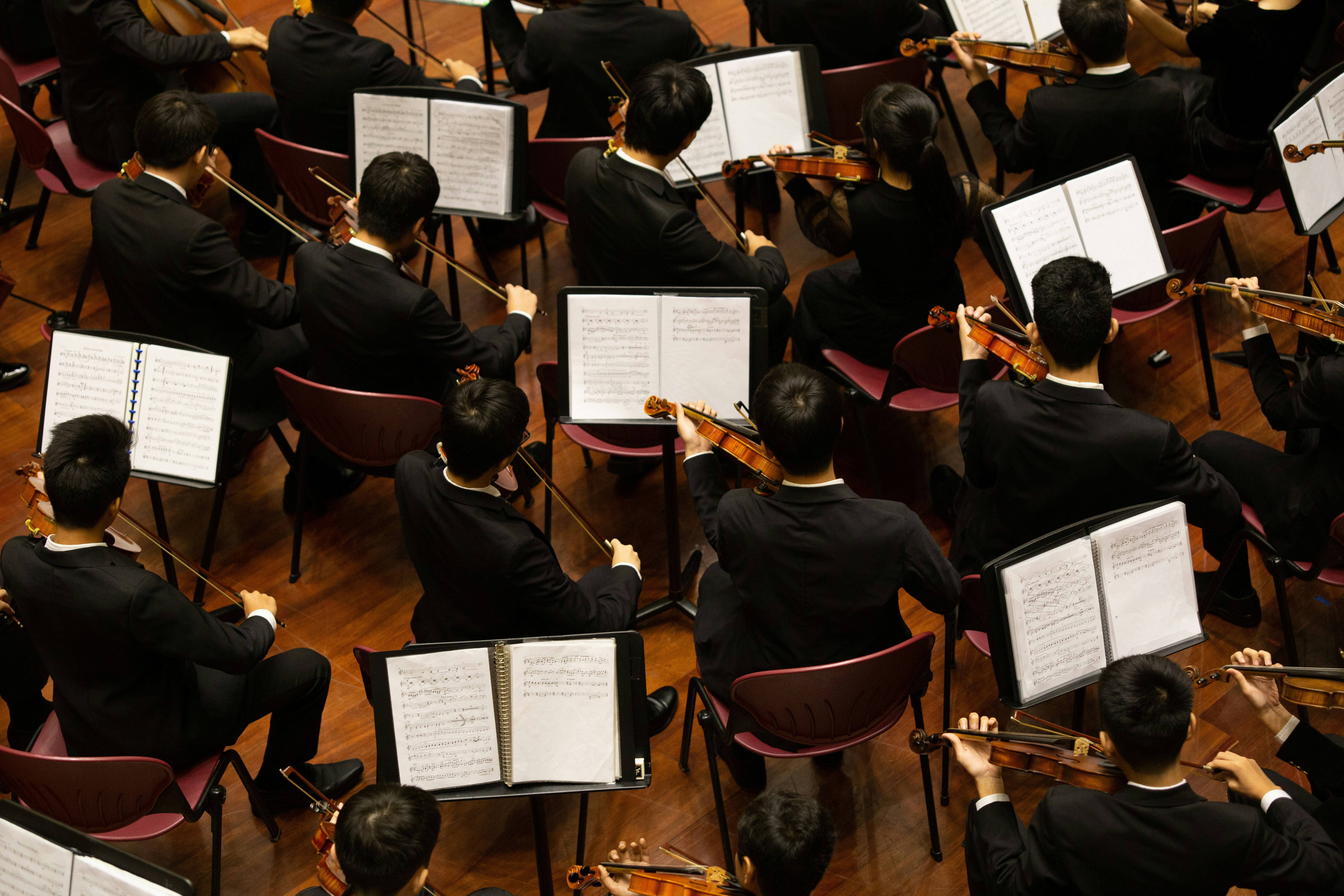
Classical music is more than just the sound of grand concert halls and centuries-old compositions, it’s a vast and dynamic tradition that has shaped the very foundation of Western music. Spanning from the intricate harmonies of Renaissance music to the innovative works of contemporary composers, classical music encompasses a wide range of styles, forms, and eras. What unites these diverse sounds is a shared emphasis on orchestral instruments, complex harmonies, and carefully crafted structures like sonatas, symphonies, and concertos.
The influence of classical music extends far beyond its own genre. Many of the world’s most celebrated classical composers, think Bach, Beethoven, and Mozart, are still performed and admired today, with their works serving as touchstones for both professional musicians and music lovers alike. But the reach of classical music doesn’t stop at the concert hall. Its traditions and techniques have left a lasting mark on contemporary music, inspiring artists across genres to experiment with classical forms, harmonies, and instrumentation.
From the soaring strings in rock music anthems to the sophisticated arrangements in pop songs, the echoes of classical music can be heard throughout today’s most popular music. Modern artists often draw on the emotional depth and structural sophistication of classical pieces, blending them with new sounds to create something fresh and exciting. Whether you’re listening to a chart-topping pop hit or an experimental rock album, chances are you’re hearing the legacy of classical music at work.
Historical Context and Evolution
The story of classical music is one of constant evolution, stretching back over 400 years and encompassing some of the most creative minds in music history. It all began with the Renaissance period in the 16th century, a time when composers explored polyphonic harmonies and intricate musical structures, laying the groundwork for future innovation. As music moved into the Baroque era, figures like Bach and Handel pushed boundaries even further, introducing new forms such as the concerto and opera, and elevating the art of composition to new heights.
The Classical period, spanning from the mid-18th to the early 19th century, marked a golden age for music. Composers like Haydn, Mozart, and Beethoven refined the symphony and the sonata, creating works that balanced clarity, order, and expressive power. Their music set the standard for what we now think of as classical sophistication and structure.
Following the Classical period, the Romantic era brought a surge of emotion and individuality to classical music. Composers such as Chopin, Liszt, and Brahms infused their works with passion and intensity, using music as a vehicle for personal expression and dramatic storytelling. This focus on emotional depth and thematic development would go on to influence not just classical musicians, but also the vast majority of pop musicians and artists working in various genres today.
Through each era, classical music has continually reinvented itself, adapting to new ideas and cultural shifts. Its rich history and evolving forms have provided a blueprint for countless musicians, ensuring that the classical tradition remains a vital force in both the classical world and the ever-changing landscape of modern music.
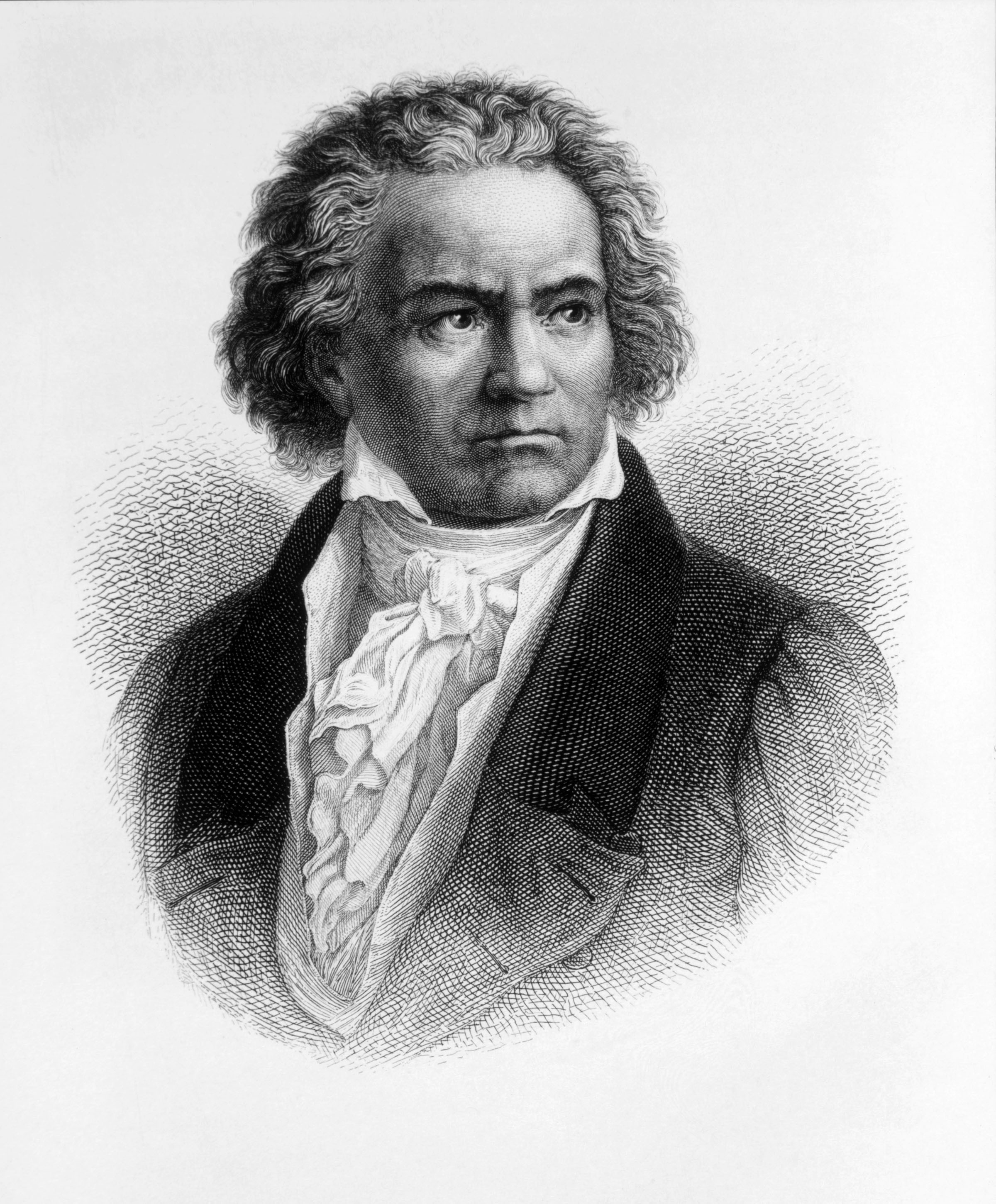
Beethoven created emotional storytelling by embracing quiet vs. loud, tension vs. release.
Ludwig van Beethoven: Emotion at Stadium Scale
Few composers cast a longer shadow than Ludwig van Beethoven. He transformed classical music from something elegant and restrained into something deeply personal and explosive. Beethoven leaned into contrast, quiet vs. loud, tension vs. release, and built entire pieces around emotional storytelling.
That approach feels incredibly modern. The idea that a song should build, explode, and resolve emotionally is now a core principle in rock, pop, and cinematic music. Even the concept of a recognizable musical “hook” owes something to Beethoven’s use of short, powerful motifs that evolve over time. The use of a main theme, a central melodic idea that recurs and develops throughout a piece, is a hallmark of Beethoven's style and has directly influenced how pop songwriters craft memorable choruses and hooks.
YouTube: Beethoven: Symphony No. 5, First movement (Benjamin Zander, Boston Philharmonic Orchestra) - posted by Boston Philharmonic
You can hear Beethoven’s influence in stadium-scale songwriting and film scoring. Hans Zimmer often constructs entire scores from evolving motifs in the same way Beethoven built symphonies. Meanwhile, artists like Coldplay and Muse regularly lean into classical-style dynamics, soft piano intros that swell into massive, orchestral climaxes. The second movement of Beethoven's symphonies, known for their lyrical and memorable melodies, have also been referenced or sampled in popular music, further demonstrating his impact.
A great modern example is “Exogenesis Symphony” by Muse, a three-part composition that openly channels Beethoven’s dramatic arc. Billy Joel is another artist who has incorporated Beethoven’s themes into pop music, notably drawing from the 'Pathetique Sonata' in his songwriting. Even outside explicit homages, you’ll hear Beethoven’s DNA in the emotional architecture of countless movie trailers and post-rock builds.
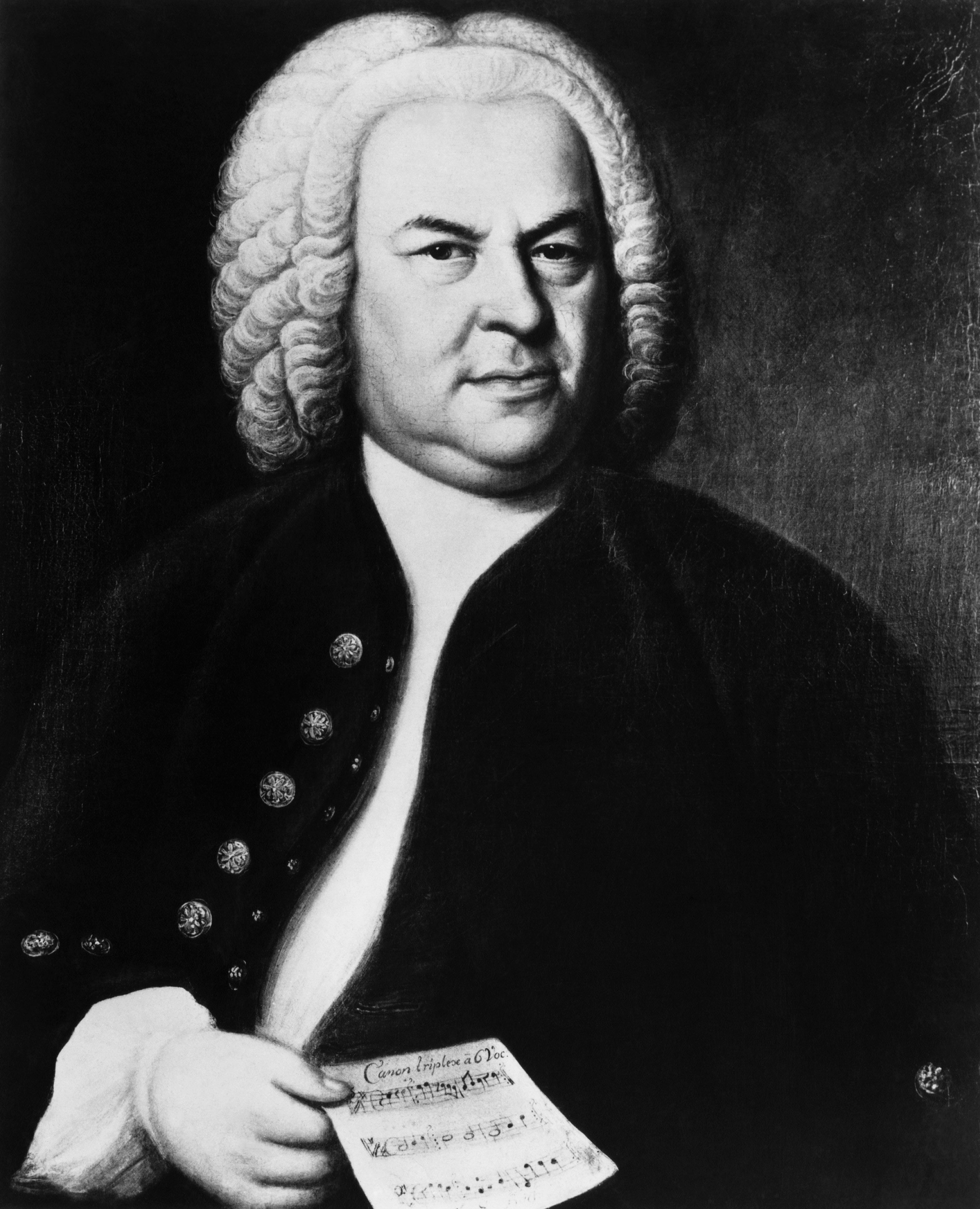
Bach's inventive use of motifs, counterpoint, and thematic development, continue to inspire modern musicians.
Johann Sebastian Bach: The DNA of Harmony
If Beethoven gave music emotional scale, Johann Sebastian Bach gave it structure. Bach’s work laid the foundation for Western harmony, the way chords move, resolve, and support melody. Many of the chord progressions that feel natural in modern pop trace their lineage back to harmonic ideas Bach refined. Bach’s musical ideas, his inventive use of motifs, counterpoint, and thematic development, continue to inspire modern musicians, shaping the way artists approach songwriting and album cohesion.
YouTube: Bach - The Art of Fugue BWV 1080 - Sato | Netherlands Bach Society - Posted by the Netherlands Bach Society
But Bach’s real superpower was counterpoint: the art of layering multiple melodies that interlock without clashing. That concept shows up everywhere today, from jazz improvisation to layered electronic production.
You can hear Bach’s influence clearly in jazz, where legends like John Coltrane studied Bach’s harmonic logic intensely. But it also shows up in modern pop and electronic music. Songs with intricate vocal stacking or interwoven instrumental lines often borrow directly from Bach-like thinking.
A great contemporary example is “Everything in Its Right Place” by Radiohead. The looping, layered harmonic movement feels almost Baroque in its structure. Even producers in lo-fi and ambient genres frequently build tracks around Bach-inspired chord cycles, translating harpsichord-era ideas into synth-driven soundscapes. Bach’s meticulous craftsmanship, originality, and genuine artistic intent are hallmarks of a good composer, setting a standard that continues to influence and inspire musicians across genres.
YouTube: Everything In Its Right Place posted by Radiohead
Wolfgang Amadeus Mozart: The Blueprint for Catchy Melodies
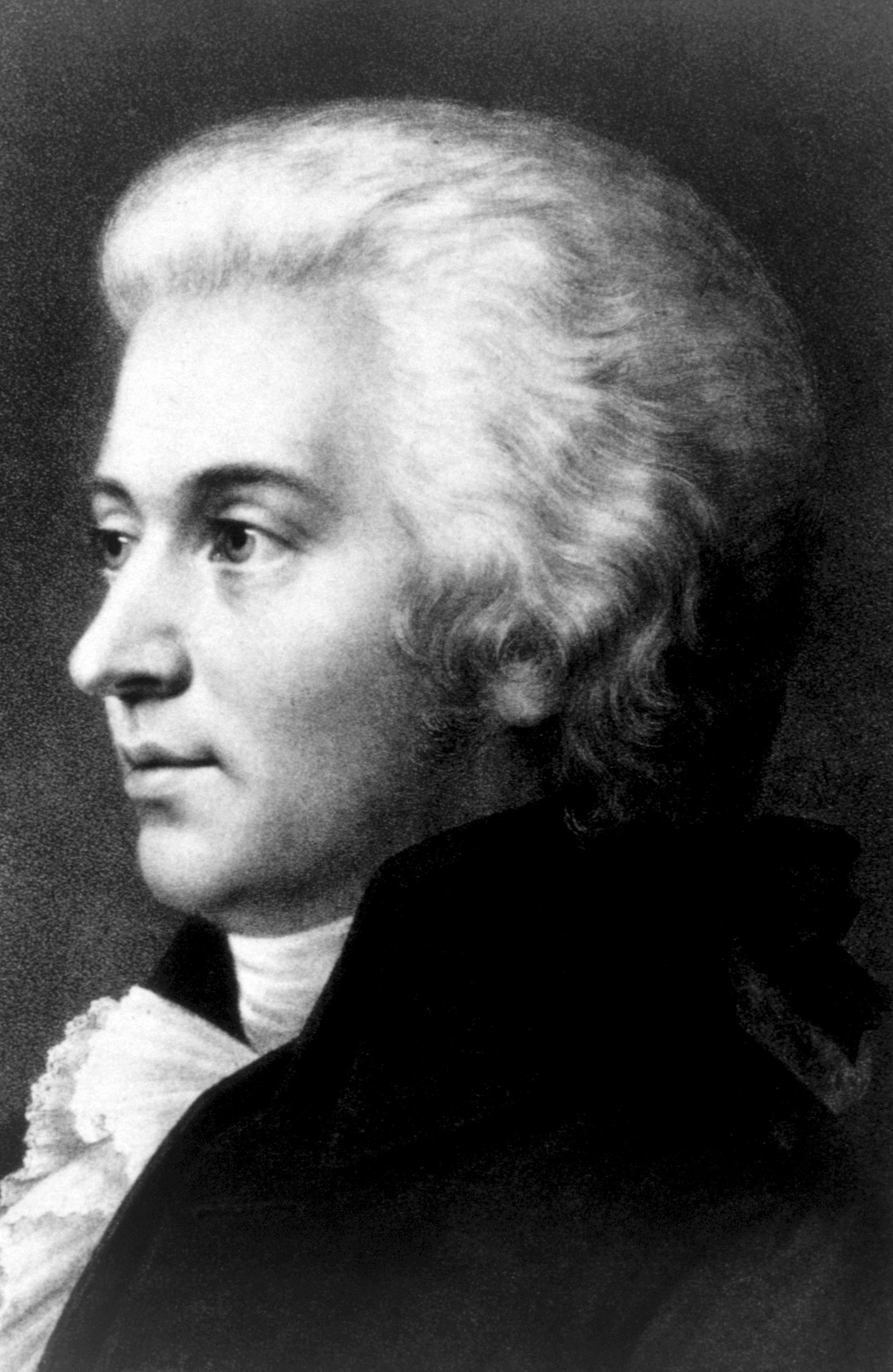
Mozart found a balance of simplicity and sophistication that still echoes through modern pop as well as film and game compositions today.
Wolfgang Amadeus Mozart had an almost supernatural gift for melody. As a central figure of the classical era, his music exemplifies the era’s defining characteristics: clarity, balance, and formal structure. His music is proof that sophistication and accessibility can coexist, something modern pop still strives for. Mozart wrote melodies that felt effortless but were incredibly refined under the hood.
That balance between simplicity and sophistication is one of the defining traits of great pop songwriting. A melody should feel instant, inevitable, and memorable, all hallmarks of Mozart’s style.
You can hear Mozart’s influence in artists who combine theatricality with pop accessibility. Freddie Mercury famously drew from classical traditions, especially in “Bohemian Rhapsody,” which blends operatic structure with rock, a good example of classical influence in pop music. Modern artists like Lady Gaga also channel that same dramatic-meets-catchy sensibility, particularly in piano-driven ballads.
YouTube: Queen – Bohemian Rhapsody (Official Video Remastered) - posted by Queen Official
Film and game composers frequently lean into Mozart-like melodic clarity as well. Memorable themes, the kind you can hum after one listen, often rely on the same principles Mozart mastered centuries ago.
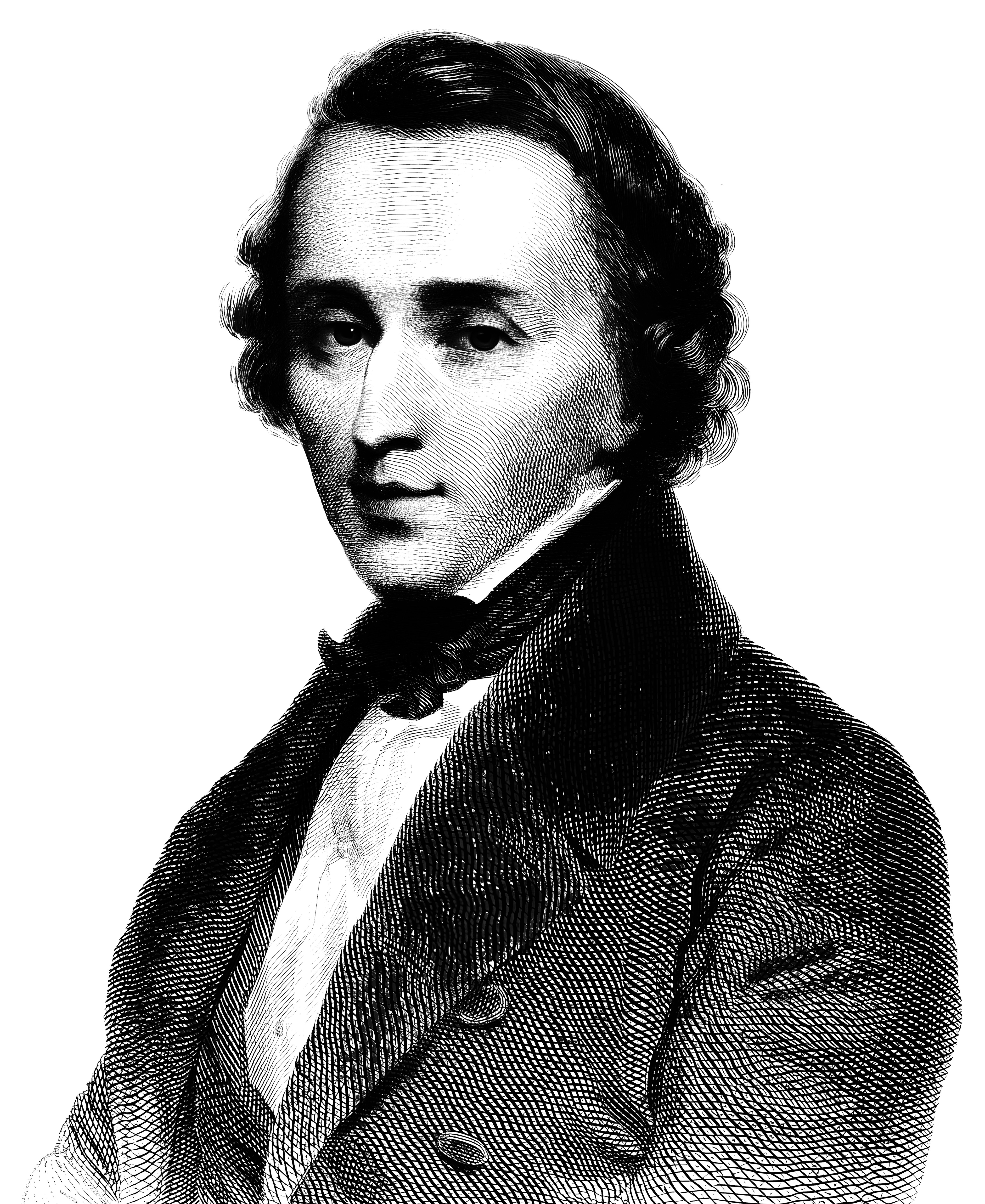
Chopin created deeply personal piano compositions that continue to influence modern pop music.
Frédéric Chopin: The Sound of Intimacy
If Beethoven represents grandeur, Frédéric Chopin represents intimacy. Chopin redefined piano music as something deeply personal and emotionally nuanced, evolving his style from previous eras to create pieces that often feel like private confessions rather than public performances.
That inward, emotional quality has had a massive impact on modern music, especially in piano-led genres. The entire lineage of singer-songwriter piano ballads, from Elton John to indie bedroom pop, owes something to Chopin’s expressive approach, inspiring those who write music today to prioritize emotional connection and storytelling.
You can hear Chopin’s influence clearly in modern minimalist and emotional piano music. Composers like Ludovico Einaudi build entire careers around Chopin-esque intimacy. Meanwhile, artists like Billie Eilish often use sparse piano arrangements that echo Chopin’s emotional restraint.
Even outside traditional piano music, Chopin’s fingerprints show up in lo-fi hip-hop and ambient playlists. The slightly wistful harmonies and rubato-style timing common in those genres feel like direct descendants of Romantic-era piano writing.
A surprising modern example is “River Flows in You” by Yiruma, a piece that went viral globally and essentially functions as a modern Chopin-style nocturne for the streaming era.

Igor Stravinsky used rhythm to unpredictably accent and define his unique brand of classical composition.
Igor Stravinsky: The Godfather of Musical Disruption
If any classical composer feels truly ahead of his time, it’s Igor Stravinsky. His music shattered expectations around rhythm, tonality, and structure. When his ballet The Rite of Spring premiered in 1913, audiences were so shocked by its jagged rhythms and dissonance that it reportedly caused a riot. Stravinsky's approach paved the way for what is now called 'new music,' which continues to challenge traditional aesthetics and push the boundaries of contemporary composition.
YouTube: Stravinsky The Rite of Spring // London Symphony Orchestra/Sir Simon Rattle - Posted by the London Symphony Orchestra
That willingness to break the rules feels incredibly modern. Stravinsky treated rhythm like a weapon, using unpredictable accents and shifting time signatures, techniques that now define experimental and genre-bending music. In a similar vein, other experimental musicians have drawn on classical disruption to reshape the sound of new genres.
You can hear Stravinsky’s legacy in artists who embrace rhythmic chaos and unconventional structure. Aphex Twin channels similar unpredictability in IDM and experimental electronic music. Kanye West has also drawn from classical maximalism, especially in orchestral hip-hop moments like “Power,” which layers dramatic instrumentation in a very Stravinsky-esque way. Pink Floyd, in a similar vein, integrated classical music elements into their progressive rock style, particularly in their studio albums and concept works.
Modern film scores lean heavily on Stravinsky too. Many tension-heavy soundtracks, especially in horror and sci-fi, borrow his aggressive orchestration and rhythmic instability.
Where Classical Meets Modern Pop (More Examples)
Classical influence isn’t just theoretical, it’s audible in plenty of well-known modern tracks. The 20th century marked a significant shift in the relationship between classical and pop music, as composers and artists began to blend classical elements with popular genres, reflecting changes in musical tastes and business models.
“Bittersweet Symphony” by The Verve famously builds around an orchestral sample rooted in symphonic tradition, bringing classical string grandeur into Britpop. “All by Myself” by Eric Carmen directly borrows from Rachmaninoff, showing how Romantic piano themes can translate seamlessly into pop ballads.
YouTube: The Verve - Bittersweet Symphony (Official Music Video) - posted by The Verve
In hip-hop, artists frequently sample or reinterpret classical material. Nas and others have used orchestral textures to add weight and drama, while producers like Dr. Dre have long layered symphonic elements into modern beats.
YouTube: "One Love" with the National Symphony Orchestra | Nas Live From the Kennedy Center - posted by Great Performances - PBS
Even EDM has embraced classical structure. Tracks that build slowly toward massive drops often mirror symphonic crescendos, essentially Beethoven-style tension and release translated into festival-ready form.
Why Classical Influence Still Matters
So why does music written hundreds of years ago still shape what we hear today?
Because classical composers weren’t just writing songs, they were inventing musical tools. Harmony, motif development, orchestration, emotional pacing, these are the building blocks every modern songwriter and producer still uses, whether they realize it or not.
Understanding classical influence doesn’t make music feel old. It makes it feel connected. The same emotional tricks that moved audiences in candlelit halls are now moving listeners through headphones and TikTok feeds.
The Takeaway
Modern popular music didn’t appear out of nowhere. It evolved and classical composers built the foundation.
Beethoven expanded emotional scale.
Bach defined harmonic logic.
Mozart perfected melody.
Chopin gave us intimacy.
Stravinsky proved that breaking rules can redefine music itself.
Whether you’re writing songs, producing tracks, or building AI music tools, these influences are more than history, they’re creative fuel. The past isn’t separate from modern music, it’s embedded in it.
Get started, free.
Streamline your vocal production workflow with studio-quality AI audio tools