

Do Bloco para o Mundo: A História da Música Hip Hop
Explore a história do hip hop desde suas raízes no Bronx até seu surgimento como uma força cultural global. Descubra artistas-chave, eras icônicas e movimentos que definem o gênero e que moldaram a música hip hop nas últimas cinco décadas.
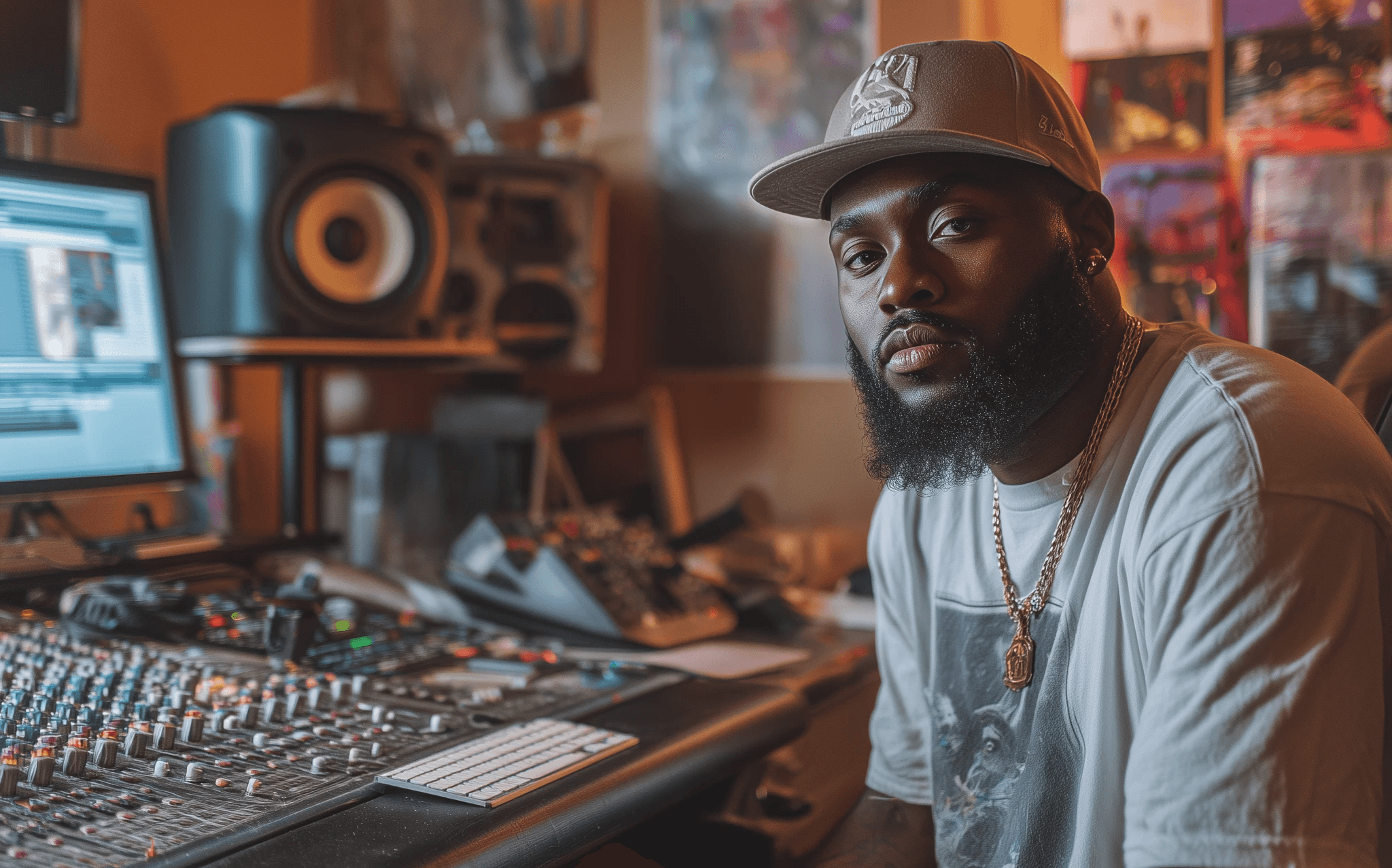
O hip hop é mais do que um gênero. É uma cultura, um movimento, uma estratégia de sobrevivência e uma das forças criativas mais poderosas dos últimos cinquenta anos. O que começou com dois toca-discos e um microfone no Bronx cresceu e se tornou um idioma global falado através de batidas, rimas, dança, moda e atitude. O hip hop começou em bairros densamente habitados por afro-americanos, porto-riquenhos e imigrantes caribenhos, que moldaram seus primeiros sons e estilos.
O hip hop não veio de conservatórios ou de estúdios de milhões de dólares. Veio de prédios de apartamentos, parquinhos, festas de rua e de comunidades que eram frequentemente ignoradas, mas nunca silenciadas. Essas festas de rua ofereceram uma válvula de escape positiva para os jovens, canalizando a energia para fora da cultura das gangues e direcionando-a para a música e a dança. Ele foi construído por pessoas que transformaram recursos limitados em criatividade ilimitada.
Compreender como o hip hop começou é compreender como a música responde ao seu ambiente. Então, vamos voltar a fita e colocar a agulha no início de tudo.
O nascimento do hip hop é frequentemente associado a um evento crucial: a festa de volta às aulas em 11 de agosto de 1973, na Sedgwick Avenue, no Bronx, atualmente reconhecida como o "Nascimento do Hip-Hop" e um marco na história da música.
Introdução à Cultura Hip Hop: Definição e Evolução
A cultura hip hop é mais do que apenas um som — é um movimento cultural dinâmico que começou a tomar forma no início dos anos 1970 na cidade de Nova York, especialmente no Bronx. Nascida da criatividade e da resiliência dos jovens urbanos, a cultura hip hop tornou-se rapidamente uma forma poderosa de autoexpressão e um meio de comunicar as realidades da vida nas periferias. Em sua essência, o hip hop trata de contar histórias — por meio da música, da dança, das artes visuais e até da moda.
YouTube: Anos 70 & Começos (Sugarhill, Grandmaster, Kurtis Blow +) 50 anos de Hip Hop em quase 500 faixas pela BBC Radio 1Xtra
Embora o termo “hip hop” se refira a todo o movimento cultural, o “rap” é o gênero musical que surgiu dele, definido por falas rítmicas, jogos de palavras inteligentes e batidas contagiantes. Mas a cultura hip hop é muito maior do que apenas a música rap. Ela inclui o breakdance, o grafite, a arte dos DJs e um estilo único que influenciou a música popular e a moda em todo o mundo.
Ao longo das décadas, o hip hop evoluiu de um fenômeno underground para uma força global, moldando desde manifestações artísticas e gêneros musicais até a maneira como as pessoas se vestem e falam. O que começou nos parques e nas ruas de Nova York tornou-se uma linguagem mundial para criatividade, resistência e inovação.
O Bronx nos Anos 1970: Onde o Hip Hop Nasceu
O hip hop nasceu no South Bronx no início dos anos 1970, um lugar marcado pelo declínio econômico, pela exclusão imobiliária institucional (redlining) e por uma infraestrutura negligenciada. Prédios estavam desmoronando, o financiamento público estava desaparecendo e bairros inteiros foram desvalorizados. Mas a criatividade prospera sob pressão. Os primeiros anos do hip hop foram marcados pela inovação e por um forte senso de comunidade, à medida que os jovens se uniam para criar algo novo a partir do ambiente à sua volta.
As festas de rua tornaram-se o coração da comunidade. Os DJs carregavam alto-falantes enormes para parques e centros comunitários, puxando energia dos postes de luz. Esses não eram eventos exclusivos. Qualquer um podia aparecer. Todos podiam dançar com os b-boys e b-girls — os dançarinos originais de break — exibindo seus passos e animando a multidão.
Destaque de Artista: DJ Kool Herc
Frequentemente creditado como o pai do hip hop, DJ Kool Herc introduziu uma ideia revolucionária: estender o "break" instrumental em discos de funk e soul. Inspirado na cultura sound system jamaicana, Herc repetia esses trechos focados na bateria para fazer os dançarinos continuarem na pista por mais tempo. Essa técnica deu origem ao breakdance e remodelou a forma como os DJs pensavam sobre o ritmo.
Ao lado do DJ, surgiu o MC. Originalmente, os MCs existiam para animar o público e apoiar o DJ. Com o tempo, esses gritos ritmados evoluíram para rimas estruturadas, trocadilhos e, eventualmente, versos completos que contavam histórias.
Essa era solidificou os quatro pilares da cultura hip hop:
DJing (A arte dos DJs)
MCing (A arte dos MCs)
Breakdancing
Grafite
A música era apenas uma parte de uma expressão cultural muito mais ampla.
Da Festa para o Disco: O Hip Hop Começa a Estrear nas Gravações
Por anos, o hip hop existiu quase que inteiramente em tempo real. Ele foi feito para ser vivido ao vivo, não prensado em vinil. A transição para a música gravada permitiu ao hip hop alcançar novos públicos além das festas locais e dos clubes, preparando o terreno para sua influência mais ampla.
Quando o grupo Sugarhill Gang lançou "Rapper's Delight", o primeiro single de hip hop de sucesso comercial, de repente, as gravadoras começaram a prestar atenção no movimento, vislumbrando seu potencial de levar o hip hop ao grande público. Essa transição marcou um divisor de águas para o gênero do hip hop, com artistas começando a lançar álbuns de estreia e singles que alcançavam ouvintes em todo o país.
YouTube: The Sugarhill Gang - Rapper's Delight (Official Video) pela Sugarhill Records
Essa mudança marcou o início da jornada do gênero em direção ao sucesso comercial, apresentando o hip hop a uma audiência nacional.
Destaque de Artista: The Sugarhill Gang
“Rapper’s Delight”, um single histórico do grupo The Sugarhill Gang, tornou-se a primeira música de rap a alcançar o grande público. O álbum de estreia do Sugarhill Gang ajudou ainda mais a solidificar o lugar do rap na música popular, marcando um feito significativo na história do hip hop. Embora tenha gerado debates sobre autenticidade e autoria, o single também introduziu milhões de ouvintes ao rap pela primeira vez.
Uma vez que o hip hop chegou às rádios, não havia mais volta. As gravadoras prestaram atenção. Os estúdios se envolveram. A cultura começou sua transformação de movimento local para fenômeno nacional.
Os Anos 1980: Estilo, Identidade e Inovação
Os anos 1980 foram um divisor de águas. O hip hop expandiu-se além do Bronx, espalhando-se por toda a cidade de Nova York e por outras regiões. Os artistas começaram a definir identidades e sonoridades próprias. O estilo musical do hip hop diversificou-se durante essa era, incorporando novas influências, técnicas e variações regionais que moldaram a evolução do gênero.
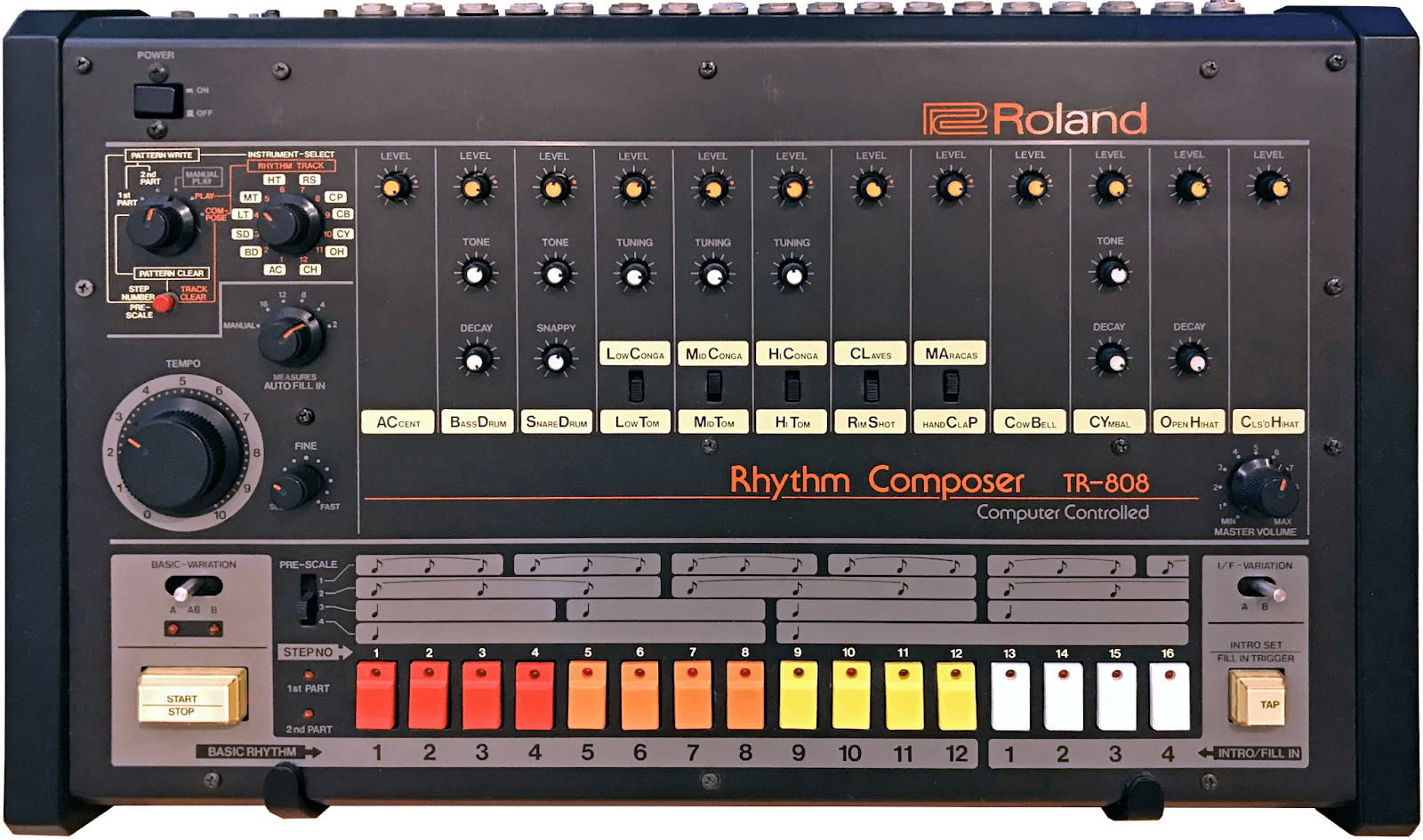
A bateria eletrônica Roland TR-808 foi um equipamento revolucionário, com um som que se tornou a assinatura das batidas de hip hop dos anos 80 e que ainda é amplamente utilizado hoje.
A tecnologia desempenhou um papel fundamental. Baterias eletrônicas como a Roland TR-808 e samplers como o SP-1200 permitiram que os produtores criassem batidas sem bandas ao vivo. Isso levou a batidas de bateria mais secas, graves mais profundos e texturas mais experimentais. A faixa "Planet Rock", de Afrika Bambaataa, foi fundamental ao fundir o hip hop com a música eletrônica, popularizando os sons do electro e influenciando a difusão global do gênero.
YouTube: Afrika Bambaataa & The Soulsonic Force - Planet Rock (Official Music Video) [HD] pela Tommy Boy
A identidade e a moda tornaram-se centrais, com o surgimento de um estilo marcante de hip hop no vestuário e no comportamento. A dança hip hop, incluindo o breakdance, o locking e o trabalho de chão, ganhou destaque e influenciou a cultura pop no mundo todo.
O grafite permaneceu como um elemento vital, com guerras de estilos estimulando a competição entre artistas e o surgimento do "wild style" como uma técnica de grafite altamente complexa, colorida e improvisada. Esses movimentos e técnicas expandiram as barreiras da expressão urbana.
Essa era também viu o crescimento de rappers femininas, como Queen Latifah e Funky 4 + 1, que trouxeram valiosas contribuições e ajudaram a moldar a diversidade do gênero. À medida que os MCs evoluíam, rappers da velha escola e da nova escola, como LL Cool J e Kool Moe Dee, despontaram, impulsionando a inovação, o sucesso comercial e um novo rumo para o hip hop.
Destaques de Artistas de Hip Hop dos Anos 1980
Grandmaster Flash – Aperfeiçoou técnicas de DJ como scratching e mixagem rápida
Run-DMC – Batidas despojadas, ritmo assertivo e moda urbana
LL Cool J – Equilibrou agressividade com vulnerabilidade e carisma
Public Enemy – Letras politizadas sobrepostas a uma produção densa e urgente
O hip hop durante essa era já não era mais apenas música de festa. Tornou-se uma plataforma para identidade, protesto e contação de histórias.
Breve Resumo dos Gêneros: Primeiros Estilos de Hip Hop
Old School Hip Hop (Hip Hop da Velha Guarda): Padrões simples de bateria, rimas divertidas, foco na energia das festas e o uso de cantos de chamada e resposta para energizar a plateia. Os dançarinos de break, incluindo b-boys e b-girls, desempenharam um papel fundamental na formação do cenário inicial do hip hop, trazendo movimentos dinâmicos e batalhas de dança para o centro do gênero. Artistas: Sugarhill Gang, Kurtis Blow
Political Rap (Rap Político): Crítica social, ativismo e lirismo confrontador, com as letras de hip hop servindo como ferramentas poderosas para transmitir mensagens sobre questões da sociedade. Artistas: Public Enemy, Boogie Down Productions
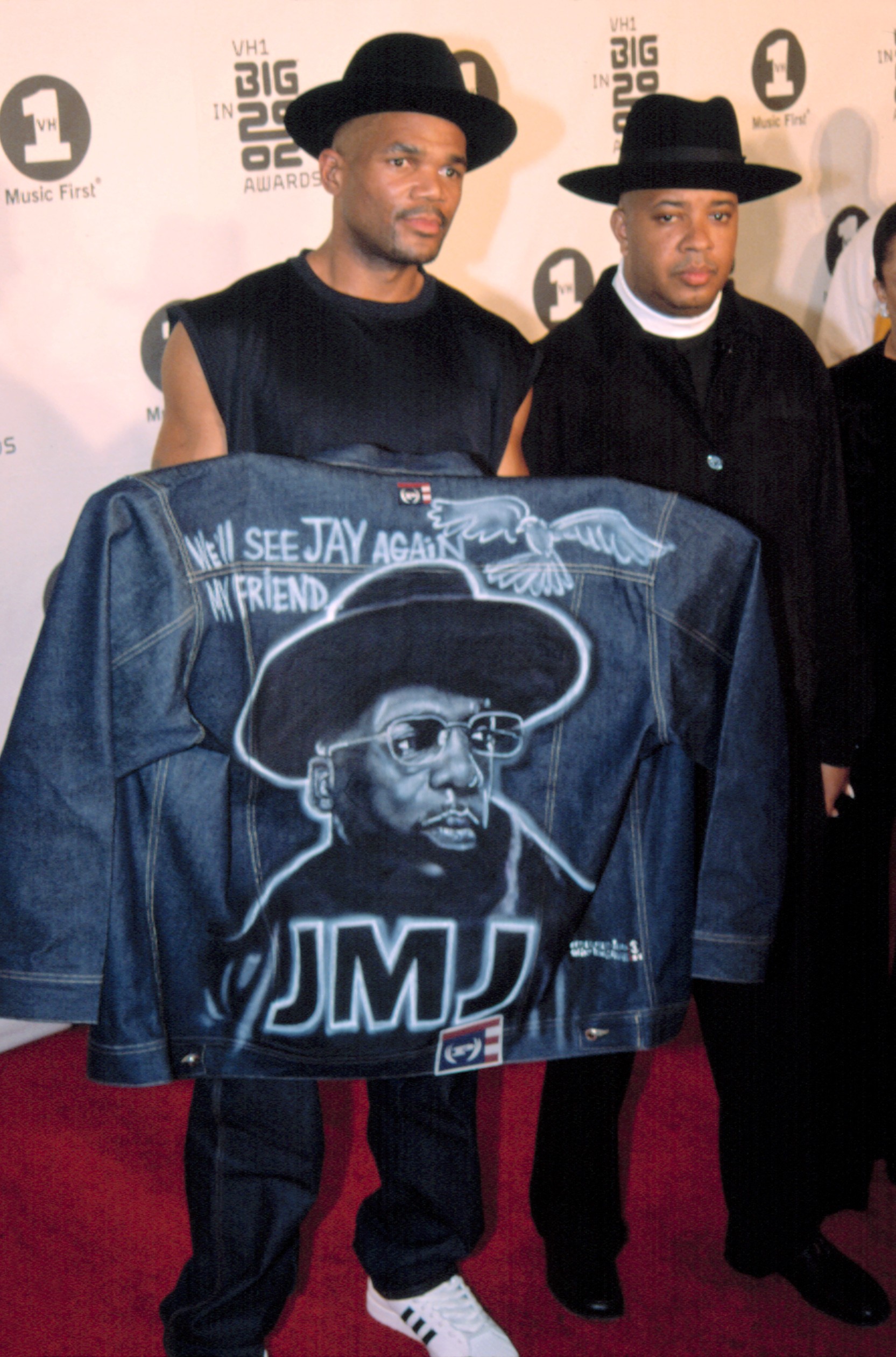
Run DMC trouxe para a sua música a experiência da vida nos conjuntos habitacionais.
Street Rap (Rap de Rua): Narrativas realistas sobre vivências cotidianas e sobrevivência. Artistas: Run-DMC, fase inicial de Ice-T
Até a década de 1980, o hip hop soava em grande parte como música de festa de rua — impulsionado por trechos instrumentais de bateria, técnicas de toca-discos e MCs comandando o público com ritmo e carisma. Mas à medida que a cultura se espalhou além do Bronx e entrou em estúdios, estações de rádio e novas cidades, começaram a surgir sonoridades e interpretações diferentes. Os produtores experimentavam baterias eletrônicas mais pesadas, samplers mais densos e ritmos mais incisivos, enquanto os artistas ampliavam as barreiras das letras além dos cantos festivos, partindo para a contação de histórias, política e o realismo das ruas. Essas evoluções abriram caminho para a próxima era do hip hop, onde o gênero amadureceria sua identidade, ampliaria seu público e iniciaria sua transformação em uma força global.
Surge o West Coast: Uma Nova Perspectiva
No final dos anos 1980, o hip hop já não estava restrito à Costa Leste. O hip hop da Costa Oeste surgiu como um estilo regional diferente, moldado por outras realidades sociais.
Os artistas de Los Angeles retratavam a vida sob policiamento ostensivo, desigualdade sistêmica e tensão urbana. Suas músicas eram diretas, cruas e amiúde controversas, com temas líricos profundamente influenciados pela cultura das gangues. O álbum inovador do N.W.A., Straight Outta Compton, marcou um divisor de águas ao estabelecer Los Angeles como o polo principal do "gangsta rap" e provocar discussões nacionais. As gravadoras desempenharam um papel crucial na divulgação dos artistas da Costa Oeste, ajudando a cena a obter sucesso comercial e apresentando seu som e histórias peculiares a um público mais amplo.
Destaques de Artistas de Hip Hop da Costa Oeste
N.W.A – Retratos sem filtro da vida urbana que forçaram discussões desafiadoras
Ice-T – Pioneiro nas narrativas das ruas da Costa Oeste
Dr. Dre – Produtor que ajudou a criar o som da Costa Oeste. O estilo de produção de Dr. Dre apoiava-se fortemente no funk clássico, criando o subgênero conhecido como G-funk.
Breve Resumo dos Gêneros: Sons da Costa Oeste
Gangsta Rap
Uma contação de histórias direta e cinematográfica voltada para a vida nas ruas, poder e sobrevivência, muitas vezes expressa sob uma calma descontraída, mas intimidadora. Diferentemente das letras densas e das batidas de bateria encorpadas do boom-bap da Costa Leste, o gangsta rap da Costa Oeste preferia andamentos mais calmos, ritmos influenciados pelo funk e um senso de espaço amplo e limpo na produção. O som soava ensolarado e agressivo simultaneamente, apresentando narrativas que pareciam documentários urbanos reais em vez de exibições líricas rápidas.
Artistas: N.W.A, Ice-T, Tupac Shakur
G-Funk
Sintetizadores suaves e agudos, linhas de baixo flexíveis e levadas tranquilas inspiradas no funk dos anos 1970, especialmente em Parliament-Funkadelic. Ao contrário dos samples rípidos e dos compassos recortados que definiam o hip hop da Costa Leste, o G-funk enfatizava a melodia, o polimento e o balanço, criando uma sonoridade descontraída e ao mesmo tempo tensa. Essa transição para uma produção exuberante focada no funk ajudou a inserir o hip hop da Costa Oeste no cenário comercial, proporcionando uma identidade de áudio marcante que soava mais quente, melódica e imediatamente reconhecível.
Artistas: Dr. Dre, Snoop Dogg, Warren G
A Era de Ouro: Criatividade Sem Limites
O período que vai do início ao meado dos anos 1990 é muitas vezes chamado de era de ouro do hip hop. Esse período caracterizou-se pelo amadurecimento das letras de hip hop, com artistas introduzindo temas mais complexos, politizados e socialmente engajados. A inovação das letras, produções experimentais e uma ampla diversidade de estilos coexistiram, tornando essa fase essencial para expandir o hip hop a novos públicos.
YouTube: A Era de Ouro do Hip-Hop: Anos 90, Costa Oeste vs Costa Leste | Billboard News publicado por Billboard
As gravadoras, em especial as independentes, prosperaram e assumiram um papel importante no suporte e divulgação de novos talentos. As rádios universitárias integraram artistas underground. Produtores recortavam trechos sonoros em colagens detalhadas, ao mesmo tempo em que os MCs elevavam a rima a novos patamares. Essa era também observou o hip hop conquistar sucesso comercial massivo, integrando-se à cultura popular e obtendo destaque no comércio tradicional.
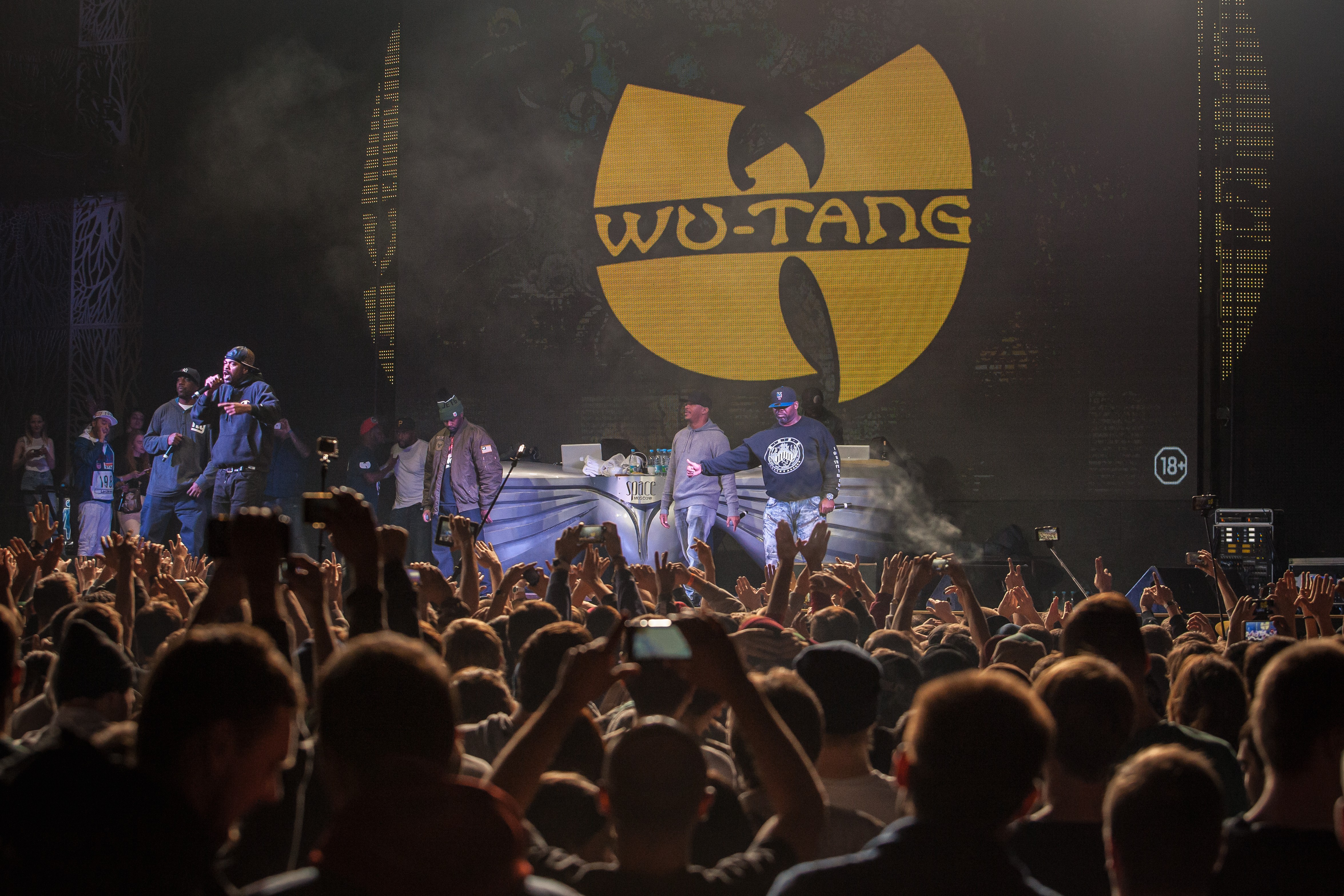
Um supergrupo de rap moderno, Wu-Tang Clan é conhecido pelo seu hip hop cru e de alta energia.
Destaques de Artistas
A Tribe Called Quest – Batidas com forte influência do jazz e letras reflexivas
Wu-Tang Clan – Produção crua, energia intensa e um modelo de grupo revolucionário
Nas – Relatos vívidos e realismo lírico
The Notorious B.I.G. – Fluxo vocal e performance suave combinados com narrativas afiadas
Esse período também registrou uma concorrência feroz, culminando na rivalidade histórica entre a Costa Leste e a Costa Oeste. As trágicas mortes de Tupac Shakur e The Notorious B.I.G. marcaram um período sombrio que redefiniu a cena.
Breve Resumo dos Gêneros: Hip Hop da Era de Ouro
Boom Bap
Bateria marcante, loops de samples, foco lírico na produção.
Artistas: Nas, Gang Starr, Wu-Tang Clan
Jazz Rap
Ritmos calmos, samples de jazz, temas politizados e conscientes.
Artistas: A Tribe Called Quest, De La Soul
Hardcore Hip Hop
Ritmos expressivos, batidas ásperas, emoção nua e crua.
Artistas: Wu-Tang Clan, Mobb Deep
Final dos Anos 1990 e Anos 2000: O Hip Hop Torna-se Global
No final dos anos 1990, o hip hop já havia entrado completamente no mercado convencional de massas. Artistas de rap lideravam listas de mais vendidos, ganhavam prêmios e tornavam-se ícones internacionais. O hip hop seguiu evoluindo e expandindo-se mundialmente ao longo deste período, diversificando-se em estilo e alcance.
A produção musical tornou-se mais apurada. Videoclipes transformaram-se em produções cinematográficas. A moda do hip hop influenciou o streetwear, grifes de luxo e a cultura pop de maneira geral. O surgimento do rap sulista (Southern rap) como vertente regional, fundamentado em cidades como Atlanta, Memphis e Nova Orleans, trouxe novas musicalidades e talentos para o cenário nacional. O Miami bass, subgênero do sul dos EUA originário da Flórida, exerceu papel essencial em dar forma ao cenário das músicas de pista, estimulando a fundação do Southern hip hop.
Destaques de Artistas
Jay-Z – Lirismo voltado aos negócios e liderança cultural
Eminem – Excelência técnica e narrativa movida por forte carga dramática
Missy Elliott – Produções futuristas e identidade visual ousada
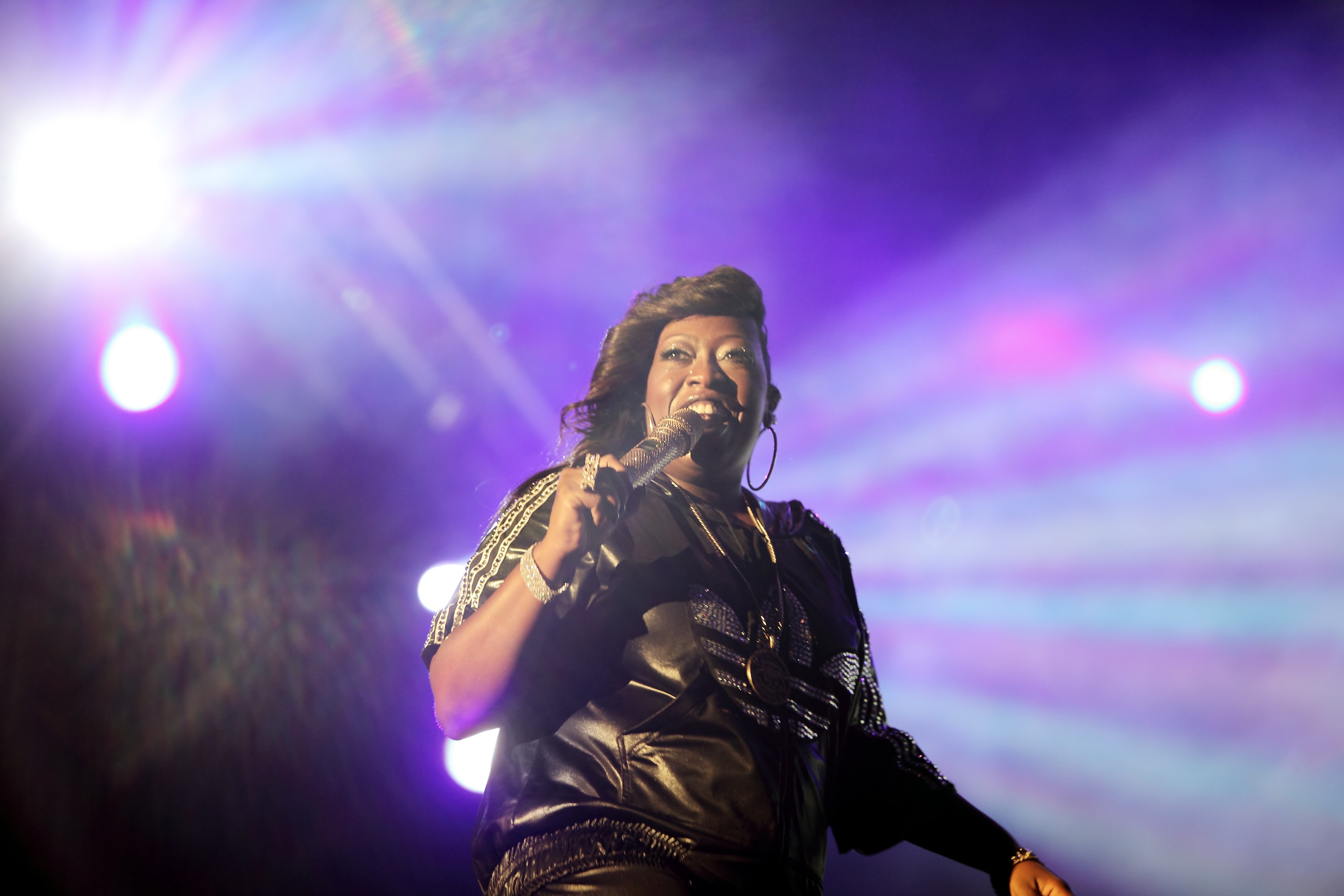
Missy Elliot é conhecida por inovar a partir de sua produção musical de caráter experimental.
Breve Resumo dos Gêneros: Southern Hip Hop (Hip Hop do Sul)
Entre o final dos anos 90 e a década de 2000, o centro de gravidade do hip hop começou a mover-se além dos canais clássicos das Costas Leste e Oeste. Cidades como Atlanta, Houston, Memphis e Nova Orleans geraram círculos locais, ritmos e gírias originais — muitas vezes desvinculados das grandes marcas ou das orientações costeiras. Diferentemente das heranças centradas em samples e foco lírico característicos da Costa Leste ou da sonoridade refinada pelo funk da Costa Oeste, o Southern hip hop destacava-se pela ênfase nos graves na produção, pelo clima festivo dos clubes e pela autenticidade regional. Esse período demarcou a ascensão do Sul de uma condição marginal para a liderança cultural, estabelecendo o padrão que definiria o som do hip hop de massa pelas gerações seguintes.
Dirty South
Produção robusta em graves, andamentos vigorosos e gírias marcadamente locais desenharam a identidade inicial da sonoridade sulista. Distanciando-se do compasso rígido do hip hop da Costa Leste, os temas do Dirty South pareciam mais flexíveis e swingados, focando mais na atmosfera e na atitude do que no preciosismo técnico. O som espelhava a realidade local — sistemas de som automotivo, clubes noturnos, patriotismo local — inserindo uma métrica original e presença cênica diferentes daquelas consagradas nas duas costas.
Artistas: OutKast, Ludacris
Crunk
Surgindo nos primeiros anos da década de 2000, o crunk foi elaborado para gerar a máxima energia de envolvimento do público. Vocais gritados, batidas fortes e refrões simples e repetitivos direcionavam o foco não à sofisticação lírica, mas ao ritmo acelerado. Diferente das expressões estéticas anteriores do hip hop que davam relevo a crônicas ou trocadilhos complexos, o crunk operava sob o molde de apelo e resposta, talhado perfeitamente para animar ambientes de danceterias, bailes e eventos massivos.
Artistas: Lil Jon, Ying Yang Twins
Trap
Desenvolvendo-se entre o começo e meados dos anos 2000, com epicentro destacado em Atlanta, a música trap traduzia os contornos ásperos e sombrios da vivência periférica. Definida por arranjos tensos, graves dominantes de baterias eletrônicas 808 e bumbos rápidos, o trap afastava-se substancialmente do boom-bap nova-iorquino e do funk da Costa Oeste. Sua arquitetura de estúdio limpa e incisiva, aliada a crônicas viscerais sobre as ruas, redirecionaria os rumos do hip hop contemporâneo, repercutindo fortemente no pop, no cenário eletrônico mundial e nos circuitos sonoros globais muito além das franjas sulistas.
Artistas: T.I., Gucci Mane, Young Jeezy
A Era da Internet: Um Novo Livro de Regras
A consolidação da internet reformulou por completo a dinâmica de funcionamento do hip hop. Mixtapes propagaram-se de maneira digital. Canais de comunicação em redes sociais contornaram os canais de distribuição tradicionais. Artistas puderam cultivar bases engajadas de fiéis sem o suporte das principais corporações fonográficas.
Estilos começaram a fundir-se com velocidade inédita. A linha entre interpretar melodias e recitar rimas estreitou-se. Histórias de alta sensibilidade emotiva expuseram-se publicamente com maior franqueza.
Destacado por seu formato acessível de composição, Drake leva suas apresentações de hip hop a grandes arenas globais.
Destaques de Artistas de Hip Hop Contemporâneo
Kanye West – Fusão de escolas estéticas em estúdio e confissões pessoais intensas
Drake – Exposição mental íntima aliada à facilidade melódica do pop comercial
Lil Wayne – Controle do mercado das fitas independentes (mixtapes) e arranjos líricos engenhosos
Breve Resumo dos Gêneros: Vertentes Contemporâneas do Hip Hop
Emo Rap
Honestidade interior, cantos melódicos e narrativas introspectivas.
Artistas: Juice WRLD, XXXTENTACION
Drill
Tons musicais fechados, vocal áspero e crônicas urbanas realistas.
Artistas: Chief Keef, Pop Smoke
Lo-Fi Hip Hop
Ritmos suaves e relaxantes, pouca presença vocal e arranjos carregados de ambiência acústica.
Artistas: Foco na produção de criadores diversos no lugar de MCs clássicos
Tecnologia e Hip Hop: Alterando a Batida
Desde as etapas iniciais de sua criação, o hip hop é transformado pelas inovações tecnológicas. A expansão histórica do movimento caminha intrinsecamente conectada com as ferramentas que criadores e DJs de hip hop operavam na busca de novas estéticas acústicas e na abertura de horizontes artísticos. A introdução da bateria eletrônica — com ênfase no icônico dispositivo Roland TR-808 — imprimiu no hip hop sua marca sonora característica com graves contínuos e métricas digitais ajustáveis. Entre o término da década de 1980 e abertura da de 1990, samplers lendários como o modelo E-mu SP-1200 viraram o centro gravitacional do hip hop originado em Nova York, combinando sua captação de 12 bits crua, armazenamento de memória restrito e programadores vigorosos de ritmo, o que exigiu inventividade dos produtores à época.
Essas restrições técnicas no fluxo operacional destravavam compassos cortados de bateria, loops marcantes e um tipo de produção estruturada em loops que definiu a fase fundamental do hip hop, oferecendo aos beatmakers domínios sem precedentes sobre dinâmicas rítmicas e texturas. Mediante o emprego de samplers e, posteriormente, de programas digitais de gravação (DAWs), produtores podiam fatiar, costurar e reorganizar registros, hibridizando a estrutura do hip hop com referências nobres do jazz, funk e soul.
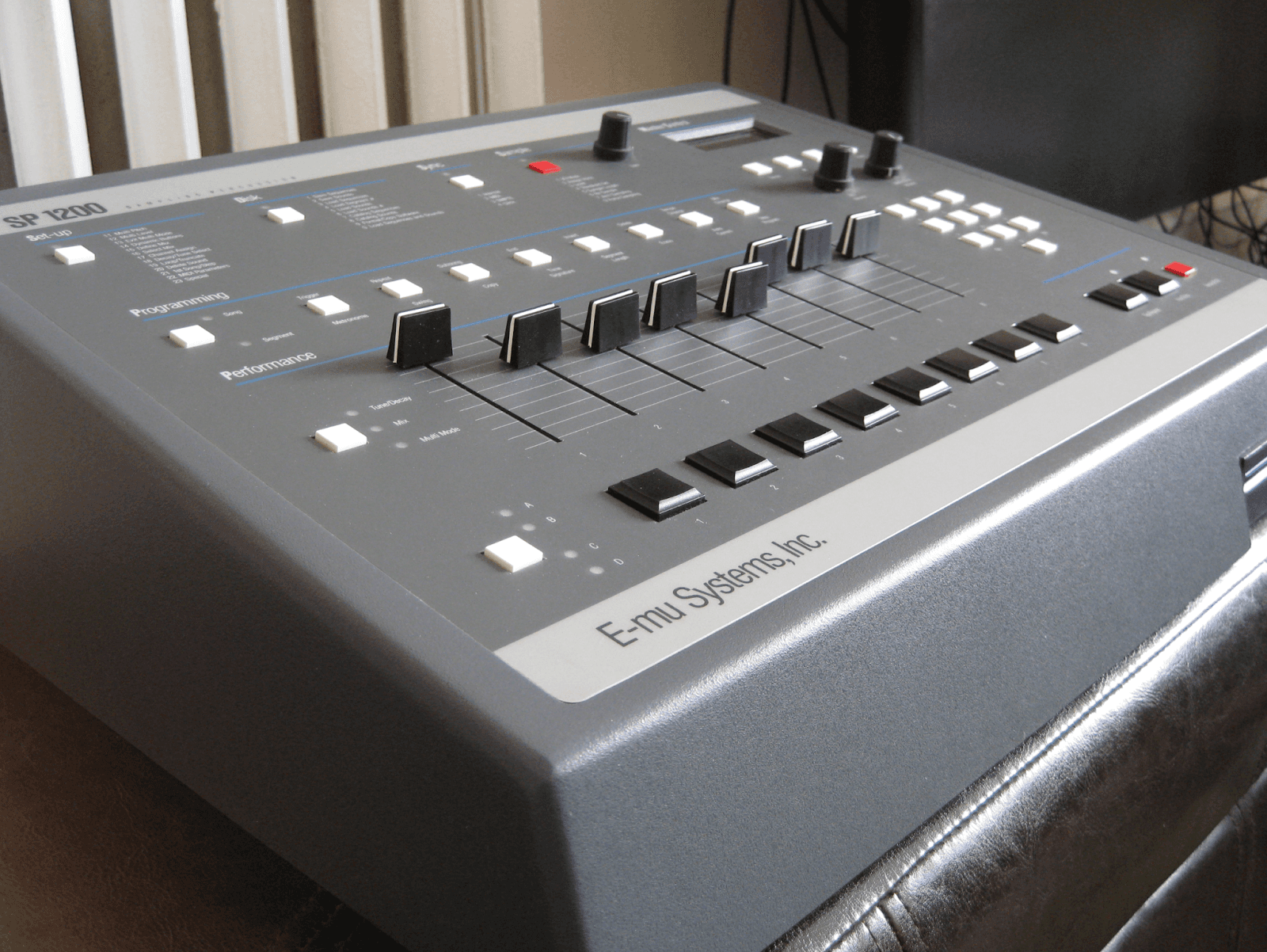
O aparelho E-mu SP 1200 foi um dispositivo tecnológico crucial na germinação estilística do hip hop.
A tecnologia dos samplers permitiu que novos nomes fizessem homenagens respeitosas às heranças de arquivos sonoros históricos enquanto formulavam estéticas inéditas. DJs do porte de Grandmaster Flash e DJ Kool Herc fincaram bases pioneiras, manipulando toca-discos e aparelhos mixers para criar loops, variações rítmicas de arranhados (scratch) e transições que seriam as marcas definidoras do início do movimento. Ao passo que a engenharia tecnológica avançou, o cardápio de possibilidades também se elevou: as mídias online e canais em redes digitais facilitaram as pontes para que jovens mostrassem seus trabalhos, interagissem intimamente com admiradores e entrassem ativamente na indústria, dispensando os antigos selos hegemônicos.
No interior do hip hop, testar novos limites é a regra de ouro do jogo — e o motor tecnológico atuou continuamente de propulsor desse ritmo adiante.
A Força Social do Hip Hop: Repercussão e Significado na Sociedade
A manifestação do hip hop fixou uma lembrança definitiva no tecido social dos Estados Unidos e em escala internacional. Além do simples papel de lazer urbano, a linguagem do hip hop abriu caminhos de escuta aos grupos cotidianamente silenciados, garantindo que parcelas populares pudessem detalhar suas batalhas diárias, perspectivas de futuro e rotinas de vida. O espectro amplo do hip hop moldou o visual no vestir, gírias faladas e também formatos na televisão e cinemas mundiais, deixando nítido o tamanho de seu impacto muito além dos tradicionais índices em paradas de rádio.
Muito além do canto, MCs de destaque engajam forças em prol de pautas políticas duras — indo do racismo sistêmico à vulnerabilidade social crônica, passando por direitos civis e o empoderamento de minorias de classe. O conjunto da geração hip hop, ancorado em figuras poderosas como Jay-Z e Kanye West, redefiniu o imaginário do que corresponde à profissão do artista, unindo tino comercial afiado a ambições nos palcos e falas politizadas expressivas. A capilaridade do gênero é de fato transcontinental: cruzando de pequenas caixas comunitárias a shows em estádios no mundo todo, o hip hop é na data de hoje categoria fundamental no mercado da música mundial, tocando constantemente de pistas a casas em todos os polos geográficos.
Em seu núcleo interno, o sentido maior do hip hop é a possibilidade de superação — convertendo vivências duras em arte contestadora, e convertendo a própria expressão em um motor dinâmico que sustenta a persistência de inspirar, debater e aproximar frentes diversas em qualquer lugar do globo.
Hip Hop Hoje: Uma Cultura Viva
Com a marca do tempo presente, o hip hop consolida-se como o estilo lírico-sonoro de maior alcance do mundo. Ele orienta o vestuário, caminhos do idioma falado, roteiros publicitários, artes no audiovisual e o próprio circuito nas telas sociais. A trajetória histórica do hip hop é, na verdade, documento dinâmico e contínuo, construindo-se a cada amanhecer e com a chegada de públicos e artistas jovens. Mas, em sua proposta elementar, ainda vibra o mesmo cardápio moral dos primeiros passos: originalidade, amparo comunitário e ímpeto de superação.
O hip hop segue funcionando de anteparo e espelho do cotidiano. Vozes reagem imediatamente aos horizontes da política mundial, questões pessoais difíceis e inovações da era digital. Expressões rítmicas brotam periodicamente, adicionando versos à narrativa do hip hop.
A escrita textual do hip hop não parou. Suas linhas seguem em andamento diário.
Do Bronx aos grandes centros mundiais, dos toca-discos originais às redes digitais contemporâneas, o hip hop desdobrou-se de maneira a reinventar-se e abranger novos campos — ruidoso, direto e de caráter inegociavelmente autêntico. Os movimentos presentes simbolizam apenas o parágrafo atualizado dessa história interminável.