Por que modificadores de voz de IA ética são essenciais para a produção musical moderna
Escrito por
Justin Thompson
Publicado em
2 de março de 2026
Os modificadores de voz com IA evoluíram rapidamente de uma novidade na internet para uma ferramenta séria de estúdio. Faixas virais criadas com clones de vozes de celebridades chamaram a atenção e, com a mesma rapidez, geraram remoções, questões legais e preocupações éticas mais amplas.
Algumas ferramentas dependem de dados coletados sem autorização e licenciamento obscuro. Outras são desenvolvidas com dubladores licenciados, fontes transparentes e direitos comerciais definidos. Essa diferença determina se sua música pode ser lançada, monetizada ou apresentada sem riscos.
O que são modificadores de voz com IA e por que os produtores os estão usando
Modificadores de voz com IA fazem parte de uma onda mais ampla de tecnologias de voz impulsionadas por IA. Eles pegam um vocal gravado e o transformam em uma voz diferente usando modelos treinados. Você grava um vocal e o sistema remodela o timbre, mantendo o fraseado, o tom e a performance intactos.
Ao contrário dos sistemas tradicionais de conversão de texto em fala projetados para audiolivros ou assistentes virtuais, as ferramentas modernas criadas para música preservam a expressão, o ritmo e as nuances.
Isso é uma enorme vantagem tanto para produtores profissionais atuantes quanto para entusiastas de estúdios caseiros. Em vez de esperar que um vocalista grave uma demo, você pode testar ideias imediatamente. Em vez de adivinhar como seria um refrão com um tom diferente, você pode ouvi-lo. Em vez de construir harmonias linha por linha, você pode esboçar arranjos completos em minutos.
Casos de uso comuns de produção incluem:
Construir camadas de harmonia rapidamente, como Larry Ohh fez aqui para encorpar um refrão e acelerar seu fluxo de trabalho
Explorar fusões de gêneros, como a dupla de produtores Disco Fries usou em sua faixa "Turn The Lights Off"
Para produtores que trabalham rápido, o ritmo é fundamental. Vocalistas reais continuam sendo importantes, mas essas ferramentas permitem que os produtores passem do conceito à demo finalizada muito mais rápido. Quando você está imerso na produção, não quer atritos entre a ideia na sua cabeça e o som que sai dos alto-falantes.
Mas isso só funciona se a tecnologia de IA por trás da ferramenta for confiável e comercialmente utilizável.

Preocupações éticas e o que procurar em um modificador de voz com IA
À medida que as tecnologias de clonagem de voz avançaram, os riscos também aumentaram. Para os produtores, a verdadeira questão não é se as ferramentas de voz com IA são poderosas, mas sim se foram desenvolvidas de forma a apoiar o uso responsável e a implantação a longo prazo.
Vamos analisar alguns pontos a considerar e com os quais se preocupar.
1. Clonagem de voz não autorizada e consentimento do artista
Algumas ferramentas foram treinadas para imitar artistas conhecidos sem permissão. Faixas criadas com esses modelos se espalharam rapidamente online, apenas para serem removidas devido a disputas de direitos autorais e de imagem.
Esse tipo de uso indevido cria preocupações éticas legítimas. Mesmo que sua intenção seja experimental, o uso de um clone de voz não autorizado pode expor seu projeto — e sua reputação — a problemas legais.
Uma plataforma ética adota uma abordagem diferente. Ela trabalha diretamente com dubladores e vocalistas licenciados, garantindo que a voz humana por trás de cada modelo seja usada com consentimento e acordos claros.
2. Direitos comerciais e clareza de uso
Para a maioria dos produtores, a questão principal é simples: isto pode ser lançado?
Com alguns modificadores de voz com IA, a resposta não é óbvia. Os termos podem ser vagos. Pode não ser claro se o modelo de voz foi aprovado para uso comercial. Uma estrutura livre de royalties (royalty-free) elimina essa ambiguidade. Se você possui os direitos da gravação original que está convertendo, pode usar o resultado gerado por IA em projetos comerciais sem dever royalties adicionais à plataforma.
Para tornar as coisas ainda mais ambíguas, distribuidores de música online começaram a reprimir músicas geradas por IA. No início de 2026, o Bandcamp — um dos maiores hubs de venda direta aos fãs para artistas independentes — adotou uma postura firme e controversa e baniu completamente músicas substancialmente geradas por IA de sua plataforma. Isso gerou ainda mais questionamentos, tanto para fãs quanto para criadores, sobre censura, autenticidade e criatividade.
3. Transparência de dados e treinamento de modelos
A forma como um modelo é treinado importa. Os dados foram licenciados? Os artistas foram compensados? As considerações éticas estão documentadas?
Plataformas que publicam seus padrões de pesquisa e práticas de fornecimento de dados facilitam a avaliação se a clonagem de voz foi feita de maneira responsável.
Se for difícil encontrar esses detalhes, vale a pena ficar atento.
4. Compensação e alinhamento do ecossistema
A clonagem de voz levanta questões mais amplas sobre quem se beneficia da tecnologia de IA.
Algumas plataformas, como a Kits AI, abordam isso diretamente criando sistemas de divisão de receitas onde os dubladores ganham quando seus modelos são utilizados.
Esse alinhamento entre produtores, intérpretes e a plataforma cria um ecossistema mais saudável para todas as partes envolvidas e reforça o uso responsável da IA na música.
Por que os produtores comerciais devem se importar com a ética da clonagem de voz com IA?
Para produtores profissionais, as ferramentas precisam se provar no uso do mundo real.
Se você está desenvolvendo projetos para clientes, apresentando músicas, montando um catálogo para sincronização ou lançando de forma independente, você não pode se dar ao luxo de ter zonas cinzentas.
Uma solução de voz com IA livre de royalties significa que:
Você pode lançar faixas em plataformas de streaming com total confiança.
Você pode monetizar conteúdo no YouTube sem medo de remoções.
Você pode enviar demos para gravadoras sabendo que os vocais estão autorizados.
Você pode criar esboços para clientes sem gerar dúvidas sobre os direitos de uso.
Ter essas respostas permite que os produtores se concentrem em criar música em vez de se preocuparem com infrações de direitos autorais e processos judiciais.
Como os modificadores de voz com IA destravam seu fluxo de trabalho
Além das questões de licenciamento, ética, fontes de dados e direitos autorais, a verdadeira pergunta é: isso melhora seu processo criativo?
Aqui estão algumas das maneiras que vimos nossas ferramentas ajudarem produtores, compositores e vocalistas a aprimorarem sua arte e produção criativa.
1. Chega de esperar por demos vocais
Você tem a faixa. O refrão funciona. A melodia está pronta. Mas você está esperando por uma demo gravada para poder prosseguir.
Com um modificador de voz com IA licenciado, você mesmo pode gravar uma guia rápida e convertê-la em uma performance polida e realista em minutos. Isso mantém os projetos em andamento e dá aos colaboradores algo concreto sobre o qual trabalhar.
Você pode aprender mais sobre como fazer isso em nosso blog sobre fluxos de trabalho de produção musical para criar músicas do zero.
2. Exploração rápida de estilos
A direção criativa muda constantemente no meio de uma sessão.
E se o verso fosse mais suave? E se o refrão fosse mais pop? E se um tom mais agressivo fizesse o drop bater mais forte?
Testar essas direções geralmente significa mais sessões de gravação, mais agendamentos e mais tempo. O uso de modelos de voz com IA permite explorar diferentes timbres vocais rapidamente, sem entrar em territórios duvidosos de clonagem não autorizada ou problemas de direitos de imagem.
Para produtores que iteram constantemente, essa flexibilidade é inestimável.
3. Decisões mais rápidas de harmonia e arranjo
Harmonias sobrepostas podem transformar uma música, mas levam tempo para serem construídas.
As ferramentas de voz baseadas em IA permitem que você esboce camadas de harmonia rapidamente e refine as escolhas de arranjo antes de se comprometer com as gravações finais.
Se essas vozes forem livres de royalties e liberadas comercialmente, esses esboços podem se tornar parte da faixa final sem a necessidade de sessões de gravação adicionais.
4. Mantendo o fluxo criativo
O fluxo criativo é frágil e pode ser quebrado pelas menores interrupções ou bloqueios.
Modificadores de voz éticos com IA reduzem a distância entre a ideia e a execução. Você continua focado na sessão. Você ouve os resultados imediatamente.
Para produtores que lidam com prazos e múltiplos projetos, essa eficiência é fundamental.
Por que a Kits AI foi desenvolvida para criadores de música de verdade
Existem muitos modificadores de voz com IA por aí, mas pouquíssimos foram criados do zero para a produção musical profissional.
A Kits AI foi projetada especificamente para produtores que precisam de modelos de voz com IA de alta qualidade que sejam licenciados, comercialmente utilizáveis e confiáveis em fluxos de trabalho reais.
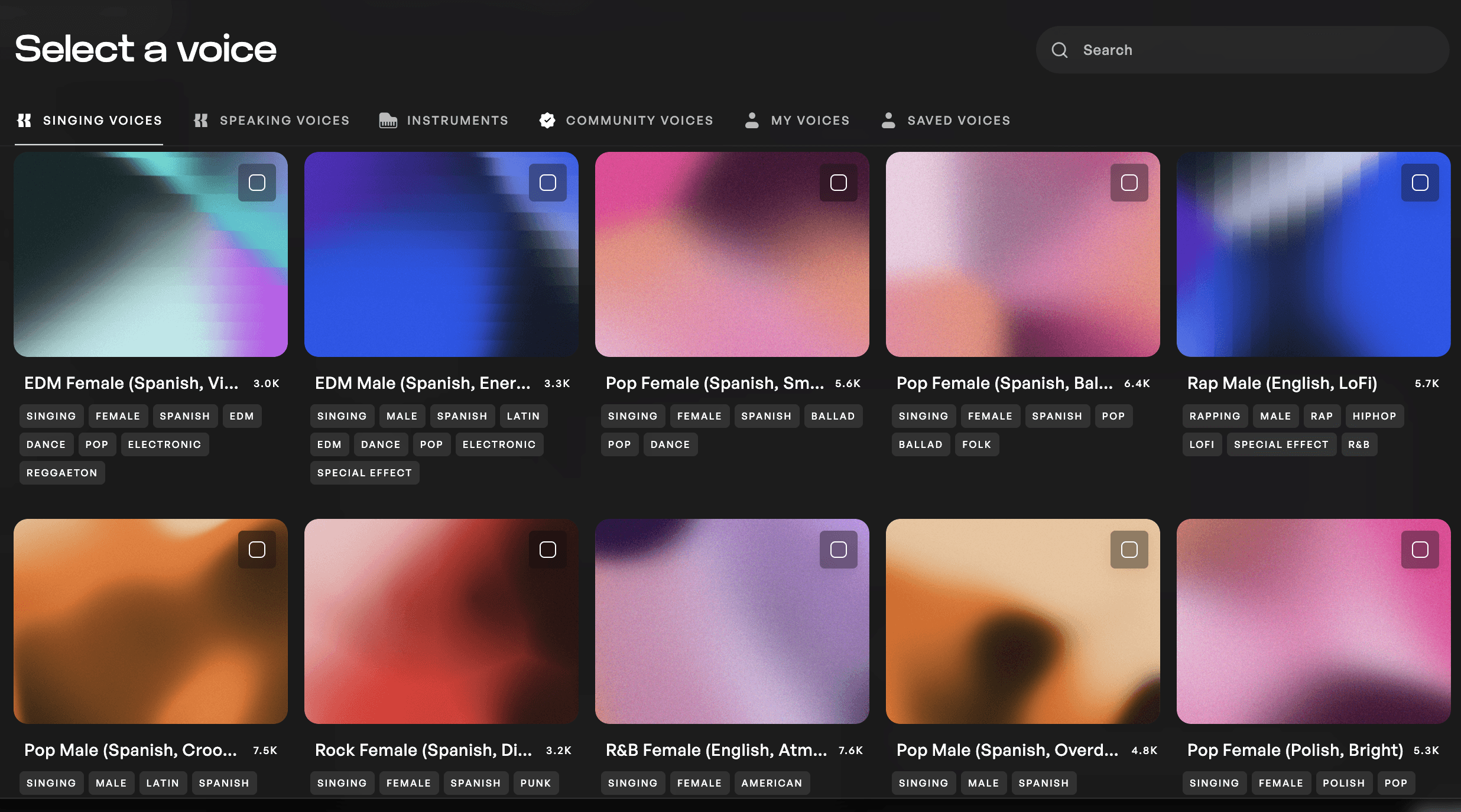
Uma biblioteca de vozes livre de royalties pronta para lançamento
Dentro do Kits Studio, a biblioteca de vozes livre de royalties é baseada em acordos negociados com vocalistas. Cada modelo de voz está liberado para uso comercial, desde que você possua os direitos da gravação original que está convertendo.
Isso significa que você pode passar do estágio de demo para a distribuição sem se preocupar se seus vocais gerados por IA criarão problemas no futuro.
Para produtores que entregam trabalhos para clientes, apresentam projetos para gravadoras ou lançam de forma independente, essa clareza é essencial para a saúde mental.
Uma biblioteca comunitária que alinha incentivos
A Kits também oferece uma Biblioteca Comunitária de Vozes que conta com modelos de voz enviados e criados por artistas.
Por meio do program Kits Earn, os artistas são compensados quando seus modelos são utilizados. Em vez de simplesmente extrair valor dos dubladores, a plataforma cria uma estrutura de compartilhamento de receita onde os criadores participam dos lucros da tecnologia de IA.
Ética transparente e padrões de dados
A Kits publica informações detalhadas sobre seus padrões éticos e práticas de fornecimento de dados por meio do seu Ethics Hub e documentos de pesquisa.
Em um mercado onde a clonagem não autorizada e o uso indevido geraram desconfiança, esse nível de transparência estabelece um padrão mais alto.
Para produtores que se importam com o uso responsável e não querem arriscar seu catálogo ou trabalho com clientes, essa diferença é significativa.
O futuro da voz com IA na música é ético
A tecnologia de voz com IA está se tornando parte da produção moderna do dia a dia.
O verdadeiro diferencial agora não é mais se a inteligência artificial é usada, mas sim como essas ferramentas são desenvolvidas e treinadas — de forma ética e priorizando os músicos.
Quando os modificadores de voz com IA são licenciados, transparentes e livres de royalties para uso comercial, como a Kits AI, eles deixam de ser uma novidade arriscada para se tornarem uma ferramenta criativa confiável.
Eles ajudam você a criar protótipos mais rapidamente, testar ideias mais livremente e entregar resultados com confiança. Essa é a diferença entre experimentar com IA e construir projetos com ela.
Justin é um redator residente em Los Angeles com mais de 16 anos de experiência na indústria musical, compondo para séries de TV e filmes de sucesso, produzindo faixas amplamente licenciadas e gerenciando talentos de peso da música. Hoje, ele escreve textos de alta conversão para marcas e artistas e, em seu tempo livre, gosta de pintar, praticar musculação e jogar futebol.
Comece, grátis.
Otimize seu fluxo de produção vocal com ferramentas de áudio em qualidade de estúdio baseadas em IA.
