

O que é música jazz? Explorando sua história, características e som atemporal
Aprenda a história do jazz desde suas raízes em Nova Orleans até o swing, bebop, fusion e o jazz moderno. Descubra as características definidoras, os principais artistas, as principais eras e como explorar o jazz hoje usando ferramentas modernas como Kits.
O jazz não é apenas um gênero — é uma conversa viva e que respira. É o som do risco, da liberdade, da síncope e da crença de que uma nota errada está a apenas um semitom de se tornar a nota certa. Seja você um ouvinte curioso, um novo músico aprendendo sua primeira progressão ii–V–I ou alguém que acidentalmente passou a noite inteira acordado ouvindo gravações ao vivo piratas do Coltrane (todos nós já passamos por isso), este guia o conduzirá por onde o jazz surgiu, o que o define e por que ele continua sendo uma das tradições musicais mais importantes da história moderna.
Introdução: O que é Jazz?
Em sua essência, o jazz é uma música construída sobre improvisação, groove e expressão humana. Ele mistura tradições musicais africanas, blues, harmonia europeia e as experiências vividas pelos negros americanos no início do século XX, incorporando vários elementos de diferentes culturas musicais para criar seu som único.
Pense na fórmula: emoção + ritmo + espontaneidade = jazz.
Mas chamar o jazz de um único "gênero" é como chamar a comida de "um único sabor". O jazz contém inúmeros subestilos — jazz de Nova Orleans, swing, bebop, hard bop, cool jazz, fusion, modal jazz, free jazz e uma lista infinita de híbridos modernos.
O jazz influenciou fortemente quase todas as formas de música moderna: rock, soul, R&B, funk, hip hop, música eletrônica, trilhas sonoras de filmes — tudo é derivado das inovações do jazz.
Neste guia, passaremos pelos elementos essenciais do jazz, suas principais eras e os músicos que moldaram seu som. A improvisação também é um atributo fundamental do gênero jazz no qual nos aprofundaremos mais adiante.
Características Principais do Jazz
Improvisação: O Coração do Jazz
Músicos de jazz não apenas "tocam a música" — eles a reinventam a cada vez. A improvisação desempenha um papel central nas apresentações de jazz, permitindo que os músicos criem interpretações únicas e expressivas na hora. Solos, riffs, linhas de pergunta e resposta… é onde a personalidade vive, e a improvisação no jazz é o processo pelo qual os músicos criam solos espontâneos que definem o caráter dinâmico do gênero.
Swing & Síncope
O swing é aquele impulso irresistível para a frente — a "sensação" que faz o jazz ser jazz.
Não se trata de tocar no tempo correto; trata-se de tocar ao redor dele.
YouTube: What is Swing? Swing Explained in 2 Minutes (Music Theory) publicado por Dave Wave
Harmonia Complexa
A harmonia do jazz introduziu acordes estendidos, tons cromáticos, substituições e tensões picantes que mais tarde se infiltraram no pop, no cinema, no R&B, no soul e até na música eletrônica.
Influência do Blues
Progressões de blues de doze compassos, blue notes, inflexões expressivas, narrativa: este DNA corre em quase todas as eras do jazz.
A blue note, uma nota com a afinação ligeiramente flexionada ou alterada, é uma marca registrada do jazz e do blues, adicionando profundidade emocional e expressividade à improvisação, especialmente nos estilos blues e bebop.
As canções de trabalho, particularmente aquelas cantadas pelos escravos afro-americanos, desempenharam um papel crucial na formação dos padrões de pergunta e resposta e do espírito de improvisação que são fundamentais para o jazz hoje em dia.
Pequenos Grupos & Big Bands
O jazz pode ser:
um trio sussurrando silenciosamente em um clube esfumaçado
ou uma estrondosa big band de 18 integrantes tocando sopros potentes
Os instrumentos musicais comuns em conjuntos de jazz incluem piano, trompete, saxofone, bateria e guitarra.
Outros instrumentos, como bateria, saxofone e trompete, desempenham um papel crucial na formação do som e da energia do jazz.
O jazz frequentemente apresenta instrumentos acústicos, que contribuem para o som natural e autêntico do gênero.
O contrabaixo elétrico e o contrabaixo acústico são essenciais nas apresentações de jazz, fornecendo o groove fundamental e as linhas de baixo profundas e ressonantes que conduzem a seção rítmica.
Ambos são igualmente "jazz" — apenas sabores diferentes.
O Jazz Através dos Anos: Uma Breve Visão Geral
YouTube: The Birth of Jazz publicado por Black History in Two Minutes or so
1. Raízes & Início em Nova Orleans (décadas de 1890–1920)
O jazz começou em Nova Orleans — um cruzamento cultural onde as tradições africanas, caribenhas, crioulas e europeias colidiram.
As bandas de sopro de Nova Orleans desempenharam um papel crucial na formação do som do jazz primitivo, misturando tradições de bandas marciais com improvisação e síncope que definiram o início do gênero. Na história do jazz, Nova Orleans se destaca como o berço do jazz primitivo, onde a cultura musical vibrante da cidade e as diversas influências lançaram as bases para o desenvolvimento do gênero.
Figuras importantes do início:
Louis Armstrong: o primeiro grande solista de jazz, mestre do swing e do carisma
Buddy Bolden: lenda primitiva da corneta
Jelly Roll Morton: autodeclarado "inventor do jazz", arranjador pioneiro
King Oliver: mentor e líder de banda de Armstrong
Esta era era crua, alegre, cheia de metais e profundamente conectada à dança.
2. A Era do Swing & Big Bands (décadas de 1930–40)
O jazz se tornou mainstream, transformando-se na música pop da década de 1930. Salões de baile, rádio, dançarinos — o jazz estava em toda parte.
Durante esta era, a música swing alcançou proeminência, definindo o som da época e moldando a forma como as pessoas dançavam e ouviam jazz.
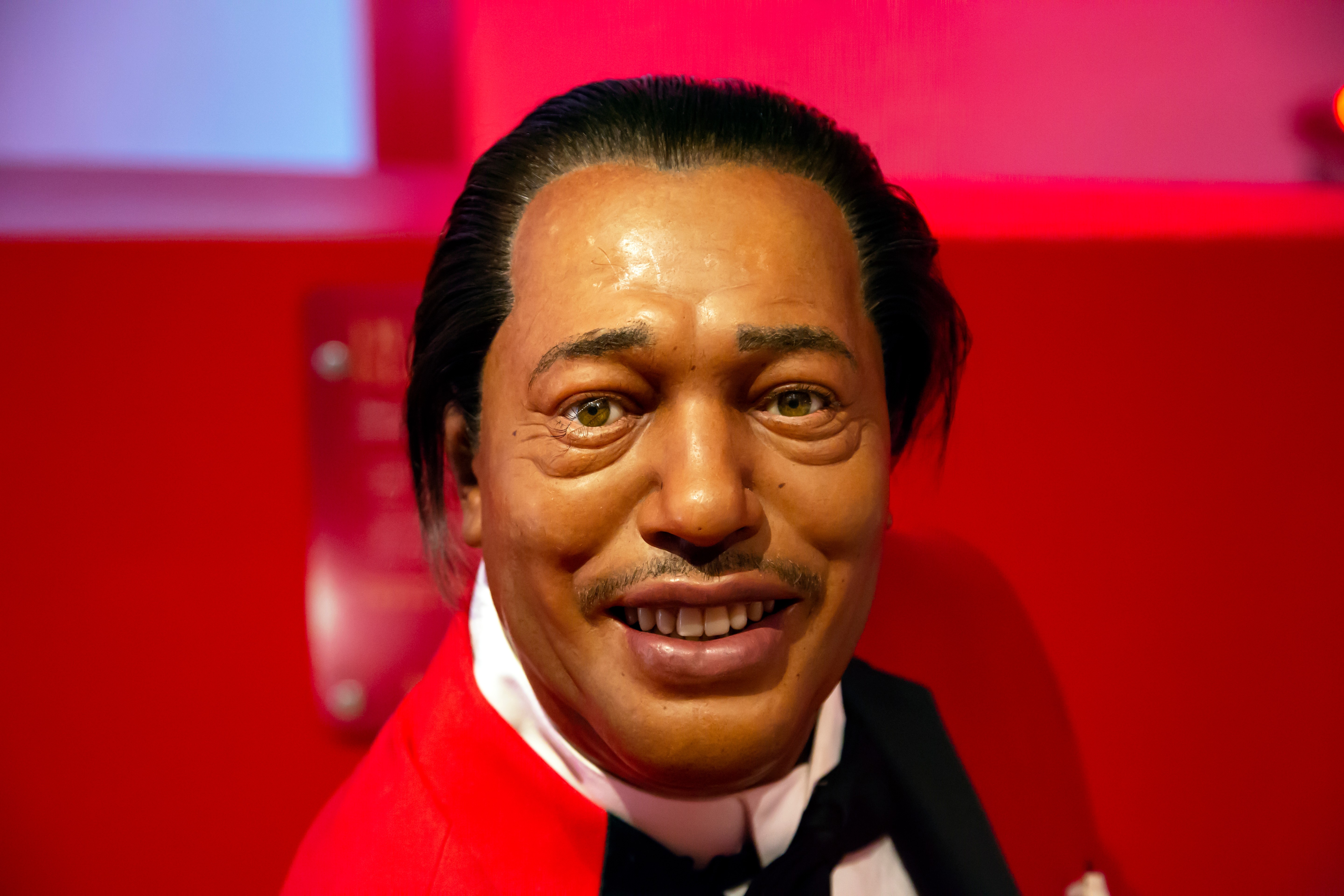
Duke Ellington ajudou a trazer as big bands para as massas e rapidamente se tornou um nome amplamente conhecido.
Líderes de banda fundamentais:
Duke Ellington: elegante, orquestral, infinitamente inovador
Count Basie: minimalismo, groove e swing perfeito
Benny Goodman: o "Rei do Swing", ajudou a integrar as bandas
Alguns renascimentos do jazz durante este período foram vistos por músicos negros como uma nostalgia superficial voltada para o público branco, refletindo as complexas dinâmicas culturais e tensões raciais na história do jazz.
Se você já marcou o ritmo com o pé ao som de uma linha de baixo caminhante ou de ataques de sopro, você está ouvindo a influência do swing.
YouTube: Satin Doll · Duke Ellington & His Orchestra publicado por Duke Ellington - Topic
3. Bebop: O Jazz Fica Mais Rápido, Complexo e Selvagem (décadas de 1940–50)
YouTube: Clifford Brown - 1953 - Sextet In Paris - 09 Blue Concept (Take 2) publicado por JazzTube
Os músicos de bebop basicamente disseram:
"E se tirarmos a dança do jazz… e aumentarmos a dificuldade para o nível máximo?" Pequenos grupos. Melodias velozes. Harmonia complexa.
Os inovadores:
Charlie Parker: o arquiteto ultrarrápido do bebop
Dizzy Gillespie: pirotecnia no trompete, gênio harmônico
Thelonious Monk: angular, lúdico, profundamente original
O bebop transformou o jazz em uma forma de arte centrada no virtuosismo e no domínio da improvisação.
4. Cool Jazz, Hard Bop & Modal Jazz (décadas de 1950–60)
Surgido no final da década de 1940, o cool jazz é conhecido por seus andamentos relaxados e tom mais leve. Uma característica fundamental do cool jazz é a sua sensação descontraída e a ênfase na sutileza tanto na improvisação quanto no arranjo. Esse estilo frequentemente apresentava arranjos formais, buscando inspiração na música clássica para criar composições mais estruturadas e sofisticadas. Artistas notáveis incluem Miles Davis e Chet Baker.
Hard Bop
O hard bop desenvolveu-se na década de 1950 como uma reação ao cool jazz, trazendo de volta as influências do blues e do gospel. É caracterizado por um ritmo pulsante, melodias expressivas e uma abordagem mais agressiva. Artistas como Art Blakey e Horace Silver foram figuras importantes nesse gênero.
Art Blakey
Horace Silver
Cannonball Adderley
Modal Jazz
O modal jazz, popularizado por Miles Davis e John Coltrane, mudou o foco das progressões de acordes para os modos musicais. Isso permitiu uma maior liberdade de improvisação e novas possibilidades melódicas.
Miles Davis: Kind of Blue (o disco de jazz mais vendido da história)
John Coltrane: A Love Supreme
Esta era produziu algumas das gravações mais lendárias e atemporais do jazz.
5. Free Jazz & Vanguarda (década de 1960)
O jazz tira as rodinhas de apoio do universo. Estrutura? Opcional. Tonalidade? Talvez. Regras? Que regras? Durante este período, o jazz de vanguarda surgiu como um estilo revolucionário, rompendo com as normas tradicionais do jazz com abordagens experimentais, atonais e altamente improvisadas.
Os principais inovadores incluem:
Ornette Coleman: Free Jazz
John Coltrane: explorações do período tardio
Cecil Taylor
YouTube: Free Jazz (Pts. 1 & 2) publicado por Ornette Coleman
Conjuntos como os liderados por Ornette Coleman apresentavam vozes distintas, com cada músico contribuindo com um estilo único e reconhecível para o som geral, enfatizando a independência criativa dentro do grupo.
Essa música desafiou os ouvintes — mas abriu portas para quase todos os gêneros experimentais que a seguiram.
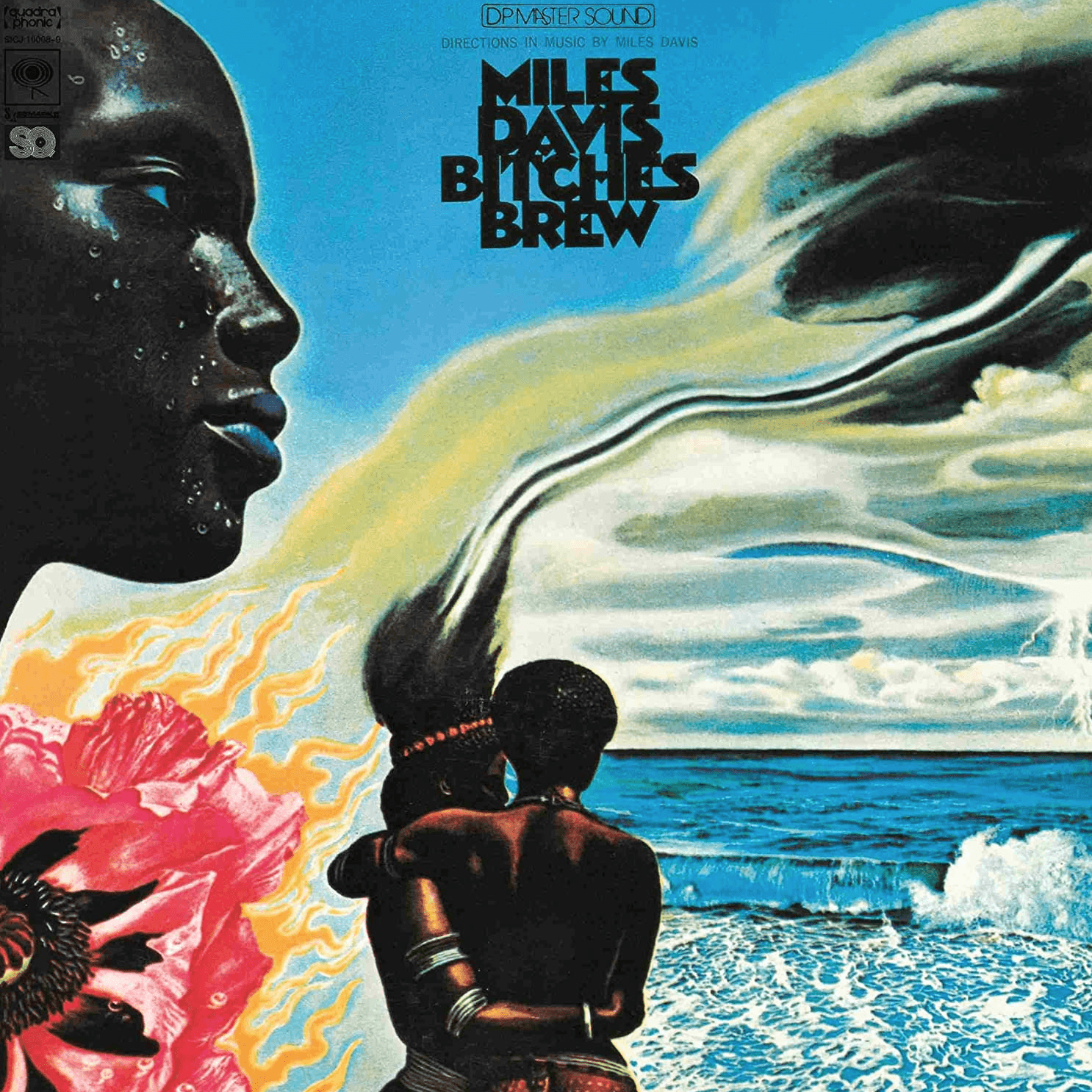
Com seu álbum clássico Bitches Brew, Miles Davis afastou-se dos ritmos tradicionais do jazz em favor de arranjos soltos e influenciados pelo rock, baseados na improvisação.
6. Fusion & Experimentos Elétricos (décadas de 1970–80)
O jazz encontra o rock. O jazz encontra o funk. O jazz encontra a eletricidade.
Pense em:
teclados elétricos
distorção
grooves de bateria gigantescos
O som do jazz evoluiu significativamente com a introdução de instrumentos elétricos, misturando as qualidades acústicas naturais do jazz tradicional com texturas amplificadas e eletrônicas. Uma composição de jazz notável da era do fusion é "Bitches Brew", de Miles Davis, que apresenta harmonia de vanguarda e estruturas rítmicas complexas. "Birdland", do Weather Report, é uma peça de jazz que exemplifica a fusão do jazz com o rock e o funk, destacando a adaptabilidade e o significado cultural do gênero.
YouTube: Lee Ritenour - Captain Fingers publicado por JeremiasGaller
Figuras fundamentais:
Miles Davis: Bitches Brew (o ponto de partida do fusion)
Herbie Hancock: lenda do funk-jazz (Head Hunters)
Weather Report: grupo virtuoso de fusion
Return to Forever de Chick Corea
Esses sons mais tarde influenciaram o hip-hop, a música eletrônica, o R&B e as trilhas sonoras de filmes.
7. Jazz Moderno: Global, Híbrido, Sem Limites (década de 1990–Hoje)
O jazz moderno absorve tudo:
hip hop (Robert Glasper, Kamasi Washington)
música eletrônica (GoGo Penguin, BADBADNOTGOOD)
neo-soul (bandas de Erykah Badu, D’Angelo)
tradições da música global
influências orquestrais e cinematográficas
O smooth jazz, um subgênero moderno que ganhou força nas décadas de 1980 e 1990, apresenta melodias leves e de andamento lento, além de arranjos instrumentais frequentemente com saxofones e guitarras elétricas, exercendo um impacto cultural significativo por meio de artistas populares e execução nas rádios.
Apesar dessas inovações, a tradição do jazz continua a influenciar o jazz moderno, fornecendo uma base enraizada em estilos clássicos como o hard bop e o bebop, e reafirmando o status do jazz como uma forma de alta arte.
YouTube: The Best of Modern Urban Jazz | Acid Jazz Mix, Electronica Jazz, Funky Grooves publicado por AcidJazz
Muitos artistas de jazz contemporâneos, como Esperanza Spalding e Christian Scott aTunde Adjuah, estão expandindo os limites do gênero enquanto honram sua rica história. Muitos artistas contemporâneos lançam jazz que não soa como o jazz "tradicional" — mas o espírito de improvisação continua vivo. Se um músico de bebop ouvisse um arranjo de Jacob Collier, provavelmente desmaiaria.
O Jazz e a Cultura
O jazz é mais do que apenas um som — é uma força cultural com uma história rica que espelha a própria evolução da sociedade. Nascido nas ruas vibrantes de Nova Orleans, o jazz surgiu de um caldeirão de gêneros musicais, misturando ritmos africanos, harmonias europeias e as experiências vividas pelos negros americanos. Esse gênero rapidamente se tornou uma voz para comunidades cujas histórias há muito tempo eram silenciadas, canalizando alegria e luta em cada nota.
À medida que o jazz se espalhava além de Nova Orleans, tornava-se a trilha sonora da mudança, ecoando o espírito da época. Do Renascimento do Harlem ao movimento pelos direitos civis, os músicos de jazz usaram sua arte para desafiar normas, inspirar movimentos e conectar pessoas além das divisões. O estilo improvisado do gênero e a liberdade criativa fizeram dele um ajuste natural para eras de transformação, permitindo que ele se adaptasse e prosperasse junto com as mudanças do panorama cultural.
Hoje, a influência do jazz pode ser sentida em inúmeros estilos musicais ao redor do mundo. Seu legado vive não apenas em salas de concerto e clubes, mas no próprio DNA da música pop, do hip hop e de outros gêneros que continuam a beber de sua fonte de inovação. A jornada do jazz, de Nova Orleans ao palco global, é um testemunho de seu poder duradouro de refletir, moldar e celebrar as culturas que o acolhem.
Como o Jazz É Feito Hoje
1. Comece com o Essencial
Os blocos de construção essenciais de uma música de jazz:
Melodia (o tema ou "tema principal")
Progressão harmônica
Groove & feeling
Seções de solo
Interação do grupo
2. Improvisação
Aqui está a mágica. Os músicos se revezam de forma a contar suas histórias dentro da estrutura da música.
3. Harmonia & Arranjo
A música jazz apresenta uma variedade de elementos musicais:
acordes estendidos
rearmonizações
substituições
estruturas modais
4. Ferramentas Modernas na Produção de Jazz
Hoje, os músicos de jazz usam:
metais & pianos digitais
samplers
texturas eletrônicas
ferramentas de IA para organizar ideias (o Kits funciona muito bem para esboços de ganchos iniciais, pads de acordes e até mesmo texturas corais)
5. Misturando Gêneros Musicais
O jazz moderno se mistura com:
baterias de hip hop
camadas de sintetizadores eletrônicos
ritmos do mundo (world rhythms)
técnicas de arranjo orquestral
O jazz não é mais uma pista única — é todo o sistema de rodovias.
Estilos Populares de Jazz (Tour Rápido)
Jazz de Nova Orleans: Improvisação coletiva alegre e cheia de metais.
Exemplo de artista: Louis ArmstrongHot Jazz: Estilo de jazz primitivo, enérgico e com muita improvisação, especialmente popular na Chicago dos anos 1920.
Notável por seus andamentos vivos e performances espirituosas.Swing: Big bands, ritmos de dança, linhas de sopro fluidas.
Exemplo de artista: Duke EllingtonBebop: Rápido, virtuoso, harmonicamente denso.
Exemplo de artista: Charlie ParkerCool Jazz: Descontraído, elegante, leve.
Exemplo de artista: Chet BakerHard Bop: Expressivo, com influência do blues, maior impacto rítmico.
Exemplo de artista: Art BlakeyModal Jazz: Aberto, fluido, meditativo.
Exemplo de artista: Miles Davis (Kind of Blue)Fusion: Elétrico, funk, experimental.
Exemplo de artista: Herbie Hancock
Uma música de jazz é única por sua ênfase na improvisação, pergunta e resposta, e pelo uso de instrumentos marcantes como o trompete, o saxofone e o piano. Esses elementos se combinam de forma a criar o som e a identidade inconfundíveis que definem a música jazz.
Experimente Explorar o Jazz Você Mesmo
Se você está pronto para se aprofundar:
Comece com playlists de cada era
Tente aprender um standard de jazz como "Autumn Leaves"
Use o Kits para gerar pads de acordes ou esboços melódicos
Grave suas próprias ideias e improvise sobre elas
Rearmonize uma música pop usando a harmonia do jazz
Misture texturas de jazz com produção moderna
O jazz recompensa a curiosidade — e a alegria está na exploração.
Conclusão
O jazz sempre foi construído sobre a experimentação, com músicos expandindo limites, ouvindo atentamente uns aos outros e descobrindo novas maneiras de expressar emoções por meio do som. Dos desfiles de rua de Nova Orleans aos clubes de bebop, do fusion elétrico aos modernos híbridos de jazz-hop, o gênero continua evoluindo porque as pessoas continuam a reinventá-lo.
E a melhor parte? Você não precisa ser um virtuoso ou ter uma agenda lotada de shows para começar a explorar. Com ferramentas modernas, instrumentos digitais e plataformas criativas como o Kits AI para gerar ideias melódicas, harmonias ou texturas, qualquer pessoa pode mergulhar no jazz e descobrir algo novo.
Portanto, ouça profundamente, improvise com audácia, curve as notas, quebre as regras — e mantenha a conversa viva.