

इंडी संगीत की शैली, संस्कृति और ध्वनि को समझना
इंडिपेंडेंट संगीत (Indie music) अपनी रचनात्मक स्वतंत्रता से परिभाषित होता है, न कि किसी एक विशिष्ट आवाज़ से। इसके इतिहास, लोकाचार (ethos), विकास के बारे में जानें, और यह भी समझें कि क्यों आज के आधुनिक संगीत में इंडी सबसे प्रभावशाली ताकतों में से एक बना हुआ है।

इंडी संगीत किसी एक ध्वनि, टेम्पो या गिटार टोन से परिभाषित नहीं होता है, बल्कि, यह एक विशिष्ट ध्वनि के होने का विरोध करता है, इसके बजाय स्वतंत्रता और प्रामाणिकता के लोकाचार पर ध्यान केंद्रित करता है। तथाकथित इंडी ध्वनि सख्त ध्वन्यात्मक विशेषताओं के बारे में कम और DIY भावना, कलात्मक स्वतंत्रता और प्रयोग करने की इच्छा के बारे में अधिक है। "इंडी" शब्द "इंडिपेंडेंट" (स्वतंत्र) से आया है, जिसका मूल रूप से उपयोग प्रमुख-लेबल प्रणाली के बाहर संगीत जारी करने वाले कलाकारों का वर्णन करने के लिए किया जाता था। लेकिन समय के साथ, वह परिभाषा अनुबंधों और वितरण मॉडलों से कहीं आगे बढ़ गई। संगीत जिसे कभी इंडी कहा जाता था, उसमें विभिन्न प्रकार की उपशैलियां और शैलियाँ शामिल हो गई हैं, जैसे कि इंडी रॉक, इंडी पॉप और यहाँ तक कि वैकल्पिक शैली के तत्व भी। इंडी रचनात्मक स्वतंत्रता, व्यक्तिगत अभिव्यक्ति और अपने तरीके से काम करने का एक सांस्कृतिक उपनाम बन गया, भले ही वह तरीका थोड़ा अजीब ही क्यों न हो। आज, इंडी संगीत को अक्सर एक वैकल्पिक शैली के रूप में देखा जाता है, जो मुख्यधारा की संस्कृति और व्यावसायिक प्रवृत्तियों से अलग है।
इसके मूल में, इंडी संगीत स्वायत्तता के बारे में है। यह उन कलाकारों द्वारा बनाया गया है जो अपने संगीत की ध्वनि, इसे कैसे जारी किया जाता है, और इसे दुनिया के सामने कैसे प्रस्तुत किया जाता है, इस पर नियंत्रण चाहते हैं। इसका मतलब किसी छोटे लेबल के साथ काम करना, बैंडकैंप या स्ट्रीमिंग प्लेटफॉर्म पर खुद रिलीज करना, या इस साल मुख्यधारा जिस भी चीज़ के पीछे भाग रही है, उसे आसानी से अनदेखा करना हो सकता है। मुख्यधारा की संस्कृति के विपरीत, इंडी संगीत ने व्यापक संगीत परिदृश्य के भीतर अपना स्थान बनाया है, ऐसे समुदायों को बढ़ावा दिया है जो नवाचार और कलात्मक पहचान को महत्व देते हैं। इंडी सफलता को खारिज नहीं करता है, यह सिर्फ सफलता को कला पर हावी होने देने से इनकार करता है।
इंडी एक लोकाचार के रूप में, न कि एक शैली के रूप में
इंडी संगीत के बारे में सबसे भ्रमित करने वाली चीजों में से एक यह है कि लोग अक्सर इसे एक शैली की तरह मानते हैं, भले ही यह एक मानसिकता की तरह अधिक व्यवहार करता है। दस लोगों से पूछें कि इंडी संगीत कैसा लगता है और आपको शायद दस अलग-अलग उत्तर मिलेंगे, और उनमें से कोई भी गलत नहीं होगा।
ऐसा इसलिए है क्योंकि इंडी संगीत किसी साझा ध्वन्यात्मक खाके पर नहीं बना है। इसके बजाय, यह इरादे से एकजुट है। इंडी कलाकार पूर्णता पर प्रयोग, पॉलिश पर व्यक्तित्व और सूत्र पर अभिव्यक्ति को महत्व देते हैं। गाने अंतरंग, शांत, भावनात्मक रूप से विशिष्ट या संरचनात्मक रूप से अपरंपरागत महसूस हो सकते हैं। गीत अक्सर भव्य आख्यानों के बजाय आंतरिक दुनिया पर ध्यान केंद्रित करते हुए, बाहर के बजाय अंदर की ओर झुकते हैं।
इंडी कलाकारों की वृद्धि भी धीरे-धीरे होती है। वायरल पलों या रेडियो प्ले का पीछा करने के बजाय, वे लाइव शो, मौखिक प्रचार, प्लेलिस्ट और ऑनलाइन समुदायों के माध्यम से दर्शकों का निर्माण करते हैं। वह क्रमिक वृद्धि संस्कृति का हिस्सा है। इंडी संगीत अक्सर ऐसा महसूस होता है जिसे आप खोजते हैं, न कि ऐसी चीज़ जो आपको सौंपी गई है। इंडी संगीत सुनना सक्रिय खोज में शामिल होना और इंडी प्रशंसक समुदाय के मूल्यों से जुड़ना है, जहाँ स्वतंत्रता, प्रामाणिकता और भावनात्मक अभिव्यक्ति की सराहना केंद्रीय है।
इंडी से जुड़ी आमतौर पर संगीत संबंधी विशेषताएं
बिना किसी सख्त परिभाषा के भी, इंडी संगीत ने पिछले कुछ वर्षों में कुछ जानी-पहचानी विशेषताएं विकसित की हैं। आप अक्सर सरल या अपरंपरागत व्यवस्था, धुन पर एक मजबूत ध्यान, और उत्पादन विकल्पों को सुनेंगे जो चमकदार के बजाय जानबूझकर किए गए महसूस होते हैं। कभी-कभी इसका अर्थ है लो-फाई टेक्सचर, टेप की सरसराहट, या खुरदरे किनारों को बरकरार रखना। दूसरी बार इसका मतलब सिर्फ यह होता है कि संगीत मानवीय लगता है, जैसे कि इसे किसी एल्गोरिदम को पूरा करने के लिए तराशा नहीं गया हो।
इंडी संगीत में स्वर भी अपरंपरागत हो सकते हैं। वे हमेशा बड़े या तकनीकी रूप से परिपूर्ण नहीं होते हैं, लेकिन वे अभिव्यंजक होते हैं। आवाज़ अक्सर मिश्रण के शीर्ष पर अच्छी तरह से बैठने के बजाय बनावट का हिस्सा महसूस होती है। इंडी कलाकारों द्वारा निर्मित संगीत अक्सर बाहर के प्रभाव से मुक्त होकर अपना खुद का संगीत बनाने की उनकी इच्छा को दर्शाता है, जिससे अधिक रचनात्मक स्वतंत्रता और व्यक्तिगत अभिव्यक्ति की अनुमति मिलती है। वह अंतरंगता इंडी संगीत को करीब महसूस करा सकती है, जैसे कि कलाकार केवल प्रस्तुति देने के बजाय सीधे श्रोता से बात कर रहा हो।
उस ने कहा, इसमें से कुछ भी अनिवार्य नहीं है। इंडी संगीत प्राचीन, अतिवादी या अत्यधिक तकनीकी हो सकता है। बात इसकी नहीं है कि अंतिम उत्पाद कितना परिष्कृत है, बल्कि इसकी है कि निर्णय कौन ले रहा है। यदि कलाकार निर्णय ले रहा है, और बाहरी दबाव के आगे नहीं झुक रहा है, तो स्वतंत्रता की वह भावना अभी भी लागू होती है।
इंडी के बोल: व्यक्तिगत, विशिष्ट और कभी-कभी अजीब
काव्यात्मक रूप से, इंडी संगीत अक्सर व्यक्तिगत और विशेष की ओर झुकता है। व्यापक, सार्वभौमिक बयानों के बजाय, इंडी गीत विशिष्ट क्षणों, भावनाओं या छवियों पर ध्यान केंद्रित करते हैं। एक गीत एक छोटी सी बातचीत, एक गुजरते विचार, या एक अधूरी भावना के इर्द-गिर्द घूम सकता है जो आसानी से हल नहीं होती है।
यह वह जगह है जहां इंडी संगीत वास्तव में बहुत सारे श्रोताओं के लिए चमकता है। यह हमेशा खुद को स्पष्ट नहीं करता है। यह दर्शकों पर विश्वास करता है। अस्पष्टता कोई दोष नहीं है, यह एक विशेषता है। कई इंडी के बोल परिष्कृत आख्यानों के बजाय सुने गए विचारों या डायरी प्रविष्टियों की तरह अधिक महसूस होते हैं, जो उन्हें विशेष रूप से संबंधित महसूस करा सकते हैं।
वहाँ हास्य, अजीबता और संवेदनशीलता के लिए भी जगह है। इंडी कलाकार अनिश्चित, द्वंद्व में या भावनात्मक रूप से उजागर होने से नहीं डरते। वह खुलापन आकर्षण का हिस्सा है, और यह उन कारणों में से एक है जिसकी वजह से इंडी संगीत अक्सर उन श्रोताओं के साथ इतनी दृढ़ता से प्रतिध्वनित होता है जो किसी ऐसी चीज़ की तलाश में हैं जो आकांक्षी के बजाय ईमानदार महसूस हो।
इंडी संगीत का एक संक्षिप्त इतिहास
70 के दशक के उत्तरार्ध में इंडी और पंक संगीत के उद्भव के लिए एक महत्वपूर्ण समय चिह्नित हुआ, जिसका उदाहरण बज़कॉक्स द्वारा 'स्पाइरल स्क्रैच' ईपी की रिलीज़ है, जिसने DIY भावना और स्वतंत्र उत्पादन का प्रदर्शन किया जो शैली को परिभाषित करेगा।
इंडी संगीत ने 1970 के दशक के उत्तरार्ध और 1980 के दशक की शुरुआत में आकार लेना शुरू किया, जो पंक और पोस्ट-पंक दृश्यों से निकटता से जुड़ा हुआ था। पंक ने पहले ही साबित कर दिया था कि प्रभाव डालने के लिए आपको किसी बड़े लेबल के समर्थन की आवश्यकता नहीं है, और इंडी ने उस दर्शन को नई दिशाओं में आगे बढ़ाया। न्यू वेव और वैकल्पिक संगीत के प्रभाव ने भी इंडी दृश्य को आकार देने में महत्वपूर्ण भूमिका निभाई, जिससे नई आवाजें आईं और मुख्यधारा की परंपराओं को चुनौती मिली। व्यावसायिक सांचों में फिट नहीं होने वाले कलाकारों का समर्थन करने के लिए स्वतंत्र लेबल सामने आने लगे।
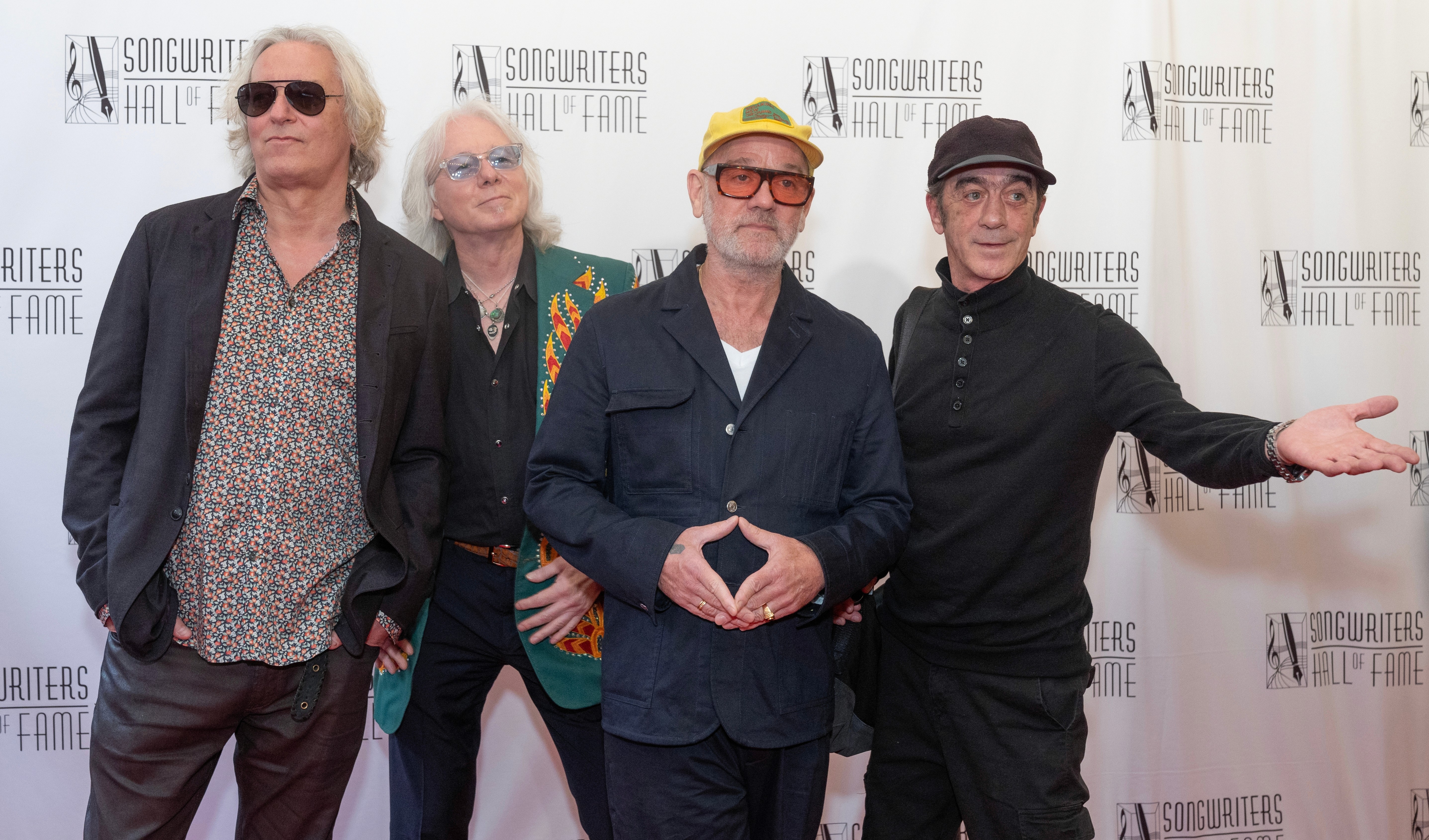
R.E.M. ने वैकल्पिक संगीत आंदोलन की राह प्रशस्त करने में मदद की जो 90 के दशक पर हावी रहेगा।
R.E.M., द स्मिथ्स, सोनिक यूथ, और हुस्कर डू जैसे बैंडों ने यह दिखाकर प्रारंभिक इंडी संस्कृति को परिभाषित करने में मदद की कि वैकल्पिक रास्ते व्यवहार्य थे। इन इंडी बैंडों ने प्रभावशाली एल्बम जारी किए, जिनमें उल्लेखनीय डेब्यू एल्बम शामिल हैं जिन्होंने शैली की ध्वनि और लोकाचार को स्थापित करने में मदद की। 1980 और 1990 के दशक में वैकल्पिक रॉक के उदय ने इंडी और मुख्यधारा के बीच की रेखाओं को और धुंधला कर दिया, आर्कटिक मंकीज़ जैसे बैंडों ने अपने डेब्यू एल्बम के माध्यम से व्यावसायिक सफलता हासिल की और इंडी संगीत को व्यापक दर्शकों तक पहुँचाया। इन कलाकारों ने टूरिंग, कॉलेज रेडियो और मौखिक प्रचार के माध्यम से समर्पित प्रशंसक वर्ग बनाया - स्ट्रीमिंग या सोशल मीडिया के अस्तित्व में आने से बहुत पहले।
YouTube: द स्मिथ्स - हेवेन नोज़ आई एम मिजरेबल नाउ (आधिकारिक संगीत वीडियो) द स्मिथ्स द्वारा पोस्ट किया गया
जैसे-जैसे इंडी दृश्य बढ़े, वैसे-वैसे उनके आसपास का बुनियादी ढांचा भी बढ़ा। स्वतंत्र रिकॉर्ड स्टोर, ज़ाइन और छोटे लेबल खोज के लिए महत्वपूर्ण केंद्र बन गए। स्वतंत्र रूप से जारी किए गए संगीत का समर्थन करने में इंडी लेबल ने महत्वपूर्ण भूमिका निभाई, जिससे कलाकारों को रचनात्मक नियंत्रण बनाए रखने की अनुमति मिली। इंडी दृश्य ने प्रयोगों को बढ़ावा दिया और अक्सर शैली की रेखाओं को धुंधला कर दिया, जिसमें इंडी और पॉप संगीत ने नए और अप्रत्याशित तरीकों से एक-दूसरे को प्रभावित किया। इंडी केवल एक ध्वनि नहीं थी; यह एक पारिस्थितिकी तंत्र था।
YouTube: टेम इम्पाला - द लेस आई नो द बेटर (आधिकारिक संगीत वीडियो) टेम इम्पाला द्वारा पोस्ट किया गया
इंडी संगीत का विकास आज भी जारी है, जिसमें टेम इम्पाला जैसे आधुनिक कलाकार इस शैली की सीमाओं को आगे बढ़ा रहे हैं और कलाकारों की एक नई पीढ़ी को प्रभावित कर रहे हैं।
इंडी फोल्क और ध्वनिक (अकॉस्टिक) संगीत: एक विशिष्ट उपशैली
इंडी फोल्क और ध्वनिक संगीत ने इंडी संगीत की दुनिया में एक विशिष्ट स्थान बनाया है, जो एक ऐसी ध्वनि प्रदान करता है जो अंतरंग और भावनात्मक रूप से गूंजने वाली दोनों है। इस उपशैली को कहानी कहने, काव्यात्मक गीतों और धुनों पर ध्यान केंद्रित करने से परिभाषित किया जाता है जो सुखदायक और गहराई से व्यक्तिगत दोनों महसूस होते हैं। पिछले दशक में, कई इंडी कलाकार संगीत की मुख्यधारा की चमकदार चमक से अलग संगीत बनाने के लिए ध्वनिक गिटार, समृद्ध सामंजस्य और हार्दिक गीतों का सम्मिश्रण करते हुए इंडी फोल्क की ओर आकर्षित हुए हैं।
इंडी फोल्क का आकर्षण इसकी प्रामाणिकता में निहित है। अक्सर व्यावसायिक प्रवृत्तियों और बड़े लेबल की अपेक्षाओं के वर्चस्व वाले संगीत उद्योग में, इंडी फोल्क कलाकार रचनात्मक नियंत्रण और एक DIY लोकाचार को प्राथमिकता देते हैं। कई लोग स्वतंत्र लेबल या अपनी खुद की छाप के माध्यम से संगीत जारी करना चुनते हैं, जिससे यह सुनिश्चित होता है कि उनकी ध्वनि और दृष्टि से कोई समझौता न हो। स्वतंत्रता के प्रति इस प्रतिबद्धता ने इंडी फोल्क को अपनी अनूठी पहचान बनाए रखने में मदद की है, भले ही यह व्यापक दर्शकों के साथ पैठ बना रहा है।
इंडी फोल्क भी एक व्यापक श्रेणी है, जो पंक, रॉक, कंट्री और यहाँ तक कि हिप हॉप जैसी अन्य शैलियों के प्रभावों से आकार लेती है। ममफोर्ड एंड संस और द लुमनीयर्स जैसे बैंड लोक-प्रेरित ध्वनियों को सबसे आगे लाए हैं, पारंपरिक ध्वनिक तत्वों को रॉक की ऊर्जा और क्लासिक लोक की कहानी कहने के साथ मिश्रित करते हैं। स्थानीय दृश्यों और संगीत समारोहों ने इस शैली को पोषित करने में महत्वपूर्ण भूमिका निभाई है, जिससे संगीतकारों को अपने गाने साझा करने और इंडी प्रशंसकों के बढ़ते समुदाय से जुड़ने का एक मंच मिला है।

लोकगीत और प्रयोगात्मक दोनों शैलियों को जोड़कर, बॉन इवर के जस्टिन वर्नन इंडी फोल्क की सीमाओं को आगे बढ़ाते हैं।
इंडी फोल्क की ध्वनि अचूक है: ध्वनिक गिटार अक्सर केंद्र में होता है, साथ में बैंजो, हारमोनिका या सूक्ष्म तालबद्ध वाद्ययंत्र होते हैं। गीत आत्मनिरीक्षण और काव्यात्मक हैं, जो प्रेम, प्रकृति और व्यक्तिगत चिंतन के विषयों की खोज करते हैं। बॉन इवर, सुफजान स्टीवंस और फ्लीट फॉक्स जैसे कलाकार इंडी फोल्क ध्वनि के पर्याय बन गए हैं, जबकि निक ड्रेक और बॉब डायलन जैसे दिग्गज अपने विचारोत्तेजक गीत लेखन और विशिष्ट शैली के साथ संगीतकारों की नई पीढ़ियों को प्रेरित करना जारी रखते हैं।
स्वतंत्र संगीत में अपनी जड़ों के बावजूद, इंडी फोल्क शैली ने कोलंबिया रिकॉर्ड्स और सोनी बीएमजी जैसे प्रमुख लेबलों का ध्यान भी आकर्षित किया है, जिन्होंने मोडेस्ट माउस और अन्य इंडी फोल्क कलाकारों को व्यापक दर्शकों तक पहुँचाने में मदद की है। फिर भी, भले ही कुछ कलाकारों को मुख्यधारा की सफलता मिलती है, रचनात्मक स्वतंत्रता और कलात्मक स्वायत्तता के मूल मूल्य इंडी फोल्क दृश्य के केंद्र में बने हुए हैं।
स्ट्रीमिंग प्लेटफॉर्मों ने इंडी फोल्क की पहुंच का और विस्तार किया है, जिससे कई इंडी कलाकारों को दुनिया भर के श्रोताओं के लिए सीधे संगीत जारी करने की अनुमति मिलती है। इस सुलभता ने इस शैली के निरंतर विकास को बढ़ावा दिया है, जिसमें संगीतकार नई ध्वनियों के साथ प्रयोग कर रहे हैं और संगीत को ताज़ा और प्रासंगिक बनाए रखने के लिए रॉक, पंक और अन्य शैलियों के प्रभावों का सम्मिश्रण कर रहे हैं।
अंततः, इंडी फोल्क और ध्वनिक संगीत इंडी शैली के एक जीवंत और लगातार विकसित होने वाले कोने का प्रतिनिधित्व करते हैं। वास्तविक अभिव्यक्ति, रचनात्मक नियंत्रण और परंपरा और नवाचार दोनों के साथ संबंध पर जोर देने के साथ, इंडी फोल्क फलना-फूलना जारी रखता है, जो कलाकारों और प्रशंसकों को समान रूप से संगीत की शक्ति का पता लगाने के लिए एक जगह प्रदान करता है जो ईमानदार, हार्दिक और विशिष्ट रूप से उनका अपना है।
इंडी मुख्यधारा में जाता है (लगभग)
1990 के दशक के उत्तरार्ध और 2000 के दशक की शुरुआत तक, इंडी संगीत मुख्यधारा में रेंगने लगा था। द स्ट्रोक्स, आर्केड फायर, डेथ कैब फॉर क्यूटी और इंटरपोल जैसे कलाकारों ने इंडी सौंदर्यशास्त्र को बहुत बड़े दर्शकों तक पहुँचाया। अचानक, जो बैंड कभी कॉलेज रेडियो पर रहते थे, वे त्योहारों की शोभा बढ़ा रहे थे और एल्बम चार्ट में शीर्ष पर थे।
YouTube: आर्केड फायर - द सबर्ब्स (आधिकारिक संगीत वीडियो) आर्केड फायर द्वारा पोस्ट किया गया
इस युग ने इस बात पर निरंतर बहस शुरू कर दी कि इंडी के रूप में क्या "गिना" जाता है। क्या कोई कलाकार लोकप्रिय होने पर भी इंडी हो सकता है? क्या होगा यदि वे किसी बड़े लेबल के साथ हस्ताक्षर करते हैं? इन सवालों के साफ जवाब नहीं हैं, और यही मुख्य बात है। इंडी हमेशा से संस्कृति के साथ-साथ वाणिज्य द्वारा आकार लेने वाला एक गतिशील लक्ष्य रहा है।
हालाँकि, जो चीज़ सुसंगत रही, वह थी पहचान और रचनात्मक नियंत्रण पर जोर। यहाँ तक कि जैसे-जैसे इंडी कलाकार बड़े मंचों तक पहुँचे, कई लोगों ने उन संवेदनशीलताओं को बरकरार रखा जिन्होंने पहली बार में उनके संगीत को व्यक्तिगत और विशिष्ट महसूस कराया था।
प्रौद्योगिकी और इंडी का विस्फोट
किफायती रिकॉर्डिंग तकनीक और डिजिटल वितरण के उदय ने इंडी संगीत को पूरी तरह से बदल दिया। होम स्टूडियो सुलभ हो गए, और कलाकारों को संगीत जारी करने के लिए अब उद्योग के मध्यस्थों की आवश्यकता नहीं रही। बैंडकैंप, साउंडक्लाउड और बाद में स्ट्रीमिंग सेवाओं जैसे प्लेटफार्मों ने स्वतंत्र कलाकारों को न्यूनतम संसाधनों के साथ वैश्विक दर्शकों तक पहुंचने की अनुमति दी।
इस बदलाव ने इंडी संगीत का बड़े पैमाने पर लोकतंत्रीकरण किया। कलाकार स्वतंत्र रूप से प्रयोग कर सकते थे, बार-बार संगीत जारी कर सकते थे, और सीधे श्रोताओं से जुड़ सकते थे। शैलियाँ और भी धुंधली हो गईं, और क्षेत्रीय दृश्य रातों-रात वैश्विक हो गए। इंडी संगीत विशिष्ट शहरों या लेबलों से बंधा रहना बंद कर ऑनलाइन रहने लगा।
उसी समय, इस सुलभता ने प्रतिस्पर्धा बढ़ा दी। पहले से कहीं अधिक संगीत उपलब्ध होने के साथ, अलग दिखना कठिन हो गया। आज इंडी कलाकार अक्सर रचनात्मक काम के साथ मार्केटिंग, सोशल मीडिया और स्व-प्रचार जैसी भूमिकाएँ निभाते हैं, जो काम पहले लेबल द्वारा संभाले जाते थे।
आज का इंडी संगीत
आज, इंडी संगीत एक छोटा सा क्षेत्र नहीं बल्कि एक विशाल परिदृश्य है। इंडी रॉक, इंडी पॉप, इंडी फोल्क, इलेक्ट्रॉनिक प्रोजेक्ट, लो-फाई बेडरूम रिकॉर्डिंग और प्रयोगात्मक हाइब्रिड सभी एक ही छतरी के नीचे सह-अस्तित्व में हैं। सीमाएं लचीली हैं, और कलाकार अक्सर लेबलों की चिंता किए बिना शैलियों के बीच बदलाव करते हैं।
आधुनिक इंडी कलाकार अक्सर अपने दर्शकों के साथ सीधा संबंध बनाए रखते हैं। सोशल मीडिया, न्यूज़लेटर और लाइवस्ट्रीम कलाकारों को मध्यस्थों के बिना संवाद करने की अनुमति देते हैं। प्रशंसक केवल उपभोक्ता नहीं हैं, वे सहयोगी, समर्थक और समुदाय के सदस्य हैं।
इस सीधे संबंध ने इंडी संगीत की आवाज को भी प्रभावित किया है। गाने कभी-कभी छोटे, अधिक तात्कालिक या अधिक संवादात्मक होते हैं। अन्य गहराई से प्रयोगात्मक हैं, पूरी तरह से मैट्रिक्स से बेफिक्र हैं। आज के इंडी में ये दोनों चरम सीमाएँ और इनके बीच की हर चीज़ मौजूद है।
इंडी बनाम DIY: बिल्कुल एक जैसी बात नहीं
इंडी और DIY आपस में गहराई से जुड़े हुए हैं, लेकिन वे एक समान नहीं हैं। DIY अधिक विशिष्ट रूप से इस बात को संदर्भित करता है कि संगीत कैसे बनाया और जारी किया जाता है, अक्सर पूरी तरह से कलाकार द्वारा, बिना किसी बाहरी समर्थन के। दूसरी ओर, इंडी स्वतंत्रता और रचनात्मक नियंत्रण के व्यापक दर्शन को संदर्भित करता है।
एक कलाकार पूरी तरह से DIY हुए बिना इंडी हो सकता है, और इंडी संस्कृति में बिल्कुल फिट हुए बिना DIY हो सकता है। ओवरलैप बड़ा है, लेकिन पूरा नहीं है। जो सबसे ज्यादा मायने रखता है वह है इरादा: जहाज को कौन चला रहा है, और क्यों।
इंडी संगीत क्यों मायने रखता है
इंडी संगीत बड़े संगीत पारिस्थितिकी तंत्र में एक महत्वपूर्ण भूमिका निभाता है। अक्सर यहीं से नए विचारों की जड़ें बाहर फैलने से पहले जमती हैं। कई आवाजें, उत्पादन तकनीक और सौंदर्य प्रवृत्तियां जो बाद में लोकप्रिय संगीत पर हावी हो जाती हैं, इंडी स्थानों से शुरू होती हैं, जहां कलाकारों के पास तत्काल व्यावसायिक दबाव के बिना प्रयोग करने की गुंजाइश होती है।
इंडी संगीत उन आवाजों के लिए प्रतिनिधित्व भी प्रदान करता है जो हमेशा मुख्यधारा की अपेक्षाओं में फिट नहीं बैठती हैं। यह अपरंपरागत पहचानों, विशिष्ट दृष्टिकोणों और भावनात्मक जटिलता के लिए जगह बनाता है। एक ऐसे परिदृश्य में जो अक्सर सादगी और पैमाने को पुरस्कृत करता है, इंडी संगीत हमें याद दिलाता है कि विशिष्टता और सूक्ष्मता अभी भी मायने रखती है।
किसी भी चीज़ से अधिक, इंडी संगीत इस विचार का समर्थन करता है कि कला को अनुमति की आवश्यकता नहीं है। इसे सार्थक होने के लिए बड़े बजट, वायरल पलों या उद्योग के प्रमाणीकरण की आवश्यकता नहीं है। यह जिज्ञासा, व्यक्तित्व और रचनात्मक स्वतंत्रता पर फलता-फूलता है, और यही कारण है कि यह विकसित होना जारी रखता है।
निष्कर्ष
यदि इंडी संगीत के बारे में समझने लायक कोई एक चीज़ है, तो वह यह है: यह संगीत कैसा लगता है इसके बारे में कम और यह कैसे बनाया जाता है इसके बारे में अधिक है। इंडी एक विकल्प है। एक दृष्टिकोण। अपेक्षा से अधिक अभिव्यक्ति को प्राथमिकता देने की इच्छा।
यही लचीलापन ठीक वही कारण है जिसकी वजह से इंडी संगीत कायम रहा है। जैसे-जैसे उद्योग बदलता है, इंडी खुद को ढाल लेता है। जैसे-जैसे तकनीक बदलती है, इंडी इसे आत्मसात कर लेता है। जैसे-जैसे प्रवृत्तियाँ चढ़ती और गिरती हैं, इंडी अपनी खुद की चीज़ करता रहता है, कभी चुपचाप, कभी जोर-शोर से, लेकिन हमेशा अपनी शर्तों पर।
और यही पूरी बात है।