

कंट्री म्यूजिक का इतिहास: कैसे बरामदे के गीत स्टेडियम के गान बन गए
कंट्री म्यूजिक की क्लासिक शैली के बारे में और जानें—इसके कहानी कहने के मूल से लेकर उन घटकों तक जो इसकी खास और अनूठी आवाज को आकार देते हैं।

कंट्री म्यूजिक की शुरुआत रिकॉर्ड डील्स, ब्रांडिंग मीटिंग्स या इस बहस से नहीं हुई थी कि असली कंट्री म्यूजिक क्या होता है। इसकी शुरुआत लोगों द्वारा समय बिताने, कहानियां सुनाने और संगीत बनाने से हुई क्योंकि ऐसा करना उन्हें स्वाभाविक लगा। पोर्च पर बजने वाला वायलिन, दिनभर की कड़ी मेहनत के बाद गिटार की धुन, चर्च की सभा में गाया जाने वाला एक सामूहिक गीत। कंट्री म्यूजिक रोज़मर्रा की जिंदगी से उपजा है, और यही जुड़ाव आज भी इसके आकर्षण का हिस्सा है, तब भी जब यह संगीत खचाखच भरे स्टेडियम में बड़े-बड़े स्पीकरों के जरिए गूंज रहा हो।
इसके केंद्र में, कंट्री म्यूजिक का मतलब कहानी सुनाना है। यह उन पलों को कैद करने के बारे में है जो व्यक्तिगत लगते हैं लेकिन अंततः सार्वभौमिक बन जाते हैं। कभी-कभी वे कहानियां खुशी से भरी होती हैं, कभी दुखद, और कभी-कभी इतनी नाटकीय होती हैं कि उनमें गलत फैसले, खराब मौसम या गलत समय शामिल होते हैं। इसकी धुनें लगातार बदलती रही हैं, लेकिन एक अच्छी कहानी सुनाने की ज़रूरत कभी पुरानी नहीं हुई।
फ्रंट पोर्च, लोकगीत और संगीत की विरासत
कंट्री म्यूजिक की सबसे शुरुआती जड़ें ब्रिटिश द्वीपों से आए प्रवासियों द्वारा अमेरिकी दक्षिण में लाई गई लोक परंपराओं से जुड़ी हैं। ये गाथागीत (बैलेड्स) और नृत्य धुनें सुनकर सीखी जाती थीं, न कि लिखित संगीत पत्रकों (शीट म्यूजिक) के ज़रिए। एक शहर से दूसरे शहर जाने पर इसके बोल बदल जाते थे, छंद जोड़ दिए जाते थे या हटा दिए जाते थे और धुनें बजाने वाले के आधार पर बदल जाती थीं। ब्रिटिश लोक परंपराओं पर आधारित वायलिन धुनें शुरुआती कंट्री म्यूजिक के संग्रह का एक प्रमुख हिस्सा बनीं।
अफ्रीकी अमेरिकी संगीत परंपराओं ने कंट्री म्यूजिक का स्वरूप तय करने में एक बहुत बड़ी भूमिका निभाई। ब्लूज़ धुनें, लयबद्ध शैली और वाद्य तकनीकों का यूरोपीय लोक शैलियों के साथ स्वाभाविक रूप से मेल हो गया। मिनस्ट्रेल संगीत का भी शुरुआती प्रभाव रहा, जिसने लोक और ब्लूज़ के साथ मिलकर कंट्री म्यूजिक की धुन को आकार देने में मदद की। बैंजो की अपनी जड़ें अफ्रीका में हैं, जो इस बात का सबसे स्पष्ट उदाहरण है कि ये परंपराएं शुरू से ही एक-दूसरे से कितनी जुड़ी हुई थीं।
वाद्ययंत्रों का चुनाव व्यावहारिकताओं के आधार पर किया जाता था। वायलिन, गिटार और बैंजो ऐसे वाद्य यंत्र थे जिन्हें आसानी से कहीं भी ले जाया जा सकता था, ये किफायती थे और बिना एम्पलीफायर के भी तेज आवाज देते थे। यह संगीत घरों, खलिहानों और खुले मैदानों में आपस में साझा करने के लिए था। शेप नोट सिंगिंग और साउदर्न गॉस्पेल महत्वपूर्ण धार्मिक और सामुदायिक गायन परंपराएं थीं, जिन्होंने शुरुआती कंट्री म्यूजिक की गायन शैली और गीतों को प्रभावित किया। यहाँ संगीत की पूर्णता लक्ष नहीं थी बल्कि भावनाएं सबसे महत्वपूर्ण थीं।
कंट्री म्यूजिक का विकास उन समुदायों से हुआ जहाँ संगीत कुछ ऐसा था जिसमें आप खुद हिस्सा लेते थे, न कि सिर्फ़ बैठकर सुनते थे।
जब कंट्री म्यूजिक को मिला रिकॉर्ड डील
बीसवीं सदी की शुरुआत एक क्रांतिकारी आविष्कार लेकर आई। रिकॉर्डिंग तकनीक की वजह से संगीत उन जगहों से बहुत दूर तक पहुँचने लगा जहाँ इसे बनाया गया था। अचानक, जो गाने कभी केवल कुछ ही काउंटियों तक सीमित थे, वे देश भर में सुने जाने लगे।
रिकॉर्ड लेबल्स ने ग्रामीण संगीतकारों की तलाश शुरू की और 'हिलबिली म्यूजिक' जैसे लेबल के तहत रिकॉर्ड जारी किए। हालांकि आज यह शब्द थोड़ा असहज करने वाला लग सकता है, लेकिन इन रिकॉर्डिंग्स ने कंट्री म्यूजिक की शुरुआती व्यावसायिक पहचान बनाने में मदद की।
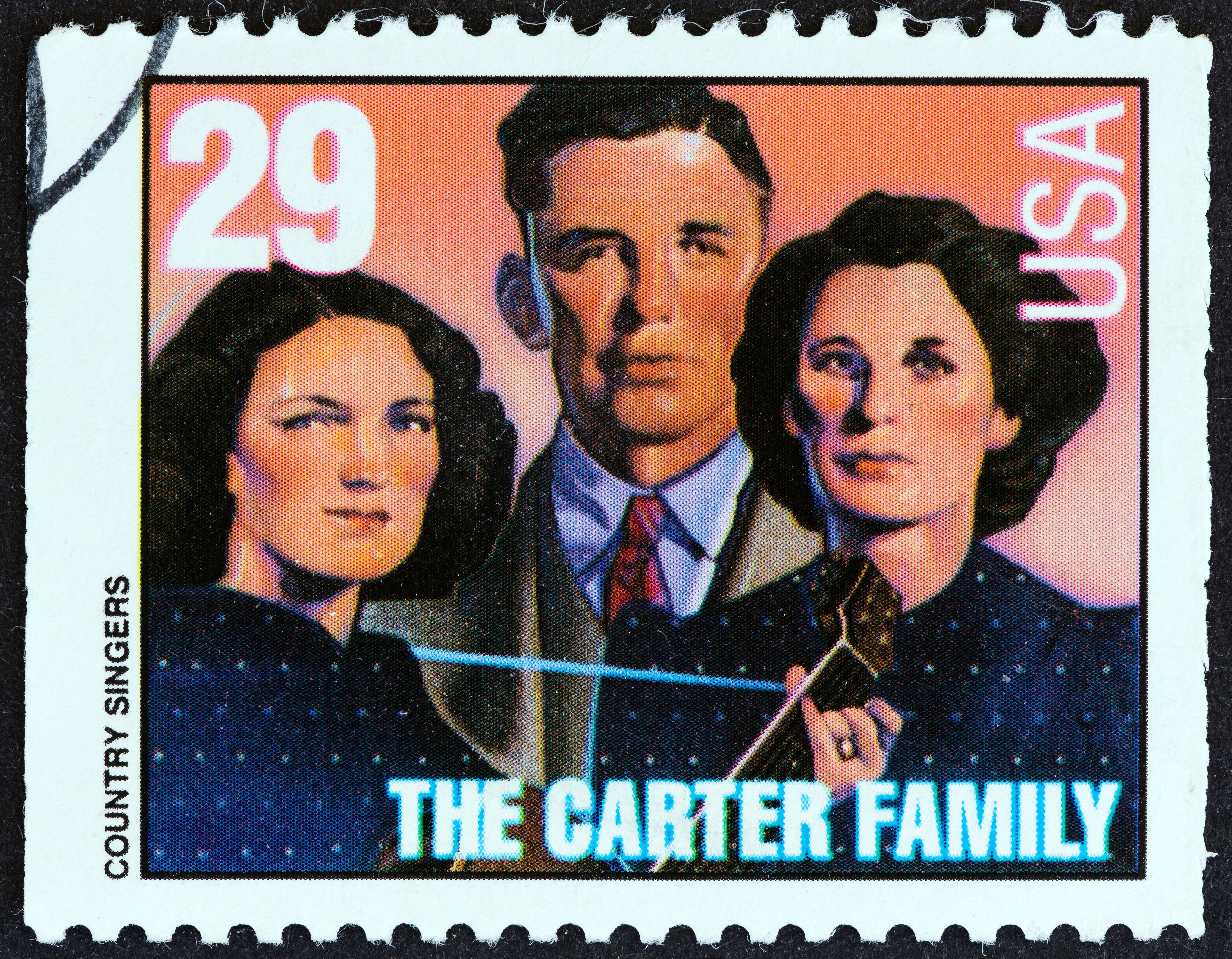
कार्टर परिवार का कंट्री म्यूजिक पर इतना बड़ा प्रभाव था कि अंततः उनकी याद में एक डाक टिकट भी जारी किया गया।
द कार्टर फैमिली और जिमी रॉजर्स इस क्षेत्र की दो सबसे महत्वपूर्ण हस्तियां बने। कार्टर फैमिली ने सामंजस्य, कहानी कहने और उन गीतों पर ध्यान केंद्रित किया जो पहली बार सुनने पर भी बहुत जाने-पहचाने से लगते थे। जिमी रॉजर्स अपने व्यक्तित्व, हास्य, दिल टूटने के अहसास और अपनी खास योडलिंग शैली को लेकर आए, जो बनावटी लगने के बजाय बेहद सच्ची महसूस होती थी। विक्टर रिकॉर्ड्स एक अग्रणी लेबल था जिसने कार्टर फैमिली और जिमी रॉजर्स जैसे शुरुआती कंट्री कलाकारों को रिकॉर्ड किया था।
रेडियो ने हर चीज़ को और बड़ा बना दिया। 'ग्रैंड ओले ऑप्री' जैसे शो ने कंट्री संगीतकारों को राष्ट्रीय सितारा बना दिया और ग्रामीण संगीत को एक साझे सांस्कृतिक अनुभव जैसा महसूस कराया। अब कंट्री म्यूजिक केवल एक स्थानीय परंपरा नहीं रह गया था, बल्कि यह एक जानी-पहचानी विधा बन रहा था।
दिल टूटने का दर्द और तेज़ आवाज़ें
द्वितीय विश्व युद्ध के बाद, अमेरिकी जीवन तेज़ी से बदला और इसके साथ ही कंट्री म्यूजिक भी बदला। जैसे-जैसे लोग शहरों और औद्योगिक नौकरियों की ओर बढ़े, यह संगीत भी उनके पीछे-पीछे बार और डांस हॉल तक पहुँच गया। हांकी टॉन्क का उदय भीड़भाड़ वाले कमरों और देर रात की महफ़िलों के लिए बनी एक अधिक तेज़ और इलेक्ट्रॉनिक शैली के रूप में हुआ। इस अवधि के दौरान, सुरों का तालमेल बिठाकर गाना (क्लोज़ हार्मनी सिंगिंग) कई कंट्री गीतों की विशेषता बन गया, जिससे संगीत की भावनात्मक गहराई और बढ़ गई।
YouTube: Johnny Horton - I'm A One Woman Man, 01musicfan द्वारा पोस्ट किया गया
इलेक्ट्रिक गिटार और स्टील गिटार सबसे महत्वपूर्ण बन गए। गीतों के बोलों में दिल टूटने, अकेलेपन, शराब और भावनात्मक थकावट का ज़िक्र होने लगा। यह संगीत उन लोगों के लिए था जिन्हें दिन के अंत में अपनी भावनाओं से मेल खाता हुआ कोई गीत चाहिए होता था।
हैंक विलियम्स इस युग की सबसे प्रमुख आवाज़ बने। उनके गीत छोटे, सीधे और भावनात्मक रूप से झकझोर देने वाले होते थे। उनमें सरल वाक्यों को अविस्मरणीय बनाने का अनूठा हुनर था। विलियम्स ने दिखाया कि संवेदनशीलता भी शक्तिशाली हो सकती है और कंट्री म्यूजिक बिना जटिल हुए भी दिल को छू सकता है।

अपने युग की एक प्रतिष्ठित आवाज़, हैंक विलियम्स बिना जटिल हुए भी सीधा असर छोड़ सकते थे।
इस युग ने कंट्री म्यूजिक के इतिहास में एक बार-बार आने वाले विषय को भी पेश किया - वह था बेबाक ईमानदारी और सजे-संवरे अंदाज़ के बीच का खिंचाव। हॉन्की टॉन्क और अन्य शैलियों के उभार ने कंट्री चार्ट्स के बढ़ते महत्व को दर्शाया, जिसने गानों और कलाकारों की लोकप्रियता को ट्रैक किया और इस शैली में आ रहे बदलावों को रेखांकित किया।
नैशविले में बदलाव की बयार
उन्नीस सौ पचास के दशक के अंत और साठ के दशक की शुरुआत तक, नैशविले ने खुद को कंट्री म्यूजिक के औद्योगिक केंद्र के रूप में दृढ़ता से स्थापित कर लिया था। निर्माताओं ने व्यापक दर्शकों तक पहुँचने के उद्देश्य से अधिक सुरीली और परिष्कृत धुनों को तैयार करना शुरू किया। इस दृष्टिकोण को नैशविले साउंड के रूप में जाना जाने लगा। नैशविले साउंड पॉप संगीत से काफी प्रभावित था और इसे पारंपरिक कंट्री प्रशंसकों के दायरे से बाहर एक बड़े दर्शक वर्ग को आकर्षित करने के लिए तैयार किया गया था।
स्ट्रिंग सेक्शन्स, बैकग्राउंड वोकल्स और सावधानी से की गई रिकॉर्डिंग ने हॉन्की टॉन्क के अनगढ़ रूप की जगह ले ली। पैट्सी क्लाइन जैसे कलाकारों ने इस माहौल में बड़ी सफलता पाई। उन्होंने कंट्री और पॉप दोनों ही बाज़ारों में अपनी जगह बनाई, और शानदार वाद्ययंत्रों की धुनों के बीच भी उनकी आवाज़ में गजब की भावनात्मक गहराई महसूस होती थी।

पैट्सी क्लाइन की आवाज़ में एक अनूठा दर्द था जो बेहतरीन संगीत निर्माण और वाद्य यंत्रों की धुनों के साथ और निखर कर आता था।
नैशविले साउंड ने कंट्री म्यूजिक को पॉप चार्ट में जगह दिलाने में मदद की, लेकिन इससे कुछ पारंपरिक प्रशंसक असहज भी हुए। जब भी कंट्री म्यूजिक बहुत अधिक आधुनिक और पॉलिश होने लगता है, तो उसकी प्रतिक्रिया होना लगभग तय है।
और बिल्कुल ऐसा ही हुआ, एक बदलाव पहले से ही आकार ले रहा था।
बेकर्सफील्ड, आउटलॉज़ और थोड़ा सा हंगामा
कैलिफ़ोर्निया में, बेकर्सफील्ड साउंड ने नैशविले के परिष्कृत रूप को चुनौती दी। बक ओवेन्स और मर्ले हैगार्ड जैसे कलाकारों ने चमकीले इलेक्ट्रिक गिटार, तेज़ लय और अधिक सीधे दृष्टिकोण को प्राथमिकता दी। गाने सरल, ऊर्जावान और गर्व से खुद को मध्यम वर्गीय कामगारों से जोड़ते थे। वेस्टर्न स्विंग के पथप्रदर्शक बॉब विल्स, बेकर्सफील्ड और वेस्टर्न स्विंग कंट्री साउंड के विकास में एक प्रमुख प्रभाव थे, जिन्होंने लोक, ब्लूज़ और जैज़ के तत्वों को मिलाकर शैली के विकास को आकार देने में मदद की।
YouTube: The Bakersfield Sound, ESLA Music द्वारा पोस्ट किया गया
उन्नीस सौ सत्तर के दशक ने इस विद्रोह को एक नए स्तर पर पहुँचा दिया। आउटलॉ आंदोलन ने म्यूजिक इंडस्ट्री के नियंत्रण और कड़े रचनात्मक दायरों को खारिज कर दिया। विली नेल्सन, वेलोन जेनिंग्स और अन्य कलाकारों के करियर की शुरुआत 1960 के दशक में हुई थी, और आउटलॉ आंदोलन पर उनका गहरा प्रभाव पड़ा क्योंकि उन्होंने अपने संगीत को लिखने, रिकॉर्ड करने और रिलीज करने के तरीके पर पूर्ण स्वतंत्रता की मांग की थी।
YouTube: Johnny Cash - I Walk the Line (The Best Of The Johnny Cash TV Show), Johnny Cash के ऑफिशियल चैनल द्वारा पोस्ट किया गया
जॉनी कैश हर श्रेणी से थोड़े अलग थे, उन्होंने अपनी मजबूत पहचान बनाए रखते हुए कंट्री, लोक, गॉस्पेल और रॉक शैलियों का समन्वय किया। हॉलीवुड की पश्चिमी (वेस्टर्न) फिल्मों और जीन ऑट्री और रॉय रॉजर्स जैसे कलाकारों द्वारा लोकप्रिय बनाए गए चरवाहों (काउबॉय) के गीतों ने कंट्री म्यूजिक के विषयों और कल्पनाओं को आकार देने में मदद की, जिससे इसके व्यापक आकर्षण और कंट्री साउंड की विविधता को बढ़ावा मिला। इन कलाकारों ने साबित कर दिया कि असली अहसास के लिए कंट्री म्यूजिक को किसी एक घिसे-पिटे फॉर्मूले पर चलने की ज़रूरत नहीं है।
'प्रामाणिकता' (ऑथेंटिसिटी) वह शब्द बन गया जिस पर हर कोई बहस करने लगा, जो आमतौर पर इस बात का संकेत होता है कि यह शैली कुछ सही कर रही है।
जब कंट्री म्यूजिक बहुत बड़ा बन गया
उन्नीस सौ अस्सी और नब्बे के दशक तक, कंट्री म्यूजिक अब छोटे पैमाने पर नहीं सोच रहा था। स्टेडियम टूर, रिकॉर्ड तोड़ एल्बम बिक्री और वैश्विक दर्शक इसकी पहचान बन गए थे। गार्थ ब्रूक्स और डॉली पार्टन जैसे कलाकारों द्वारा ऐतिहासिक कंट्री एल्बम की रिलीज़ ने व्यावसायिक सफलता के नए मानक स्थापित किए और इस शैली की दिशा को प्रभावित किया। डॉली पार्टन और केनी रॉजर्स जैसे कलाकारों ने क्रॉसओवर अपील की ओर रुख किया, जबकि गार्थ ब्रूक्स ने कंट्री कॉन्सर्ट को बड़े मेगा-इवेंट्स में बदल दिया।
यह दौर शानदार धुनों, भावनात्मक कोरस और उन गीतों के बारे में था जिन्हें एक साथ हज़ारों लोग गा सकें। कंट्री म्यूजिक अब जीवन से भी बड़ा महसूस हो रहा था, लेकिन इसके केंद्र में अभी भी कहानियां बयाँ करने की कला ही थी। रीबा मैकएंटायर और रैंडी ट्रैविस सहित कई कंट्री संगीत कलाकारों ने इस दौर में इस शैली को आकार देने में मदद की, जिससे विविध प्रभाव और शैलियों को बढ़ावा मिला।
YouTube: Zach Bryan - God Speed - Live at Stagecoach, Stagecoach Festival द्वारा पोस्ट किया गया
इसी समय, जॉर्ज स्ट्रेट और एलन जैक्सन जैसे नव-पारंपरिक (नियो-ट्रेडिशनल) कलाकारों ने प्रेरणा के लिए अतीत की ओर रुख किया। वे आधुनिक संगीत निर्माण में क्लासिक कंट्री विषय और धुनें लेकर आए, जिससे श्रोताओं को याद रहा कि अब भी आधुनिक आकर्षण के साथ परंपरा की अपनी जगह है। संगीत इतिहासकार इस दौर को कंट्री म्यूजिक के क्रमिक विकास में एक महत्वपूर्ण मोड़ मानते हैं और इस शैली पर इसके स्थायी प्रभाव को रेखांकित करते हैं।
कंट्री म्यूजिक ने अपने अतीत को भुलाया नहीं, बल्कि उसी के ऊपर नए आयाम जोड़े। अमेरिकी कंट्री म्यूजिक ने संयुक्त राज्य अमेरिका के बाहर के देशों में भी लोकप्रियता हासिल करना शुरू कर दिया, जिससे इसके वैश्विक प्रभाव का विस्तार हुआ और दुनिया भर में नए श्रोता आकर्षित हुए।
आधुनिक दौर में कंट्री म्यूजिक
आज, कंट्री म्यूजिक एक साथ कई रास्तों पर मौजूद है। कुछ कलाकार कंट्री को पॉप, रॉक या हिप हॉप के साथ मिलाते हैं। अन्य केवल ध्वनिक (एकुस्टिक) गिटार और बेहद व्यक्तिगत गीतों पर ध्यान केंद्रित करते हैं। अमेरिकाना और लोक-प्रेरित कंट्री संगीत आज रेडियो-अनुकूल हिट गीतों के साथ फल-फूल रहा है।