

आज के संगीत उद्योग में गायकों और गीतकारों पर एआई का प्रभाव
संगीत निर्माण पर AI के प्रभाव का पता लगाएं, आर्टिफिशियल इंटेलिजेंस किस प्रकार से गायकों और गीतकारों की सहायता करता है, और संगीत उद्योग के भविष्य के लिए इसका क्या अर्थ है।

संगीत में एआई (AI) के उभरने ने कलात्मकता, आवाज़ और संगीत के भविष्य को लेकर लोगों के बात करने के तरीके को बदल दिया है। कुछ महत्वपूर्ण सांस्कृतिक पलों ने आर्टिफिशियल इंटेलिजेंस को संगीत की दुनिया के केंद्र में ला खड़ा किया है।
वायरल ट्रैक “Heart on My Sleeve” में ड्रेक (Drake) और द वीकेंड (The Weeknd) की नकल करने के लिए जेनरेटिव एआई मॉडल का उपयोग किया गया था, जिससे यह पता चलता है कि एआई सिस्टम कितनी आसानी से ऐसा संगीत बना सकते हैं जो जाना-पहचाना लगे। टिकटॉक भी एआई कवर्स से भर गया, जिसने इंसानी और मशीनी प्रदर्शन के बीच के अंतर को धुंधला कर दिया। इसके कारण एआई तकनीक पर ऐसी चर्चाएं शुरू हुईं जो बहुत तेजी से छोटे प्रोड्यूसर सर्कल्स से निकलकर मुख्यधारा की संस्कृति में पहुंच गईं।
इन बदलावों ने कई गायकों और गीतकारों को यह सोचने पर मजबूर कर दिया कि एआई उनके करियर, रचनात्मकता और पहचान को कैसे प्रभावित करेगा। कलाकार अभी भी संगीत उद्योग में एआई के तालमेल को अपना रहे हैं क्योंकि नए उपकरण संगीत बनाने, प्रोड्यूस करने और शेयर करने के तरीके को नया आकार दे रहे हैं। एआई का प्रभाव अब संगीत उद्योग के भविष्य के बारे में लगभग हर चर्चा का हिस्सा बन गया है।
प्रामाणिकता, पहचान और रचनात्मक प्रक्रिया पर एआई का प्रभाव
एक गायक के लिए, उसकी आवाज़ में भावना, व्यक्तित्व और कलात्मक पहचान होती है। जैसे-जैसे एआई संगीत उपकरण अधिक यथार्थवादी होते जा रहे हैं, कुछ लोगों को चिंता है कि आर्टिफिशियल इंटेलिजेंस उस विशेषता को धुंधला कर सकता है जो हर आवाज़ को अनूठा बनाती है।
ऐसी चिंताएं हैं कि एआई एल्गोरिदम गायकी की शैलियों को बहुत अधिक एक जैसा बना सकते हैं या उन प्राकृतिक कमियों को दूर कर सकते हैं जो किसी प्रस्तुति में जान डालती हैं। संगीत तकनीक के आगे बढ़ने के साथ कई गायक एआई उपकरणों के साथ प्रामाणिकता को संतुलित करने और अपनी रचनात्मक आवाज़ की रक्षा कैसे करें, इस बारे में अधिक गंभीरता से सोच रहे हैं।
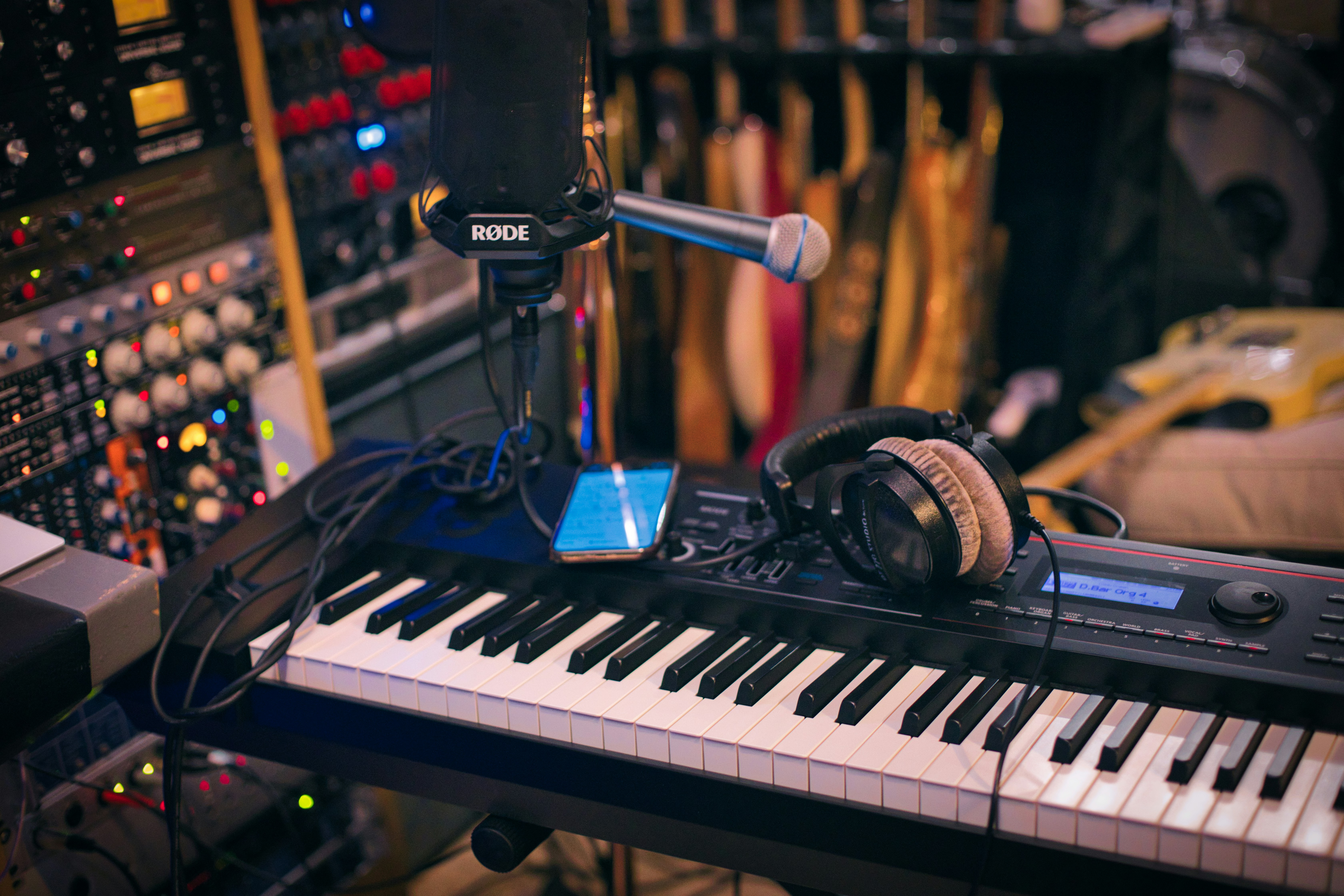
एआई के तेजी से बढ़ते कदम के बावजूद, इंसानी भावना और व्याख्या अभी भी किसी गीत के अर्थ को आकार देने में सबसे बड़ी भूमिका निभाती है। एआई रचनात्मक प्रक्रिया में सहायता कर सकता है, लेकिन यह संगीत के पीछे की व्यक्तिगत कहानियों और वास्तविक जीवन के अनुभवों की जगह नहीं ले सकता।
क्या लोग एआई आवाजों और इंसानी आवाजों में अंतर कर सकते हैं?
जैसे-जैसे आर्टिफिशियल इंटेलिजेंस अधिक उन्नत होता जा रहा है, श्रोताओं को हमेशा यह पता नहीं चल पाता है कि कोई आवाज़ किसी इंसान की है या एआई सिस्टम की। एक वैश्विक अध्ययन में पाया गया कि अधिकांश श्रोता इंसानी प्रदर्शन और एआई-जनरेटेड संगीत के बीच का अंतर भरोसेमंद तरीके से नहीं बता पाते हैं। यह मौलिकता को लेकर होने वाली चर्चा को और अधिक जटिल बना देता है।
यदि दर्शक यह नहीं बता पाते कि संगीत कैसे बनाया गया है, तो यह नए सवाल खड़े करता है कि किसी गायकी के प्रदर्शन को क्या सार्थक बनाता है और कलाकार श्रोताओं के साथ बनने वाले भावनात्मक जुड़ाव की रक्षा कैसे कर सकते हैं।
एआई की मदद से बने संगीत का मालिक कौन है?
संगीत निर्माण में एआई का उपयोग नए कानूनी सरोकार भी पैदा करता है। जब एआई किसी धुन को बनाने में मदद करता है या जब कोई परिवर्तित आवाज़ किसी वास्तविक व्यक्ति से मिलती-जुलती होती है, तो स्वामित्व को परिभाषित करना कठिन हो जाता है। कॉपीराइट कानून अभी भी इस बदलाव की गति को पकड़ने की कोशिश कर रहा है।
कानूनी विद्वान जो एआई और संगीत की ध्वनि की जांच कर रहे हैं, वे बताते हैं कि लेखकत्व, आवाज़ की समरूपता और इंसानी प्रदर्शनों पर प्रशिक्षित एआई मॉडल, ये सभी संगीतकारों के लिए नई चुनौतियाँ पैदा करते हैं। जैसे-जैसे रचनात्मक कार्यों में एआई का उपयोग आम होता जा रहा है, ये मुद्दे गायकों और गीतकारों दोनों के लिए मायने रखते हैं।
जब एआई वॉयस क्लोनिंग वास्तविक कलाकारों की पहचान से जुड़ जाती है, तो श्रेय किसे दिया जाए, यह जानना और भी जटिल हो जाता है। हाल के विवाद, जैसे कि जॉर्जा स्मिथ जैसी दिखने वाली एआई-जनरेटेड आवाज़ का उपयोग करने के लिए चुनौती दिया गया एक वायरल ट्रैक, यह उजागर करते हैं कि कैसे एआई रचनात्मक स्वामित्व की सीमाओं को बहुत जल्दी धुंधला कर सकता है। इस तरह के मामले बताते हैं कि जब एआई उपकरण किसी कलाकार के काम में योगदान देते हैं या उसकी नकल करते हैं, तो उद्योग को श्रेय, सहमति और उचित मान्यता के बारे में अधिक स्पष्ट नियमों की आवश्यकता क्यों है।
कैसे एआई संगीत उपकरण गायकों को तेजी से काम करने और अधिक रचनात्मक बनने में मदद कर रहे हैं
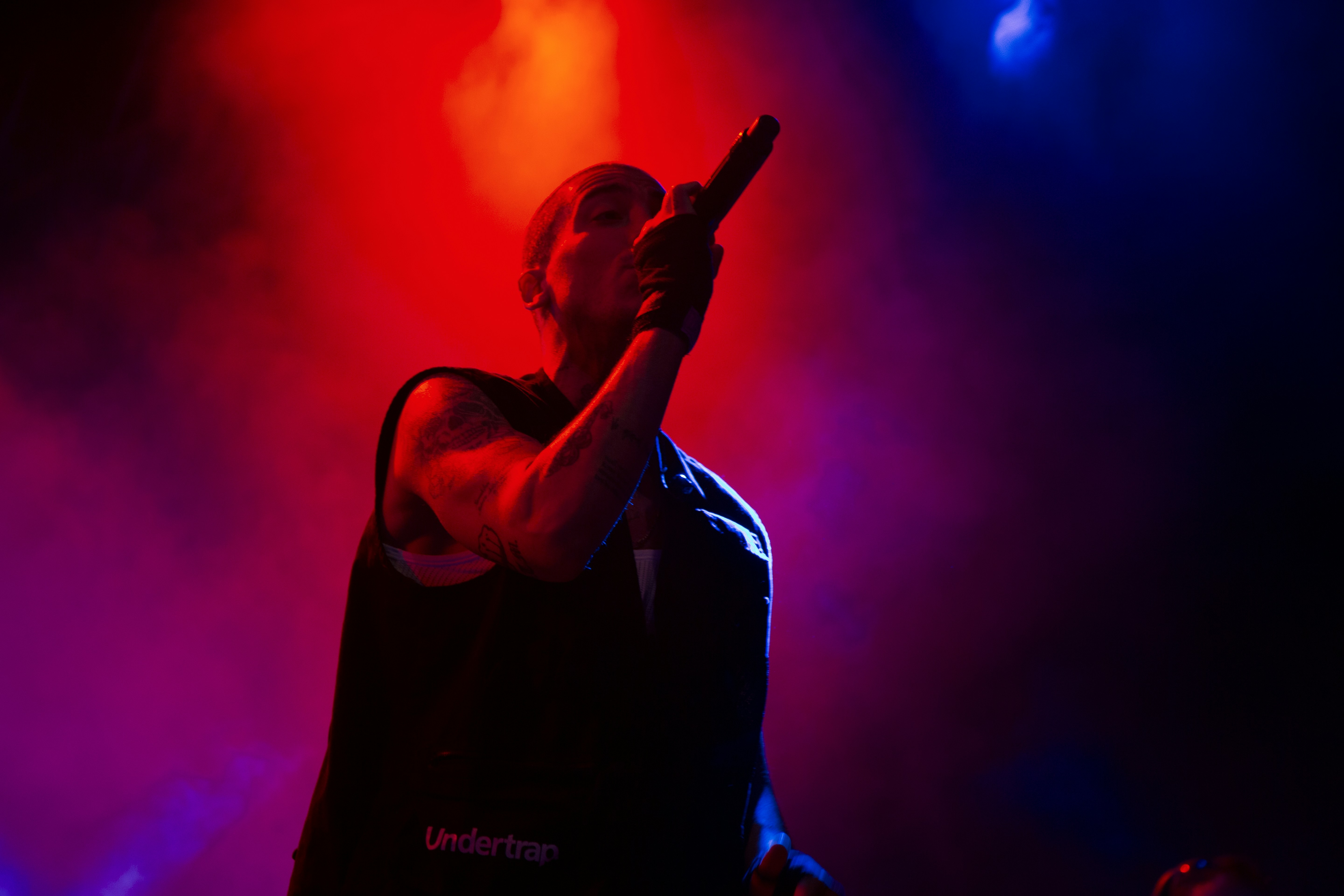
एआई का उपयोग केवल स्वामित्व और दुरुपयोग से जुड़े जटिल मुद्दों तक ही सीमित नहीं है। ऐसे कई उपकरण हैं जो विशेष रूप से गायकों और गीतकारों को उनकी रचनात्मक प्रक्रिया में सहायता करने के लिए बनाए गए हैं, जिससे उन्हें अपने विचारों को अधिक स्वतंत्र रूप से तलाशने और अधिक कुशलता से काम करने में मदद मिलती है। जब जिम्मेदारी से उपयोग किया जाता है, तो एआई एक नैतिक रचनात्मक प्रक्रिया का हिस्सा बन सकता है जो संगीत के पीछे के मानवीय तत्व को प्रतिस्थापित करने के बजाय कलात्मक संभावनाओं का विस्तार करता है।
एआई वॉयस टेक्नोलॉजी के साथ उच्च गुणवत्ता वाले डेमो वोकल्स
रचनात्मक प्रक्रिया में एआई का सबसे बड़ा लाभ तेजी से डेमो निर्माण है। एआई वॉयस चेंजर्स गायकों और निर्माताओं को बिना किसी पूर्ण रिकॉर्डिंग सत्र के विश्वसनीय रूप से वास्तविक डेमो वोकल्स बनाने की सुविधा देते हैं।
निर्माता क्रिस डेल कैमिनो ने अपने गायक की आवाज़ का क्लोन बनाने और अपनी खुद की गाइड आवाज़ को उसकी शैली में बदलने के लिए Kits.ai की वॉयस तकनीक का उपयोग किया। इससे गायक को अंतिम टेक रिकॉर्ड करने से बहुत पहले ही ट्रैक की भावना, स्वर और शैली को सुनने का मौका मिल गया।
तत्काल हार्मनी और बैकग्राउंड वोकल्स
एआई सेकंडों में हार्मनी उत्पन्न कर सकता है, बैकग्राउंड वोकल्स और वोकल स्टैक बना सकता है। गायक मैन्युअल रूप से कई परतें रिकॉर्ड किए बिना नए अरेंजमेंट देख सकते हैं या संगीत में नया टेक्सचर जोड़ सकते हैं। यह संगीत निर्माण की गति बढ़ाता है और अधिक प्रयोगों को बढ़ावा देता है।
नई गायकी शैलियों और रचनात्मक दिशाओं की खोज
एआई उपकरण गायकों के लिए वैकल्पिक गायकी शैलियों, भावनात्मक प्रस्तुतियों या स्वर के बदलावों का परीक्षण करना आसान बनाते हैं। उदाहरण के लिए, एक इलेक्ट्रॉनिक संगीत निर्माता अपने फोन पर रिकॉर्ड किए गए एक साधारण डेमो वोकल को ले सकता है और Kits.AI की 160 से अधिक वोकल शैलियों और शैलियों की वॉयस लाइब्रेरी का उपयोग करके, उस एकल टेक को सैकड़ों विविधताओं में बदल सकता है ताकि वह टोन या स्टाइल पा सके जो उनके ट्रैक के लिए सबसे उपयुक्त है।
रचनात्मक प्रक्रिया के दौरान वोकल स्वास्थ्य की रक्षा करना
आर्टिफिशियल इंटेलिजेंस गायकों को एआई-जनरेटेड विविधताओं का उपयोग करके विचारों का खाका तैयार करने की सुविधा देकर उनकी आवाज़ की रक्षा करने में मदद कर सकता है। यह गायकों को अपनी ऊर्जा पर ध्यान केंद्रित करने की अनुमति देता है जहां यह सबसे अधिक मायने रखती है और एक मांग वाली संगीत की दुनिया में दीर्घकालिक वोकल स्वास्थ्य का समर्थन करती है।
संगीत निर्माण में एआई गीतकारों को उनकी रचनात्मक प्रक्रिया में कैसे सहायता करता है

राइटर ब्लॉक को दूर करना
जेनरेटिव एआई नए गीतात्मक विचार, मधुर पंक्तियाँ या हार्मोनिक दिशाएँ प्रदान कर सकता है जो लेखकों को रचनात्मक बाधाओं को दूर करने में मदद करती हैं। यह संगीत निर्माण के शुरुआती चरणों के दौरान एक लचीले विचार-मंथन सहयोगी के रूप में कार्य करता है। ये उपकरण लेखकों को अटके हुए विचारों को फिर से नया रूप देने या किसी अवधारणा को एक नए कोण से देखने में भी मदद कर सकते हैं, जिससे अक्सर अप्रत्याशित सफलताएँ मिलती हैं।
विभिन्न मूड, शैलियों और संरचनाओं की खोज
एआई सिस्टम यह परीक्षण करना आसान बनाते हैं कि कोई गीत अलग-अलग मूड या शैलियों में कैसा महसूस होता है। लेखक तुरंत गहरे, चमकीले या अधिक ऊर्जावान बदलावों को आज़मा सकते हैं, जिससे वे कई कोणों से संगीत के विचारों का पता लगा सकते हैं।
गायक के बिना मजबूत डेमो बनाना
एआई-जनरेटेड गाइड वोकल्स गीतकारों को गायक उपलब्ध न होने पर भी पूर्ण डेमो बनाने की अनुमति देते हैं। इससे सहकार्य आसान हो जाता है और रचनात्मक प्रक्रिया सुचारू रूप से चलती रहती है।
संगीतकार यह भी सीख रहे हैं कि संगीत में एआई के बारे में उन्हें क्या जानने की आवश्यकता है क्योंकि एआई उपकरण संगीत शिक्षा और गीत लिखने के सत्रों का एक बड़ा हिस्सा बनते जा रहे हैं।
एआई संगीत उपकरणों में नैतिकता, सहमति और जिम्मेदारी

सहमति-आधारित वॉयस मॉडल कलाकार की पहचान की रक्षा कैसे करते हैं
नैतिक एआई सिस्टम सहमति पर निर्भर करते हैं। वॉयस मॉडल केवल संबंधित गायकों की अनुमति से ही प्रशिक्षित किए जाने चाहिए। यह कलाकारों की रक्षा करता है और यह सुनिश्चित करता है कि उनकी आवाज़ और पहचान उनके नियंत्रण में रहे।
Kits.ai पर, हम नैतिक वॉयस क्लोनिंग की अपनी व्याख्या में इस दृष्टिकोण का विवरण देते हैं, जो स्पष्ट करता है कि कैसे जिम्मेदार एआई तकनीक रचनाकारों का समर्थन कर सकती है।
Kits अपने Earn Program के माध्यम से भी कलाकारों का समर्थन करता है, जो गायकों को Kits लाइब्रेरी में अपनी आवाज़ रखने और प्रत्येक डाउनलोड या उपयोग से मुनाफे का हिस्सा प्राप्त करने की अनुमति देता है। यह गायकों को उनके योगदान से लाभ उठाने का एक स्पष्ट और निष्पक्ष तरीका प्रदान करता है, साथ ही उत्पादकों को उच्च गुणवत्ता वाले, नैतिक रूप से प्राप्त वोकल विकल्पों तक पहुंच प्रदान करता है।
स्ट्रीमिंग प्लेटफॉर्म और चार्ट पर एआई का प्रभाव
स्पॉटिफ़ाई और एप्पल म्यूजिक जैसे स्ट्रीमिंग प्लेटफॉर्म पहले से ही एआई के बढ़ने पर प्रतिक्रिया दे रहे हैं। कुछ एआई-निर्मित गाने प्लेलिस्ट और चार्ट चर्चाओं तक पहुंच गए हैं, जो तकनीकी उद्योग और संगीत व्यवसाय में एक बड़े बदलाव का संकेत देते हैं।
ये प्रवृत्तियाँ पहले से ही स्ट्रीमिंग चार्ट पर दिखाई देने वाले एआई-जनरेटेड गानों के बारे में होने वाली चर्चाओं में दिखाई दे रही हैं, जो इस बात पर प्रकाश डालती हैं कि कैसे एआई संगीत वितरण और खोज के भविष्य को आकार दे रहा है।
संगीत निर्माण में एआई के वास्तविक फायदे और नुकसान
जहां एआई संगीत उपकरण रचनाकारों की मदद करते हैं
एआई रचनाकारों की इस प्रकार मदद कर सकता है:
उनके वर्कफ़्लो को गति देकर
नई रचनात्मक संभावनाओं की पेशकश करके
प्रयोग को आसान बनाकर
उच्च गुणवत्ता वाले डेमो की बाधाओं को कम करके
संगीत उपकरणों तक पहुंच का विस्तार करके
अच्छी तरह से उपयोग किया जाने पर, संगीत निर्माण में एआई रचनात्मकता को बढ़ा सकता है और कलाकारों को नई दिशाएं तलाशने में मदद कर सकता.
जहां मानव संगीतकार अपूरणीय बने हुए हैं
उन्नत एआई सिस्टम भी इनकी जगह नहीं ले सकते:
भावनात्मक अभिव्यक्ति
व्यक्तिगत कहानी
वास्तविक जीवन का अनुभव
कलात्मक स्वाद
वास्तविक समय में व्याख्या
ये मानवीय गुण संगीत के भावनात्मक प्रभाव को आकार देते हैं और एआई के लिए इनकी नकल करना असंभव बना रहता है।
रचनात्मक प्रक्रिया में एआई का सोच-समझकर उपयोग करना
जो कलाकार एआई उपकरणों का सोच-समझकर उपयोग करना सीखते हैं, वे मानवीय भावनाओं को एआई की गति और लचीलेपन से जोड़ सकते हैं। क्या हमारे लिए एआई का दुरुपयोग करने या उस पर अत्यधिक निर्भर रहने के तरीके हैं? हाँ। लेकिन संगीत निर्माण में एआई के उपयोग के फायदे और नुकसान को समझना आपको अधिक निपुण और कुशल संगीतकार, निर्माता, गीतकार या गायक बनने में मदद करेगा।
एआई संगीत के निर्माण के तरीके को बदल रहा है, लेकिन संगीत में इसकी भूमिका तब सबसे अच्छा काम करती है जब यह कलाकारों की जगह लेने के बजाय उनका समर्थन करती है।
एआई टूल्स का उपयोग करते समय क्या ध्यान रखें
जैसे ही आप अपने रचनात्मक काम में एआई का उपयोग करना शुरू करते हैं, यह ध्यान देना आवश्यक है कि प्रत्येक प्लेटफ़ॉर्म डेटा, लाइसेंसिंग और उपयोग के अधिकारों को कैसे संभालता है। विश्वसनीय उपकरणों को स्पष्ट रूप से यह बताना चाहिए कि उनके मॉडल कैसे प्रशिक्षित किए जाते हैं और उनका डेटा और फाइलें सहमति देने वाले कलाकारों से आती हैं।
आपको किसी प्लेटफ़ॉर्म की लाइसेंस शर्तों की भी समीक्षा करनी चाहिए ताकि यह समझा जा सके कि आपके इनपुट और आउटपुट का उपयोग, साझाकरण या संग्रहण कैसे किया जा सकता है। कुछ एआई उपकरण आपके अपलोड किए गए ऑडियो का पुनरुद्देश्य करने या अपने मॉडल को आगे प्रशिक्षित करने के लिए इसका उपयोग करने के अधिकार सुरक्षित रख सकते हैं। नैतिक प्लेटफॉर्म इन नीतियों के बारे में स्पष्ट होते हैं और उपयोगकर्ताओं को पूरा नियंत्रण देते हैं कि उनके कंटेंट को कैसे संभाला जाए।
निष्कर्ष
गायकों और गीतकारों के लिए, संगीत पर एआई के प्रभाव को एक शक्तिशाली रचनात्मक साधन के रूप में एआई का लाभ उठाने के अवसर के रूप में सबसे अच्छी तरह समझा जा सकता है। संगीत के भविष्य को उन कलाकारों द्वारा परिभाषित किया जाएगा जो सोच-समझकर एआई का उपयोग करते हैं, अपनी कलात्मक पहचान की रक्षा करते हैं, और उन भावनात्मक सच्चाइयों से जुड़े रहते हैं जिन्हें केवल वे ही व्यक्त कर सकते हैं।
Kits.ai नैतिक उपयोग, पारदर्शिता और निष्पक्षता पर आधारित एआई सिस्टम का निर्माण करके इस भविष्य को गले लगाता है। जिम्मेदार एआई के प्रति उनका दृष्टिकोण सहमति-संचालित वॉयस मॉडल, जिम्मेदार डेटा हैंडलिंग और उन कलाकारों को मुआवजा देने की प्रतिबद्धता पर जोर देता है जिनकी आवाज़ या योगदान उपकरणों को आकार देने में मदद करते हैं। यह दर्शन सुनिश्चित करता है कि एआई नवाचार कलाकारों की कीमत पर नहीं, बल्कि उनके साथ बढ़े, जिससे एक अधिक स्वस्थ और स्थायी रचनात्मक पारिस्थितिकी तंत्र का निर्माण हो।
जस्टिन लॉस एंजिल्स के एक कॉपीराइटर हैं, जिनके पास संगीत उद्योग में 16 से अधिक वर्षों का अनुभव है, उन्होंने हिट टीवी शो और फिल्मों के लिए संगीत तैयार किया है, व्यापक रूप से लाइसेंस प्राप्त ट्रैक का निर्माण किया है, और शीर्ष संगीत प्रतिभाओं का प्रबंधन किया है। अब वे ब्रांडों और कलाकारों के लिए आकर्षक कॉपी लिखते हैं, और अपने खाली समय में पेंटिंग, वेटलिफ्टिंग और फुटबॉल खेलने का आनंद लेते हैं।