

Qu'est-ce que la musique électronique : exploration de son histoire, de ses caractéristiques et de ses sons
Apprenez ce qu'est la musique électronique, comment elle s'est développée et ce qui définit son son, des premiers pionniers comme Schaeffer et Kraftwerk aux producteurs d'EDM et d'hyperpop d'aujourd'hui. Comprend des présentations de genres, des conseils de production et comment utiliser les outils Kits pour les flux de travail électroniques modernes.
(Mise à jour : Depuis le 16 octobre 2026, le Vocal Generator de Kits propose de nouvelles fonctionnalités. Découvrez la version actuelle avec le Lead Vocal Generator. Les références au Vocal Generator ci-dessous décrivent la version précédente.)
La musique électronique n’est pas simplement un genre — c’est un univers entier fait de circuits, de samples et de la croyance inébranlable que n'importe quel son peut devenir de la musique si on tourne les boutons de la bonne manière. Que vous soyez un auditeur curieux, un tout nouveau producteur de chambre ou quelqu'un qui a accidentellement passé toute la nuit à s'amuser avec des préréglages de synthétiseur (cela arrive), ce guide vous explique d'où vient le genre, ce qui le définit et comment il est fabriqué aujourd'hui.
Introduction : Qu’est-ce que la musique électronique ?
À la base, la musique électronique est n'importe quel style construit principalement à l'aide d'instruments électroniques : synthétiseurs, boîtes à rythmes, échantillonneurs, ordinateurs et — aujourd'hui plus que jamais — outils alimentés par l'IA. Pensez à un son fait de mathématiques, d'électricité et d'un peu de chaos.
Mais l'appeler un seul « genre » revient à appeler l'océan tout entier « une grande flaque d'eau ». La musique électronique contient des dizaines de sous-genres — EDM, house, techno, ambient, synth-pop, future bass, hyperpop et les innombrables micro-sous-styles sur lesquels vous tomberez à 3 heures du matin sur YouTube. La musique électronique est souvent décrite comme un terme générique qui couvre de nombreux genres et styles musicaux différents, chacun ayant ses propres caractéristiques et influences uniques.
La production de musique électronique est plus accessible et passionnante que jamais. Grâce aux progrès technologiques, toute personne passionnée de musique peut plonger dans l'univers de la musique électronique et commencer à créer ses propres morceaux depuis chez elle. Que vous soyez intéressé par la création de rythmes hypnotiques, l'exploration de nouveaux genres de musique électronique ou l'expérimentation d'instruments électroniques de pointe, il y a une place pour vous dans cette scène vibrante.
En tant qu'aspirant producteur de musique électronique, il est essentiel de comprendre les bases de la production musicale — cela comprend l'apprentissage de votre station de travail audio numérique (DAW), l'exploration de différents genres de musique électronique et l'apprentissage de l'utilisation d'instruments électroniques classiques et modernes. Dans ce guide, nous vous accompagnerons à travers les éléments essentiels de la production de musique électronique, depuis la création de votre premier rythme jusqu'au partage de votre morceau finalisé avec le monde entier.
Caractéristiques fondamentales de la musique électronique
Des synthétiseurs partout
Nappes, plucks, basses, leads — les synthétiseurs font tout. Une caractéristique essentielle des synthétiseurs dans la musique électronique est leur capacité à générer et à manipuler une large gamme de sons, permettant aux artistes de créer des sonorités et des textures uniques qui définissent le genre.
Boîtes à rythmes et rythmes numériques
Des kicks 808 vintage aux cymbales trap modernes, les rythmes électroniques proviennent de machines, et non de batteries enregistrées par micro. Les instruments numériques et analogiques tels que les boîtes à rythmes sont des outils essentiels utilisés pour produire de la musique dans les genres électroniques, permettant aux artistes de créer des rythmes uniques et d'expérimenter une large gamme de sons.
Boucles, couches et répétition
Les morceaux se construisent souvent à partir de boucles — de petites idées répétées, superposées et sculptées pour devenir des morceaux complets. De nombreux morceaux de musique électronique sont construits en superposant plusieurs pistes, chacune ajoutant du rythme, de la mélodie ou des effets pour créer un son riche. Se concentrer sur la finalisation d'une chanson à la fois peut aider les producteurs à développer leurs compétences et à acquérir une expérience précieuse.
Échantillonnage et culture du remix
Extrayez de l'audio de vieux disques, d'enregistrements de terrain, de films ou d'autres pistes. Découpez-le. Étirez-le. Retournez-le.
L'échantillonnage a joué un rôle majeur dans des genres comme le hip-hop, où les producteurs utilisent des samples pour faire de la musique en créant de nouveaux morceaux à partir de sons existants. Cette approche est devenue une méthode populaire pour faire de la musique dans de nombreux styles électroniques. (Et lorsque vous avez besoin de pistes séparées propres ? Le Stem Splitter de Kits est un véritable sauveur.)
Le traitement vocal comme outil créatif
Voix électroniques = une partie instrument, une partie émotion.
Effets de hauteur, décalages de formant, rythmes hachés, réverbérations denses — tout y passe.
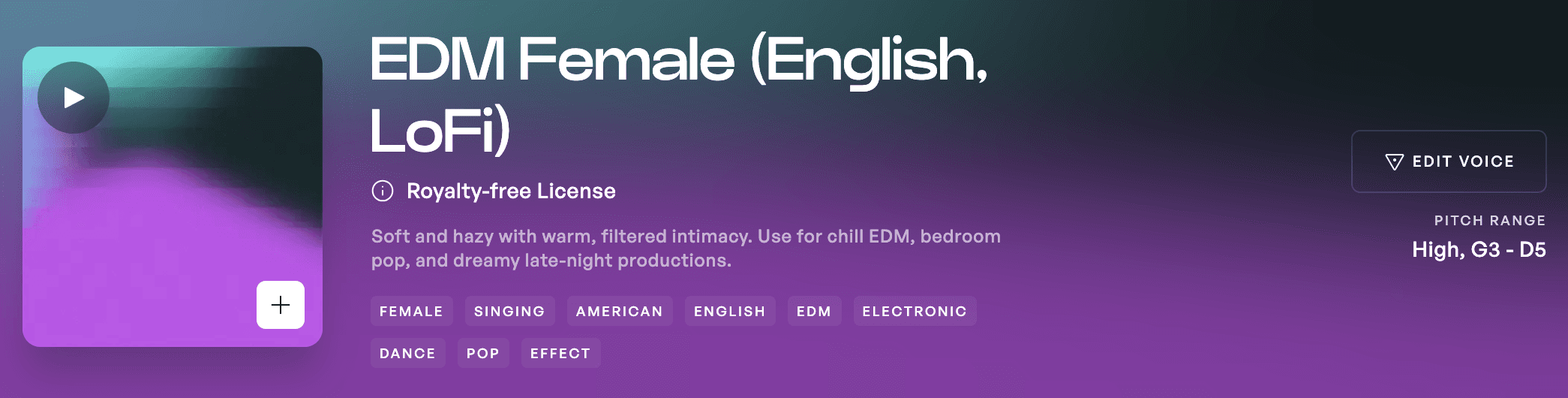
Essayez des voix de Kits comme EDM Female (English, Pop), EDM Male (English, LoFi) ou Pop Female (English, Disco, Belted) pour obtenir instantanément des sonorités prêtes pour l'électro — toutes conçues avec une réponse transitoire propre, une clarté brillante qui ressort dans le mix et une dynamique flexible idéale pour les effets.
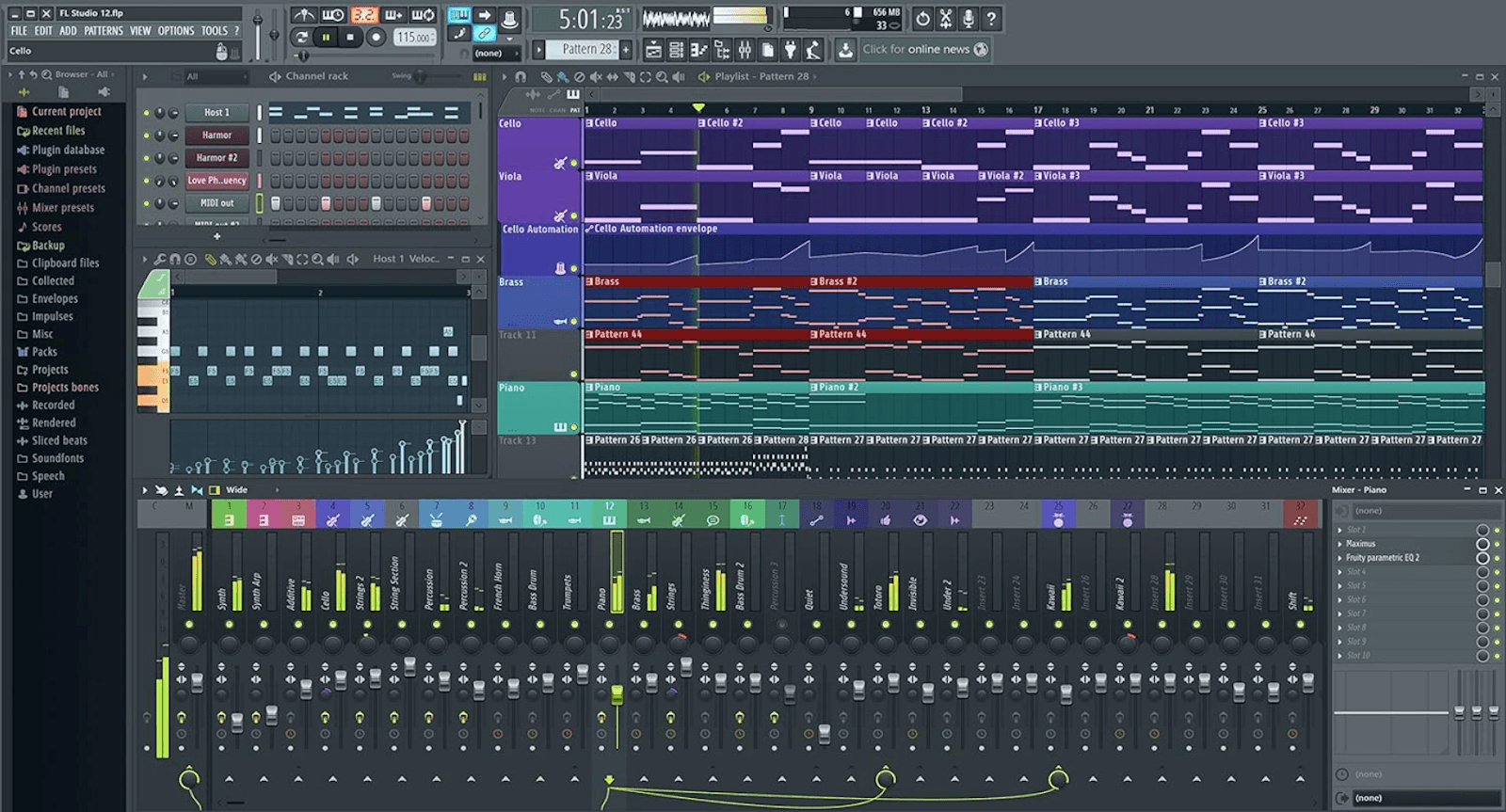
Une session type de musique électronique dans FL Studio.
Une brève (mais amusante) histoire de la musique électronique
1. Boucles de bande et étrangetés de laboratoire (années 1940-1960)
La musique électronique a commencé comme une pure expérimentation, presque comme des projets d'expo-sciences sonores. Les premiers pionniers manipulaient des magnétophones, des oscillateurs et des circuits électroniques rudimentaires.
Les premières expériences de musique électronique associaient souvent des orgues électriques, des instruments traditionnels et d'autres instruments pour créer de nouveaux sons.
Parmi les pionniers notables, on trouve :
Pierre Schaeffer — père de la « musique concrète », utilisant des bruits de trains, de moteurs et des sons du monde réel comme matière musicale.
Karlheinz Stockhausen — un novateur dont les œuvres électroniques d'avant-garde ont influencé tout le monde, des Beatles à Aphex Twin.
Daphne Oram & Delia Derbyshire (BBC Radiophonic Workshop) — magiciennes des premiers synthétiseurs, responsables d'œuvres emblématiques comme le thème de Doctor Who.
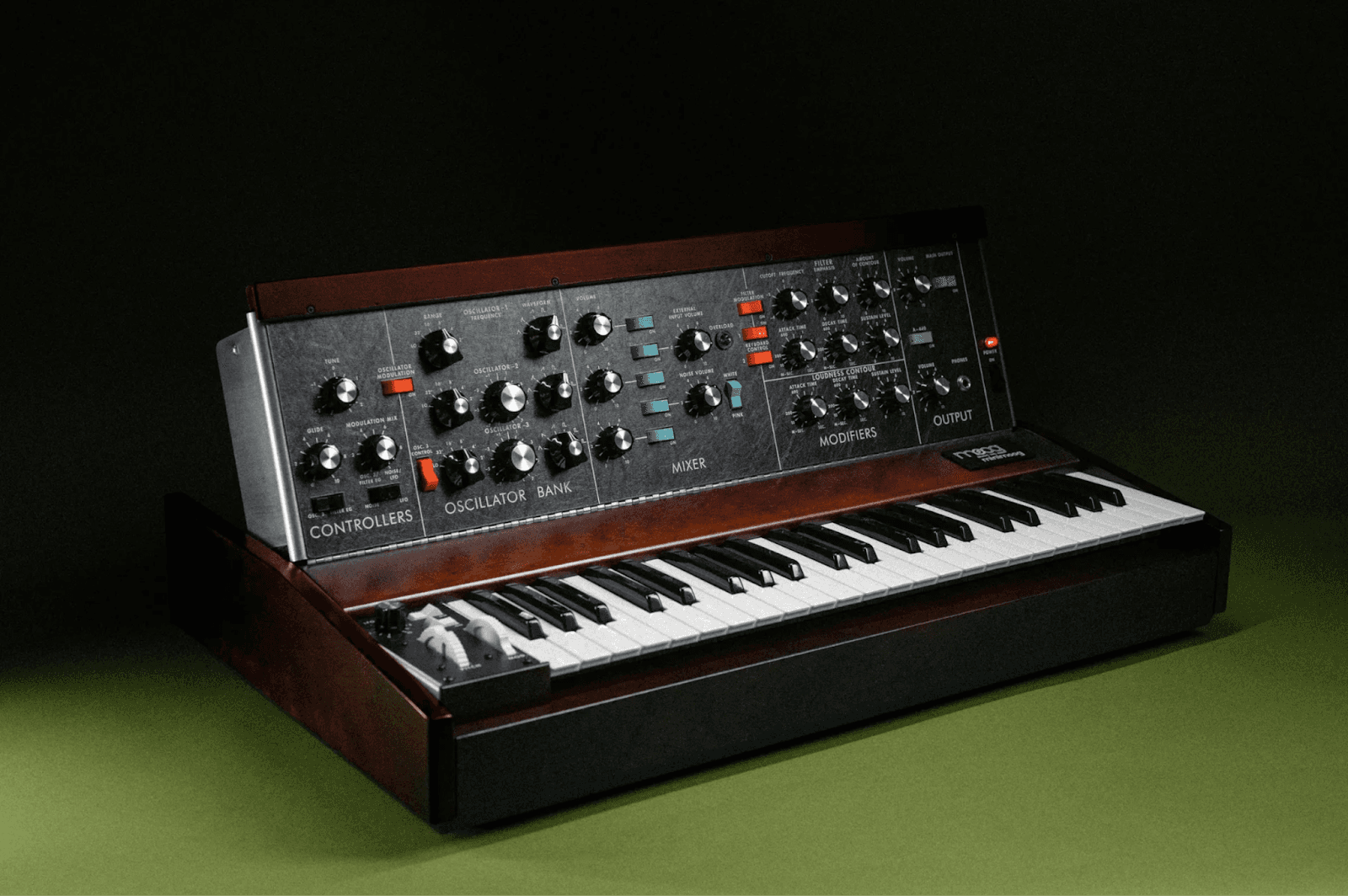
Le Moog MiniMoog est un synthétiseur classique sorti pour la première fois dans les années 1970 et toujours largement utilisé dans les productions de musique électronique aujourd'hui.
2. La révolution du synthétiseur (années 1970-1980)
Puis sont arrivés les synthétiseurs analogiques : Moog, Buchla, Roland. Les synthétiseurs analogiques, en particulier le synthétiseur Moog, ont joué un rôle pionnier dans la création de nouveaux sons au cours de cette période, permettant aux artistes d'explorer des textures sonores innovantes et d'élargir les possibilités de la musique électronique. Des artistes comme Kraftwerk, Brian Eno, Jean-Michel Jarre et Giorgio Moroder ont façonné l'avenir avec une précision mécanique et des sons électroniques chauds et pulsés.
Cette époque a donné naissance à la synth-pop, à l'ambient et à l'ADN primitif de la musique de club.
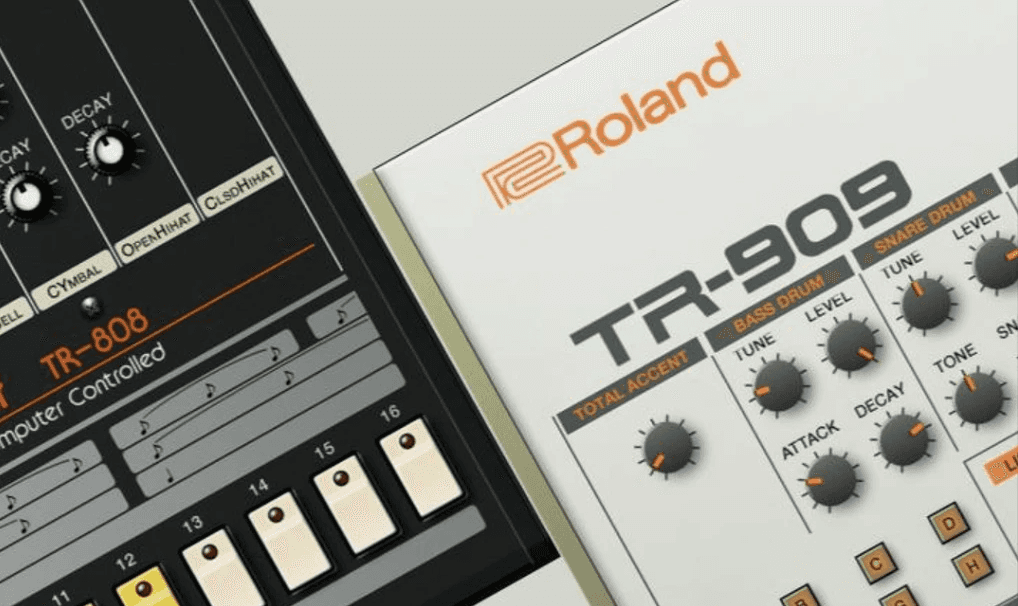
Les Roland TR-808 et TR-909 sont deux boîtes à rythmes analogiques qui ont été élevées au rang de légendes dans le monde de la musique électronique. Elles ont posé des bases cruciales pour les rythmes et les sons percussifs entendus des années 1980 à l'ère moderne.
3. House, Techno & Rave Culture (années 1980-1990)
Chicago a inventé la house. Détroit a créé la techno. Le Royaume-Uni a construit la culture rave autour d'elles. Des boîtes à rythmes abordables comme la TR-808 et la TR-909 ont façonné le son : des kicks percutants, des charleys syncopés et une répétition hypnotique. Dans ces styles de musique de danse, un motif de batterie solide et une ligne de basse captivante sont essentiels, fournissant la fondation rythmique et mélodique qui entraîne le groove et l'énergie du morceau.
Pour rendre les choses plus concrètes, voici quelques artistes clés des débuts pour chaque courant :
House (Chicago)
Frankie Knuckles – « Le parrain de la House », résident au Warehouse.
Larry Heard (Mr. Fingers) – pionnier de la deep house chaleureuse (« Can You Feel It »).
Marshall Jefferson – a aidé à définir le genre avec des hymnes house portés par le piano.
Techno (Détroit)
Juan Atkins – largement reconnu comme le créateur de la techno de Détroit.
Derrick May – techno futuriste et émotionnelle (« Strings of Life »).
Kevin Saunderson – membre du groupe des « Belleville Three » et créateur d'Inner City.
Rave / Breakbeat / Scène britannique (UK)
The Prodigy – icônes de la rave agressives et survoltées.
Orbital – duo électronique mélodique et hypnotique lié au début du mouvement rave.
The Chemical Brothers – pionniers du big beat qui ont fait le pont entre la rave et la dance grand public.
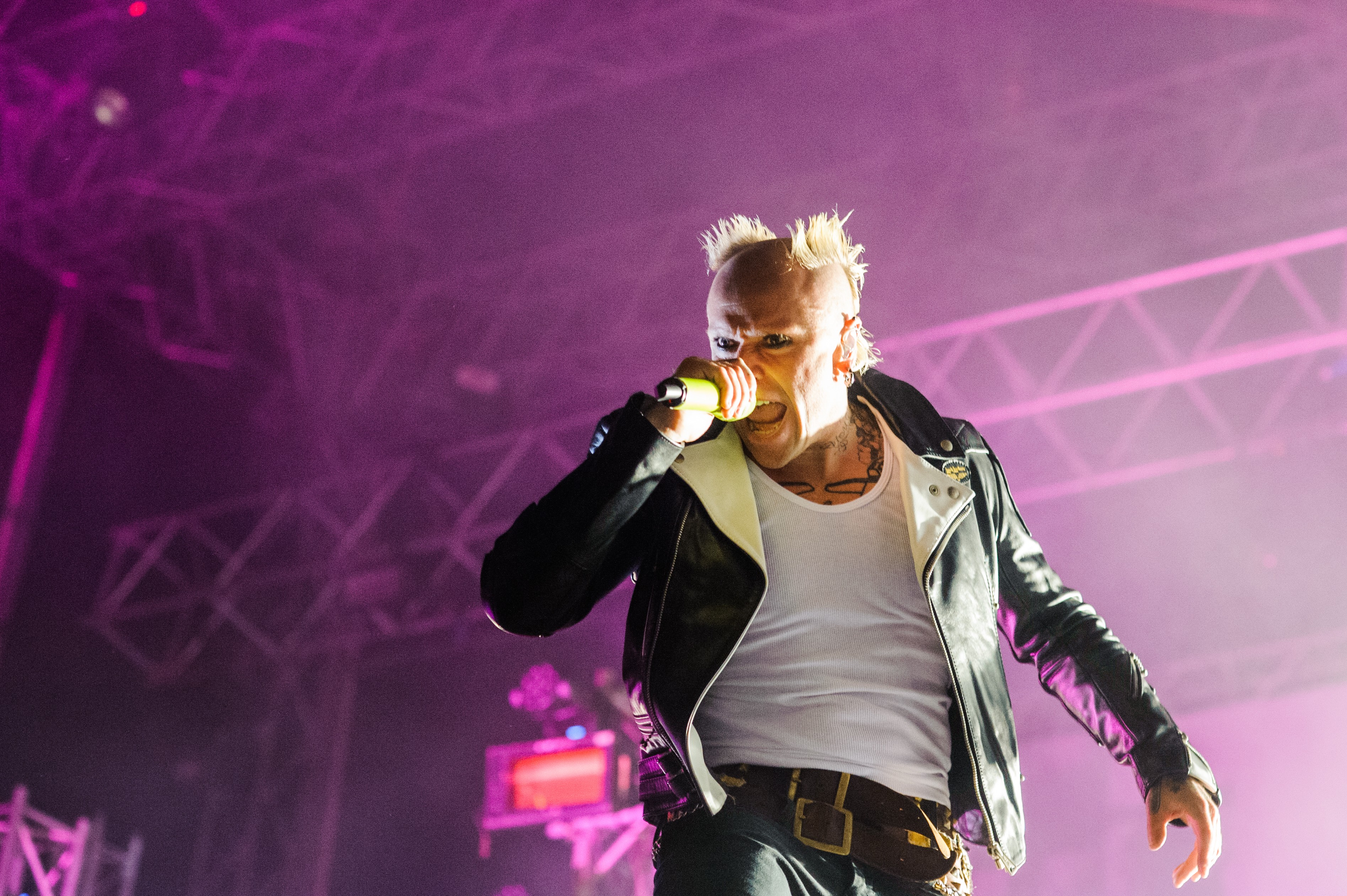
Keith Flint de The Prodigy a émergé de la scène rave britannique dans les années 90.
Le UK garage est né de cette scène dynamique, connu pour son tempo de 120-130 BPM et son motif de kick caractéristique « four-on-the-floor » (quatre temps), le distinguant de la house, de la trance et du hardcore. De plus, la musique dub, développée en Jamaïque par des pionniers comme King Tubby et Lee 'Scratch' Perry, a apporté des techniques expérimentales d'enregistrement et de remixage qui ont profondément influencé les scènes électronique et hip-hop britanniques.
Ces scènes n’ont pas évolué de manière isolée — elles se sont nourries mutuellement, se sont croisées et ont contribué à façonner l’explosion mondiale de la musique électronique au cours des décennies qui ont suivi.
4. Le boum de l'EDM : géant, bruyant et pailleté (années 2000-2010)
Les festivals ont explosé. Les leads de type super-saw ont pris le dessus. L'EDM est devenue un phénomène culturel mondial porté par des artistes comme Avicii, Skrillex, Calvin Harris et Deadmau5. À cette époque, la musique de danse électronique (musique EDM) a fortement influencé la musique pop, ses sonorités et ses styles de production dominant les classements grand public et façonnant la direction des succès populaires dans le monde entier.
5. Aujourd'hui : Producteurs de chambre, drops TikTok et sous-genres infinis
Les outils sont devenus moins chers, les ordinateurs portables ont gagné en puissance, et aujourd'hui des millions de producteurs créent des morceaux dans leur chambre — utilisant souvent des outils d'IA comme le Stem Splitter de Kits pour créer des samples, une tâche qui prenait autrefois des heures.
Grâce aux nouvelles technologies et au faible coût des outils de production numérique, les artistes indépendants peuvent désormais produire et diffuser de la musique électronique depuis chez eux, en utilisant les plateformes en ligne et les réseaux sociaux pour toucher un public mondial.
Si quelqu'un des années 1950 voyait votre session Ableton, il s'évanouirait.
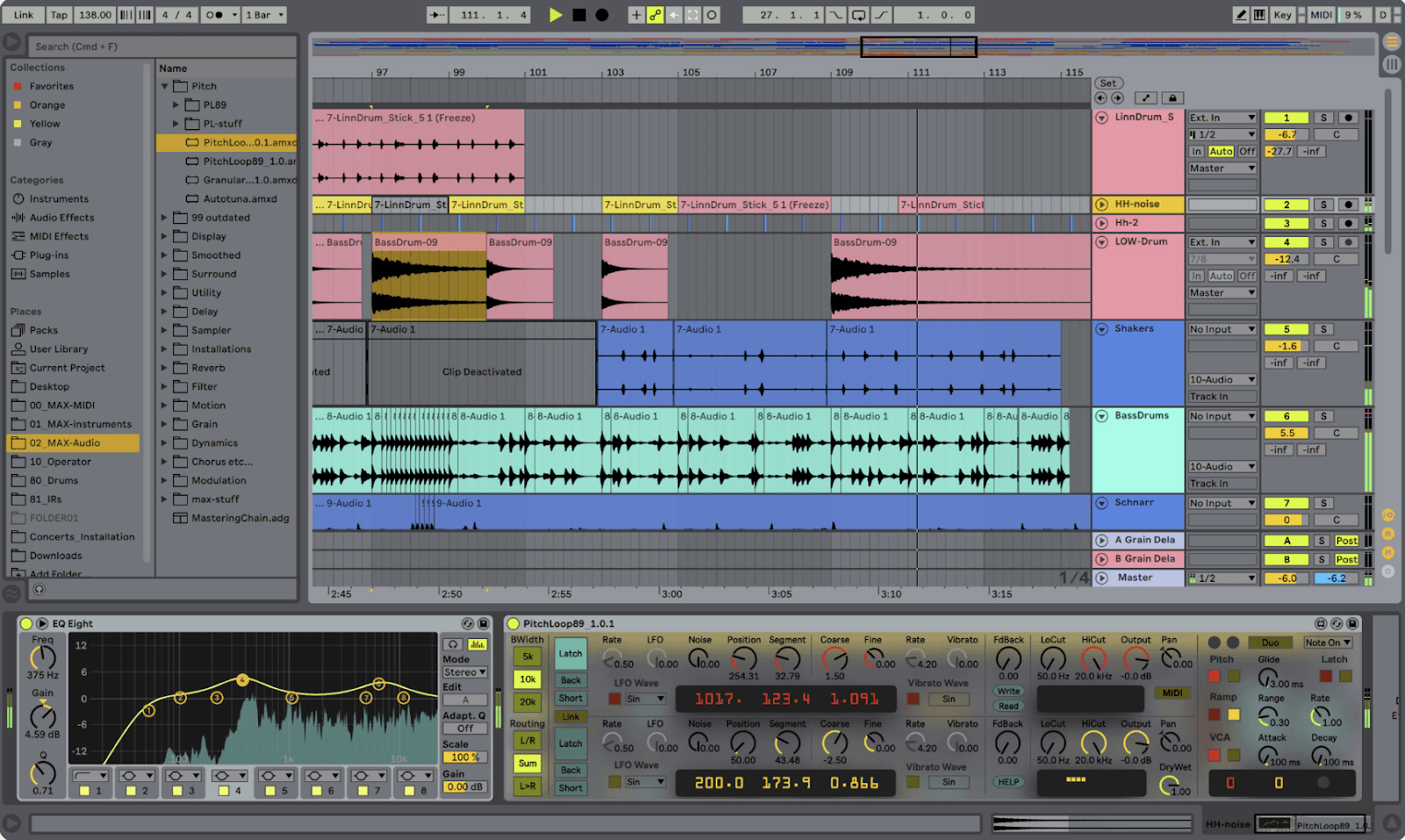
Comment se fait la musique électronique aujourd’hui
1. Commencer avec un DAW
Ableton, FL Studio, Logic — votre DAW est le centre de commande pour organiser les boucles, concevoir les sons et mixer. Les DAW populaires comme Ableton Live et Logic Pro sont des logiciels conçus pour la production de musique électronique. De nombreux DAW proposent des essais gratuits, permettant aux nouveaux producteurs de les tester avant de s'engager.
2. Construire les éléments fondamentaux
Accords / Nappes (Pads)
Batterie / Rythmes
Ligne de basse
Accroche principale (Lead Hook)
Voix (ou pas !)
Un contrôleur MIDI, tel qu'un clavier ou un pad de batterie, peut être utilisé pour jouer des instruments virtuels et saisir des notes directement dans votre DAW, ce qui facilite la création et l'arrangement de ces éléments de base.
Générateur Vocal de Kits associé à un modèle de voix de type EDM est un moyen rapide de poser une idée mélodique avant même d'avoir ouvert un plugin.
3. Conception sonore (Sound Design) et effets
Compression sidechain, montées de réverbération, distorsion granuleuse, balayages de filtres — c'est là que la musique électronique acquiert son identité.
4. Arrangement et flux d'énergie
Les grooves de la house se construisent lentement, l'EDM réclame un drop massif, la techno se nourrit de tension, l'ambient s'en moque éperdument.
5. Raccourcis modernes
Les producteurs s'appuient désormais sur des préréglages (presets), des packs de samples, des motifs MIDI et des outils d'IA pour accélérer leur flux de travail.
Comme la musique électronique évolue rapidement — et que les outils modernes vous aident à suivre le rythme — il est judicieux de regarder des tutoriels pour apprendre à utiliser ces outils efficacement.
La vie d'un producteur d'EDM
Pour de nombreux mélomanes, devenir producteur d'EDM est le métier de rêve par excellence. Imaginez passer vos journées à créer une musique de danse entraînante, à construire des lignes de basse puissantes et à concevoir des sons qui embrasent les scènes des festivals et les pistes de danse des clubs. Les producteurs d'EDM s'appuient sur une panoplie d'instruments électroniques — comme des boîtes à rythmes, des synthétiseurs et des stations de travail audio numériques (DAW) — pour donner vie à leur vision musicale.
Mais il ne s'agit pas seulement d'équipement ; une solide compréhension de la théorie musicale, notamment des progressions d'accords, des éléments mélodiques et du rythme, est essentielle pour créer des morceaux qui résonnent vraiment. Les meilleurs producteurs d'EDM, de David Guetta à Calvin Harris, ont maîtrisé l'art d'associer des mélodies accrocheuses à des rythmes entraînants et à une conception sonore innovante. Que vous travailliez sur votre premier morceau ou que vous visiez la scène principale, comprendre le processus de création et les outils du métier est ce qui distingue un grand producteur d'EDM.
Genres électroniques populaires (Tour d'horizon rapide)
House : Groovy, chaleureuse, construite autour d'un kick régulier à chaque temps (four-on-the-floor).
Exemple d'artiste : Disclosure (house britannique moderne avec des voix fluides et une production soignée)
Techno : Entraînante, mécanique, hypnotique.
Exemple d'artiste : Carl Cox (une figure incontournable de la techno mondiale connue pour ses sets survoltés)
Drum & Bass : Breakbeats, subs massifs, précision chirurgicale
Exemple d'artiste : Goldie (un pionnier de la DnB atmosphérique et influencée par la jungle)
Ambient : Évolutive, atmosphérique, sans rythme ou minimaliste
Exemple d'artiste : Brian Eno (largement reconnu comme le père de la musique ambient moderne)
EDM : Énergie de festival, drops épiques, voix éclatantes
Exemple d'artiste : Calvin Harris (hymnes en tête des classements conçus pour les foules immenses)
Hyperpop : Saturée de glitchs, voix modifiée (pitch-shifted), futuriste
Exemple d'artiste : 100 gecs (maximaliste, expérimental et résolument chaotique)
Essayez de concevoir votre premier morceau électronique
Si vous êtes prêt à vous lancer :
Générez des idées vocales avec le Générateur Vocal de Kits
Essayez des voix adaptées à l'électro comme EDM Female (English, Pop) ou Pop Male (English, Synth)
Créez des samples individuels avec le Stem Splitter
Utilisez le Convertisseur de Voix pour transformer vos propres voix en textures électroniques folles
La musique électronique récompense l'expérimentation — et Kits est conçu pour vous aider à explorer.
Conclusion
La musique électronique a toujours été une affaire de curiosité — d'artistes repoussant les limites, bricolant de nouveaux outils et découvrant de nouvelles façons de façonner le son. Des boucles de bande et des premiers laboratoires de synthétiseurs aux producteurs de chambre d'aujourd'hui et aux scènes de festivals mondiaux, le genre continue d'évoluer parce que les gens adorent expérimenter. Et le meilleur dans tout ça ? Vous n'avez pas besoin d'un studio géant ou de décennies de formation pour vous lancer. Avec les DAW modernes, les bibliothèques de samples et les outils créatifs comme Kits AI pour les voix, les accroches et la manipulation du son, tout le monde peut commencer à façonner ses propres idées électroniques. Alors explorez, peaufinez, superposez, automatisez, saturez et jouez — votre prochain grand morceau n'est peut-être qu'à une étincelle d'inspiration.