

인디 음악 vs. 얼터너티브 음악: 진짜 차이점은 무엇일까 (그리고 왜 모두가 이 주제로 논쟁할까)
인디 음악과 얼터너티브 음악의 설명, 실제 차이점, 공유된 역사, 사운드, 태도, 그리고 왜 이 두 라벨이 여전히 끝없는 논쟁을 불러일으키는지 탐구해 보세요.
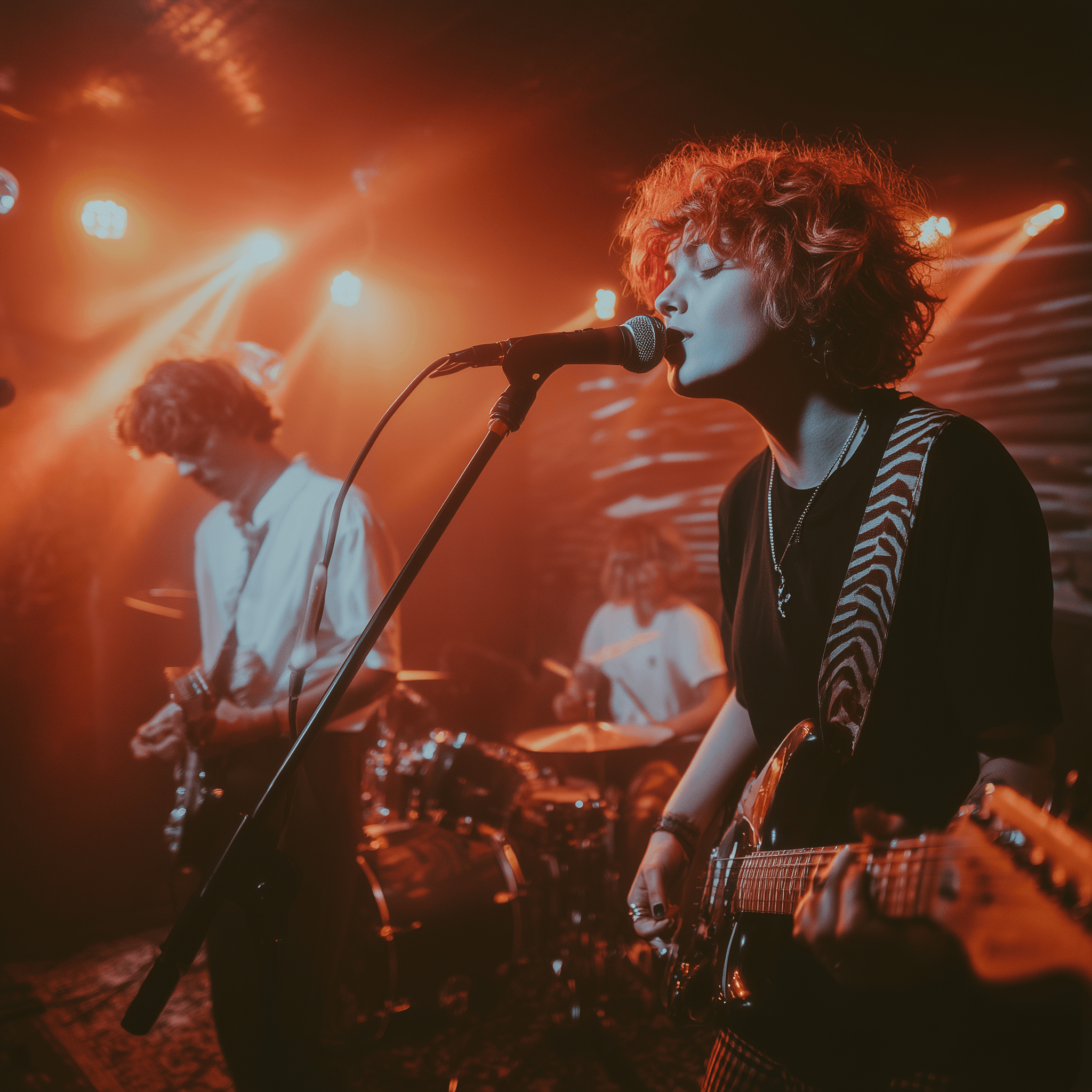
어떤 노래를 가리키며 자신 있게 "이건 인디야"라고 말했을 때, 누군가가 즉시 "아니, 그건 얼터너티브야"라고 반박한 적이 있다면, 축하합니다. 당신은 현대 음악에서 가장 완고한 논쟁 중 하나에 참여하신 것입니다.
인디와 얼터너티브는 전 세계에서 가장 널리 사용되는 두 가지 장르 레이블이지만, 아이러니하게도 가장 합의가 이루어지지 않은 두 장르이기도 합니다. 이 둘은 끊임없이 겹치며, 말하는 사람에 따라 의미가 달라지고, 어떤 시대냐에 따라 서로 다른 것을 설명하는 것처럼 보입니다. 그리고 솔직히 말해서? 바로 그 점이 핵심입니다.
재미를 반감시키지 않으면서 이 용어들이 어디서 유래했는지, 실제로 무엇을 의미하는지, 그리고 왜 여전히 중요한지 하나씩 파헤쳐 보겠습니다.
이 용어들이 이토록 혼란스러운 이유 (그리고 늘 그래왔던 이유)
혼란의 뿌리는 단순합니다. 인디도, 얼터너티브도 처음부터 사운드로 시작된 것이 아니기 때문입니다. 인디는 원래 음악이 대형 레이블 시스템 밖에서 어떻게 발매되었는지를 설명하는 말이었습니다. 반면, 얼터너티브는 그 시대의 주류에 반대되는 입장을 취한 음악을 뜻했습니다.
세월이 흐르면서 두 용어는 서서히 음향적 정체성, 문화적 기대감, 미학적 의미들을 탑재하게 되었습니다. 결국, 처음 시작은 그렇지 않았음에도 불구하고 장르처럼 기능하기 시작했습니다. 사람들이 이 용어들에 대해 끊임없이 논쟁하는 이유가 바로 이것입니다. 이들은 역사, 사운드, 가치관, 그리고 분위기를 동시에 이야기하고 있기 때문입니다.
인디 음악: 무엇보다 우선시되는 독립성
원래 인디(indie)는 독립(independent)의 약자였으며, 그 정의는 문자 그대로였습니다. 아티스트가 메이저 레이블의 지원 없이 음악을 발표하고, 자체적으로 유통을 담당하며, DIY 공연장에서 투어를 돌고, 주로 주류 산업 밖에서 존재했다면 인디로 간주되었습니다. 음악이 펑크든, 포크든, 노이즈든, 실험적인 록이든 상관없었습니다. 인디는 장르의 문제가 아니라 인프라의 문제였습니다.
인디는 원래 말 그대로의 의미였습니다
초기 인디 씬은 대학 라디오, 지역 공연, 자체 제작 굿즈, 소규모 레이블, 진(zine), 입소문을 통해 형성되었습니다. 이들을 하나로 묶어준 것은 공유된 사운드가 아니라 공유된 방식이었습니다. 인디는 시스템에서 벗어나 스스로 길을 찾아가는 과정 같은 느낌이었습니다.
인디가 서서히 자신만의 사운드를 형성한 과정
1990년대에 접어들면서 흥미로운 일이 일어나기 시작했습니다. 인디가 사운드적 카테고리로 의도된 것은 아니었음에도, 특정 특징들이 반복적으로 나타나기 시작한 것입니다. 인디 음반은 종종 친근하거나 불완전하게 들리는 보컬, 쟁글거리거나 가볍게 왜곡된 기타, 소박하고 가공되지 않았거나 의도적으로 다듬어지지 않은 듯한 프로덕션을 특징으로 삼았습니다. 가사는 개인적이고 관찰적이었으며, 약간 엉뚱하면서도 너무 애쓰지 않는 선에서 사려 깊은 경향이 있었습니다.
이 시대를 가장 잘 보여주는 완벽한 예는 페이브먼트(Pavement)입니다. 그들의 곡 Cut Your Hair는 비주얼에 집착하는 음악 문화를 비꼬면서도, 자유롭고 아이러니하며 힘들이지 않고 멋진 사운드를 들려주는 사실상의 선언문과 같습니다. 여기에서 들어보실 수 있습니다:
YouTube: Pavement가 게시한 Pavement - "Harness Your Hopes" (Official Music Video)
이 시점의 인디는 여전히 엄격한 규칙은 아니었지만, 분명히 알아볼 수 있는 뚜렷한 개성을 갖추게 되었습니다.
인디가 문화적 정체성으로 변화하다
2000년대에 들어서면서 인디는 단순한 발매 방식을 넘어 하나의 완전한 정체성이 되었습니다. 인터넷은 음악을 발견하는 방식을 완전히 바꾸어 놓았고, 어디에 있든 소규모 밴드가 전 세계 관객에게 도달할 수 있게 만들었습니다. 동시에 언더그라운드 음악은 더 이상 숨겨진 것처럼 느껴지지 않게 되었습니다. 인디는 아티스트가 대형 공연장을 매진시킬 때조차 취향, 진정성, 감정적인 솔직함을 대변하는 대명사가 되었습니다.
이 시대의 인디는 하나의 사운드로 정의되지 않았습니다. 대신 공통된 감수성으로 묶여 있었습니다. 인디 아티스트들은 완벽함보다는 감정의 표현을, 다듬어진 세련미보다는 개성을, 트렌드를 좇는 것보다는 창작의 자유를 우선시하는 경향이 있었습니다. 아케이드 파이어(Arcade Fire)의 웅장한 드라마틱함이든, 본 이베어(Bon Iver)의 고요한 고독이든, 혹은 맥 드마르코(Mac DeMarco)의 덤덤한 매력이든, 인디 음악은 무엇보다 개인적인 감정으로 먼저 다가왔습니다.

맥 드마르코는 세련미보다는 개성을 가치 있게 여기는 슬래커 록 미학을 지향합니다.
인디 음악이 여전히 가치 있게 여기는 것
본질적으로 인디 음악은 결과보다 의도를 계속해서 중요하게 여깁니다. 불완전함을 포용하고, 앨범이 천천히 변화하도록 내버려 두며, 화려한 볼거리보다는 친밀함을 선호하는 경우가 많습니다. 인디 음악은 공연이라기보다는 우연히 엿들은 생각처럼 느껴질 때가 많아, 청자를 사적인 감정의 공간으로 초대합니다. 어색하든, 취약하든, 반어적이든, 절제되어 있든 간에 그 친밀함이 바로 인디가 지속적인 매력을 갖는 이유입니다.
얼터너티브 음악: 대비와 영향력으로 정의되다
인디가 독립성에서 성장했다면, 얼터너티브는 반대 성향에서 성장했습니다. 얼터너티브 음악은 원래 주류 팝이나 록의 관습에 깔끔하게 맞아떨어지지 않는 사운드를 지닌 아티스트들을 설명하는 말이었습니다. 인디와 달리, 레이블의 지위나 DIY 에토스가 일차적인 핵심은 아니었습니다. 당시 라디오를 지배하던 음악보다 더 다르게, 더 크게, 더 기이하게, 더 무겁게, 혹은 더 감정적으로 격동하는 사운드를 내는 것이 핵심이었습니다.
얼터너티브는 대비 속에서 번창합니다. 다이내믹, 긴장감, 극단을 활용하며 고요함과 시끄러움, 깨끗함과 왜곡됨, 절제와 폭발 사이를 수시로 넘나듭니다. 인디가 주로 내면을 향한다면, 얼터너티브는 대개 외부로 투사하는 경향이 있습니다.
공간감은 그 차이를 듣는 가장 쉬운 방법입니다
인디와 얼터너티브를 구분하는 가장 명확한 방법 중 하나는 대중성이 아니라 음악이 얼마나 거대하게 느껴지는가 하는 '공간감'입니다. 인디 음악은 헤드폰이나 친밀한 방 안에 어울리는 것처럼 작고 가깝게 느껴지는 경우가 많습니다. 반면 얼터너티브 음악은 대개 더 넓은 다이내믹, 더 묵직한 프로덕션, 그리고 강렬한 타격감을 주도록 설계된 파트를 갖추어 더 큰 공간을 위해 만들어진 것처럼 느껴집니다.
이를 정의하는 대표적인 예는 너바나(Nirvana)의 Smells Like Teen Spirit입니다. 이 곡의 폭발적인 에너지는 얼터너티브 록을 주류 밖에서 단숨에 전 세계 주류 시장으로 끌어올렸으며, 그 파급력은 여전히 설명하기 조차 벅찹니다.
YouTube: Nirvana가 게시한 Nirvana - Smells Like Teen Spirit (Official Music Video)
그 곡은 단순히 다르게 들렸던 것이 아니라, 피할 수 없는 소리로 들렸습니다.
소리의 거대한 우산으로서의 얼터너티브
얼터너티브는 특정 제작 예산이나 발매 전략에 얽매이지 않습니다. 대신 태도와 파급력으로 정의됩니다. 얼터너티브 음악은 펑크의 긴박함, 인디의 감정적 깊이, 일렉트로닉의 실험성, 메탈의 공격성, 그리고 팝의 구조적 본능을 모두 흡수합니다. 이 모든 것을 하나로 묶어주는 것은 사운드를 통해 한계를 뛰어넘고 감정을 증폭시키려는 의지입니다.
얼터너티브 음악은 거대한 제스처, 대담한 프로덕션 선택, 혹은 극적인 톤의 변화를 두려워하지 않습니다. 성장과 규모의 확장은 타협으로 여겨지지 않으며, 오히려 목표의 일부인 경우가 많습니다.
인디와 얼터너티브가 충돌하는 지점
가장 흥미로운 아티스트들 중 일부는 인디와 얼터너티브가 겹치는 바로 그 경계선에 살고 있습니다. R.E.M., 더 내셔널(The National), 악틱 몽키즈(Arctic Monkeys), 모디스트 마우스(Modest Mouse) 같은 밴드들은 인디의 가치관으로 시작했지만, 결국 얼터너티브 세계에 편안하게 자리 잡을 수 있을 만큼 확장성 있는 음악을 만들어냈습니다.
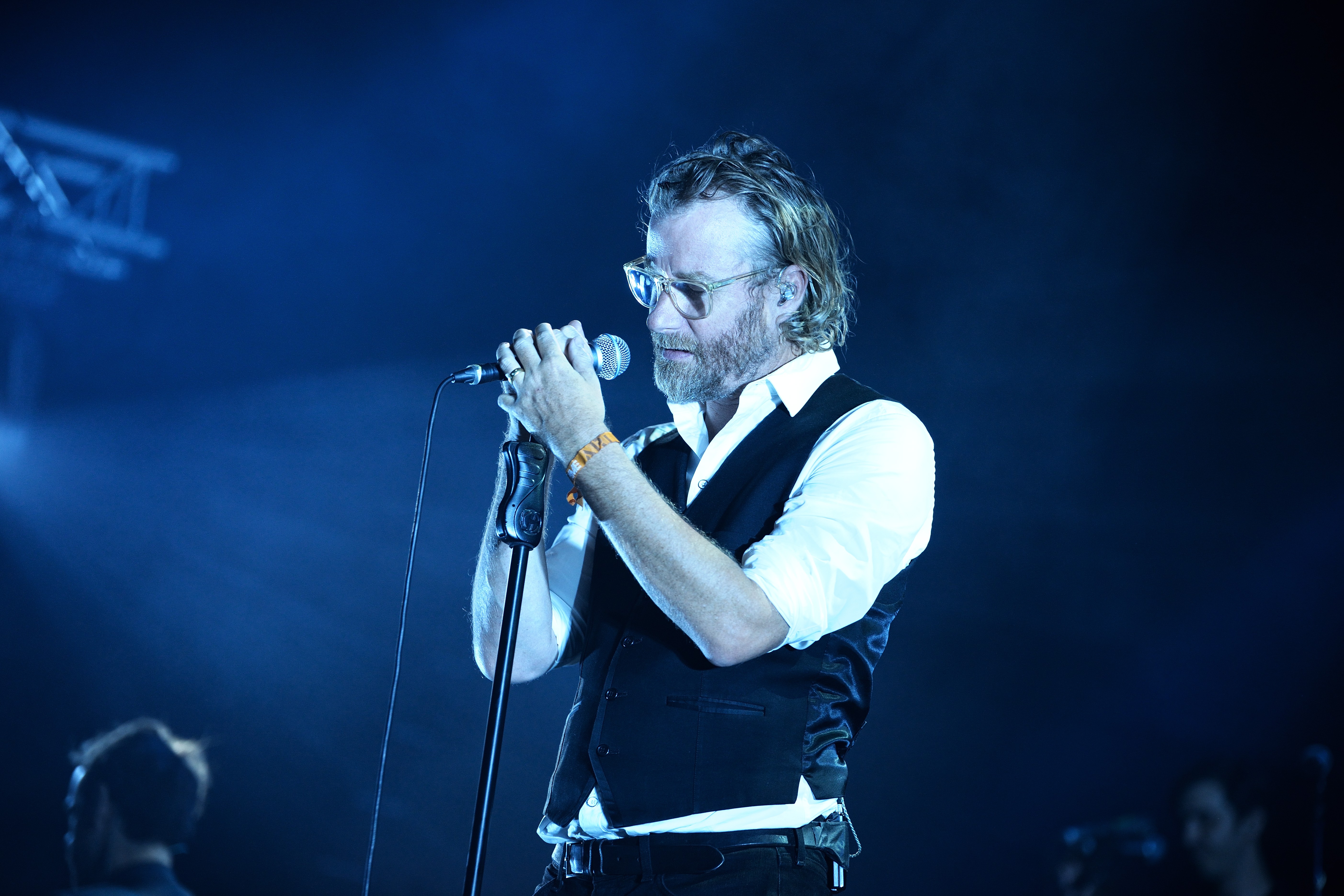
인디와 얼터너티브 장르에 걸쳐 있는 밴드 더 내셔널(The National)의 맷 버닌거(Matt Berninger).
이러한 중첩 때문에 이 논쟁은 결코 완전히 해결되지 않습니다. 인디는 주로 의도와 마음가짐을 설명하는 경향이 있는 반면, 얼터너티브는 사운드와 파급력을 설명합니다. 많은 아티스트가 곡, 앨범, 시대에 따라 강조점을 달리하며 두 가지를 동시에 구현합니다.
YouTube: Modest Mouse가 게시한 Modest Mouse - Float On (Official Music Video)
작곡, 프로덕션, 그리고 감정적 DNA
인디와 얼터너티브 모두 기술적인 완벽함보다 감정을 우선시하지만, 그 감정을 표현하는 방식은 다릅니다. 인디의 작곡은 종종 대화 나누듯 디테일에 초점을 맞추며, 내면의 순간들과 개인적인 관찰에 집중합니다. 프로덕션 선택은 미니멀리즘, 자연스러운 연주, 가깝고 인간적으로 느껴지는 보컬을 지향합니다.
얼터너티브 작곡은 대개 추상화, 볼륨, 텍스처를 사용하여 충격을 가하며, 다이내믹과 대비를 통해 감정을 전달합니다. 프로덕션은 왜곡(distortion), 극적인 전환, 캐릭터가 확실한 사운드 디자인을 아우르며 종종 더 대담한 편입니다. 그 차이는 퀄리티의 문제가 아니라, 감정이 얼마나 직접적으로 와닿는가에 있습니다.
쉽게 생각하는 방법
도움이 될 만한 간단한 요약은 다음과 같습니다. 인디는 독립성과 개성에 뿌리를 둔 마음가짐으로 기능하는 반면, 얼터너티브는 사운드적 반항과 감정적 스케일을 중심으로 구축된 장르로 기능한다는 점입니다. 이 둘은 끊임없이 겹치며, 그것이 원래 자연스러운 현상입니다.
마지막 생각: 레이블은 도구일 뿐, 규칙이 아닙니다
인디와 얼터너티브는 갇혀 있어야 할 틀이 아닙니다. 이들은 발견, 대화, 그리고 창작의 방향을 잡기 위한 도구입니다. 두 영역 모두에서 가장 중요한 아티스트들은 경계를 허물고, 기대를 거스르며, 단순히 카테고리에 맞추기보다는 진실된 무언가를 말하는 데 집중하는 이들입니다.
결국, 노래가 흘러나올 때 느껴지는 감정과 그 이면의 목소리에 비하면 레이블이 무엇인지는 그리 중요하지 않습니다.