A Loud, Riff-filled History of Rock Music
작성자
게시됨
2025년 12월 23일
Rock music didn’t arrive politely. It kicked the door open, plugged in an amp, and turned it up just a little too loud. What started as a collision of blues, country, gospel, and rhythm & blues became one of the most influential cultural forces of the last century, reshaping fashion, politics, youth culture, and the way we think about music itself.
Whether you’re a casual listener, a lifelong headbanger, or someone who’s ever tried to learn a power chord and immediately felt unstoppable, rock’s history is a story of rebellion, reinvention, and very loud guitars. Let’s take a walk through it, earplugs optional.

Robert Johnson was an early blues musician who some speculated sold his soul to the devil in exchange for his talent of singing/playing the blues.
The Roots: Blues, Gospel, and Rhythm (1920s–1940s)
Before rock had a name, it had a feeling.
Its DNA comes primarily from African American blues traditions: Delta blues, Chicago blues, and jump blues, where expressive vocals, call-and-response patterns, and emotionally charged lyrics were central. Artists like Robert Johnson, Muddy Waters, and Howlin’ Wolf laid the groundwork with gritty storytelling and guitar-driven arrangements that emphasized feel over polish. These blues traditions, along with gospel, country, and rhythm & blues, are considered earlier styles that influenced the development of rock.
At the same time, gospel music brought soaring vocals and spiritual intensity, while country and western contributed simple song structures and narrative songwriting. Rhythm & blues tied everything together with stronger backbeats and danceable grooves.
By the late 1940s, all the ingredients were there. All rock needed was a spark. The emergence of the first roll song and early roll hits would soon define the new genre and set the stage for rock music's explosive growth.

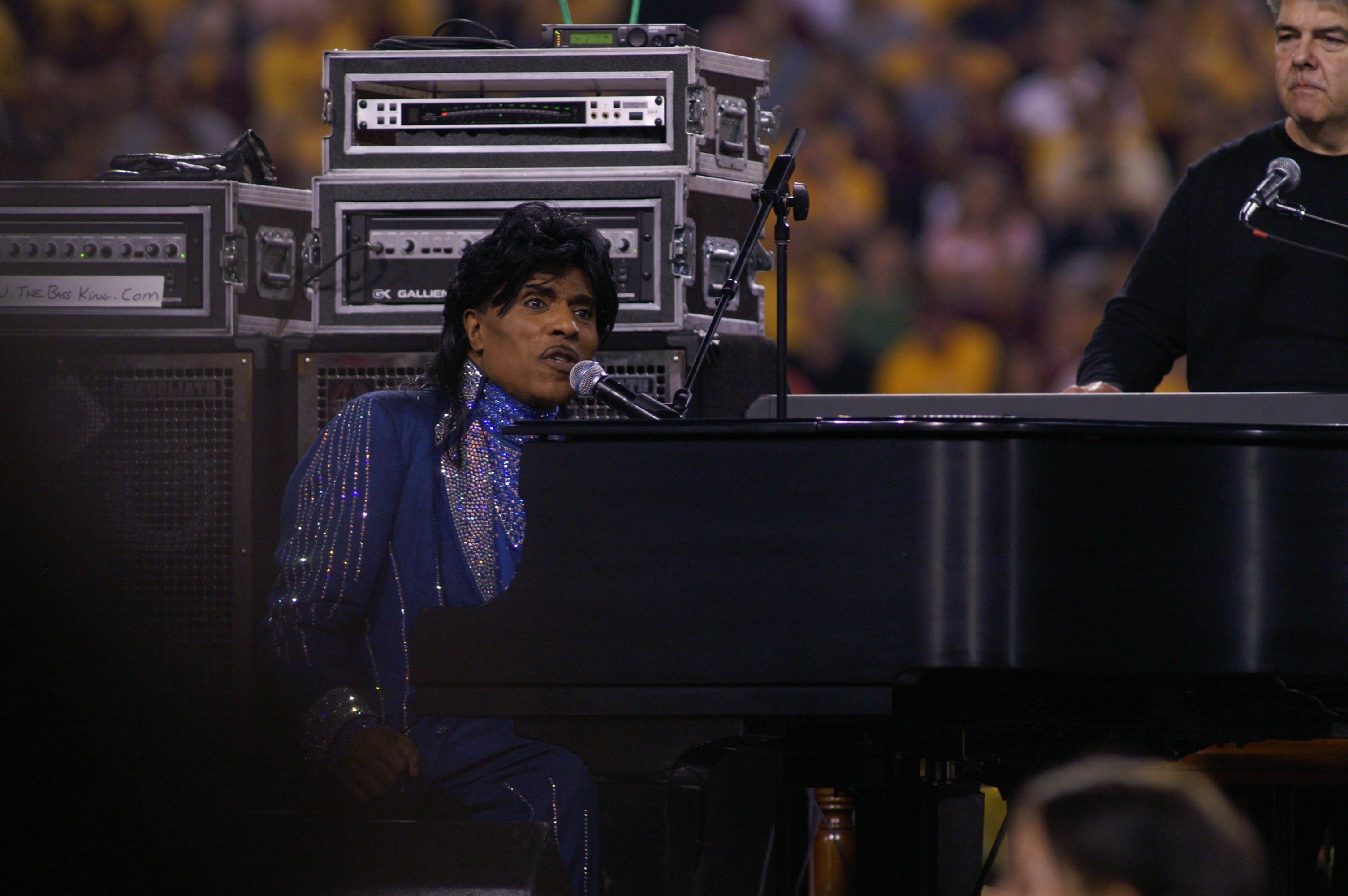
Little Richard brought the attitude and excitement of early Rock’n’Roll music.
Rock ’n’ Roll Is Born (1950s)
That spark arrived in the 1950s and it came with a backbeat.
Rock ’n’ roll emerged as a louder, faster, and more youth-driven version of R&B. It wasn’t just music; it was a cultural shockwave. Teenagers loved it. Parents… less so.
Artists like Chuck Berry fused blues phrasing with country-style guitar riffs, creating the blueprint for rock guitar. Little Richard brought wild energy and flamboyance, while Jerry Lee Lewis turned the piano into a percussive weapon. And of course, Elvis Presley helped bring rock into the mainstream, blending Black musical traditions with pop sensibility and undeniable charisma. The typical rock group consisted of three to five members, usually playing instruments such as electric guitar, electric bass, drums, and sometimes electric organ or piano.
Rock ’n’ roll became a symbol of rebellion, music that felt dangerous simply because it was new, loud, and fun. Unlike pop music, which was often singles-based and targeted at a broader, teen-oriented audience with lighter themes, rock music focused on album-oriented releases and more serious, sometimes controversial, subject matter.

Probably the most influential rock band of all time, the Beatles changed the game and are still cited as a major influence to a multitude of artists today.
The British Invasion & Rock Goes Global (1960s)
Just when America thought it owned rock, Britain sent it back louder and with accents.
The British Invasion of the early 1960s redefined rock music. British bands like The Beatles, The Rolling Stones, The Who, and The Kinks drew heavily from American blues and rock ’n’ roll, then reinterpreted it with their own flair.
YouTube: The Kinks - You Really Got Me (Official Audio) posted by The Kinks Official Channel
The Beatles demonstrated that rock could evolve rapidly from simple love songs to complex studio experiments in just a few years. The Rolling Stones leaned into raw blues grit, while The Who introduced explosive volume and youth-focused angst.
Meanwhile, rock in the U.S. was branching out. Folk rock (Bob Dylan going electric), surf rock, and psychedelic rock all emerged, reflecting social change, political unrest, and the growing influence of counterculture. The Beach Boys were pioneers of the surf music craze, shaping early instrumental and vocal surf rock and leaving a lasting influence on the 1960s American rock scene.
Rock was no longer just dance music. It was becoming art. This era also saw the emergence of many distinct rock genres, each with its own sound and cultural impact.

Jimi Hendrix, the legendary rock guitarist, often imitated, rarely surpassed.
Psychedelia, Protest, and the Album Era (Late 1960s–Early 1970s)
As the 1960s progressed, rock expanded sonically and philosophically.
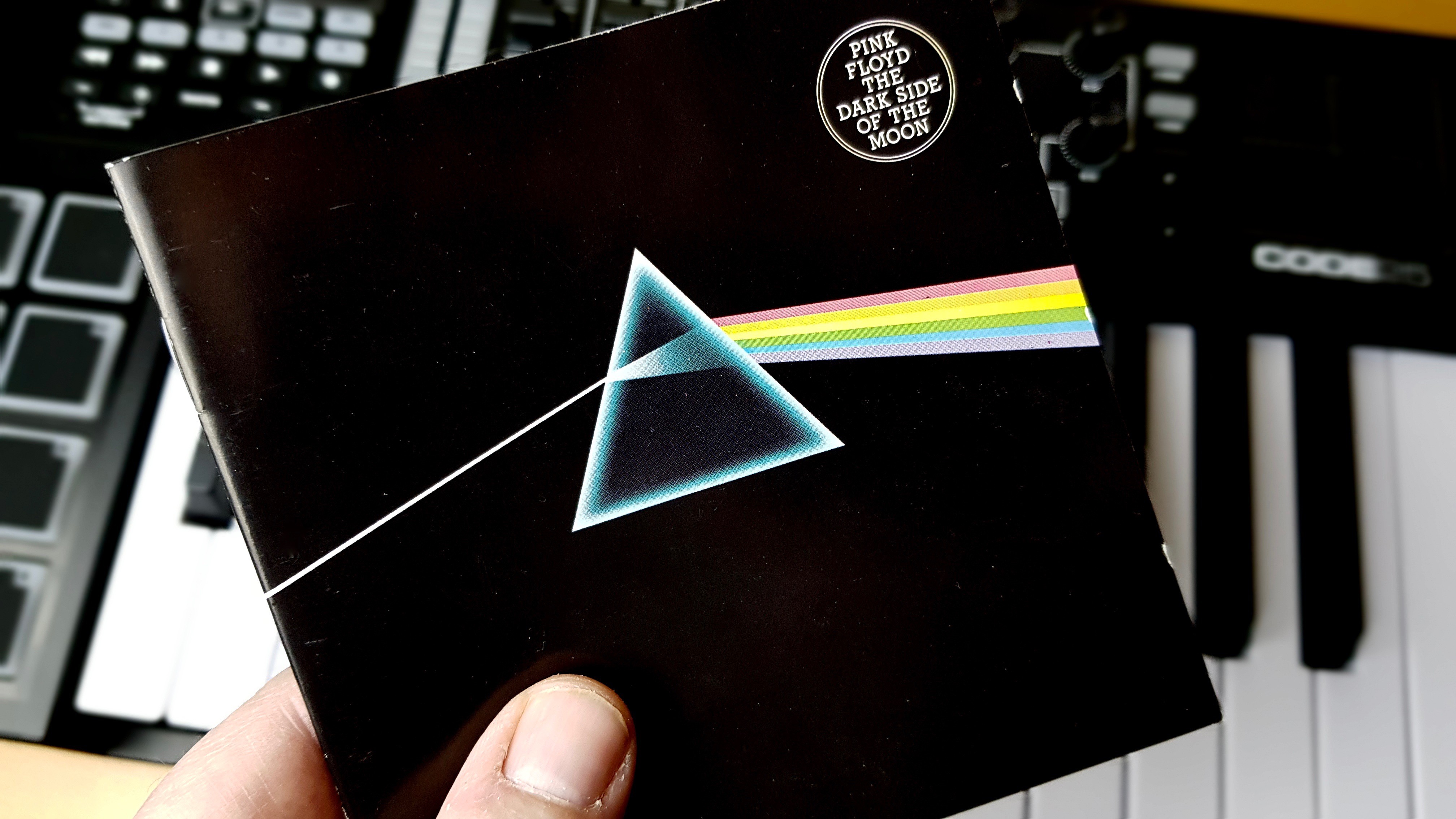
Psychedelic rock explored altered states and experimental production. Some bands also incorporated jazz influences, leading to the development of jazz-rock fusion and progressive rock that featured improvisation and complex arrangements. Artists like Jimi Hendrix, Pink Floyd, Jefferson Airplane, and The Doors pushed the limits of distortion, feedback, and studio effects. Songs got longer. Albums became immersive experiences rather than collections of singles.
At the same time, rock became inseparable from politics. Anti-war songs, civil rights anthems, and countercultural messages turned musicians into spokespeople for a generation.
By the early 1970s, rock had matured into multiple distinct paths, setting the stage for an explosion of diverse rock subgenres.

Black Sabbath are often credited as the purveyors of Hard Rock and eventually Heavy Metal.
Rock Splinters: Hard, Prog, and Glam (1970s)
The 1970s were rock’s era of excess and experimentation.
Hard rock and early heavy metal cranked up the volume and distortion. Bands like Led Zeppelin, Black Sabbath, and Deep Purple emphasized massive riffs, thunderous drums, and darker lyrical themes. This era laid the foundation for metal as we know it. British blues rock was also a major influence, with Eric Clapton emerging as a key figure whose pioneering guitar work shaped the sound of the era and inspired bands like Cream and Fleetwood Mac.
YouTube: Deep Purple - Smoke On the Water (Official Music Video) posted by Deep Purple Official
Progressive rock took the opposite approach, leaning into technical complexity and conceptual ambition. Yes, Genesis, and Rush wrote epic, multi-part songs filled with odd time signatures and virtuosic performances. Rock wasn’t just loud anymore,it was brainy.
Country rock and soft rock also rose to prominence during this decade. Country rock blended rock and roll with country music, with artists like the Eagles and Gram Parsons shaping its sound and influencing related styles such as Southern and roots rock. Soft rock, on the other hand, emphasized melody, harmonies, and acoustic instruments, with acts like Fleetwood Mac and Billy Joel achieving massive popularity by contrasting the genre’s gentler sound with the era’s harder styles.
Then came glam rock, which said: why not both? David Bowie, T. Rex, and Elton John blended catchy hooks with theatrical visuals, gender-bending fashion, and larger-than-life personas. Roxy Music also emerged as a pioneering art and glam rock band, influencing both the sound and visual presentation of the genre. Image became just as important as sound.
Rock had officially become a universe.

New York City’s The Ramones paved the way for the American Punk movement with their stripped back and aggressive sound, placing emphasis on emotion and energy as opposed to musical perfection and proficiency.
Punk Changes Everything (Late 1970s)
Then punk showed up and flipped the table. Punk music emerged as a revolutionary force, challenging mainstream conventions and inspiring a wave of new musical and cultural movements.
By the mid-to-late 1970s, rock had grown bloated. Punk rock was a reaction: short songs, simple chords, raw emotion, and zero patience for excess.
The Ramones stripped rock back to its essentials. The Sex Pistols weaponized controversy. The Clash proved punk could be political, musical, and globally influential.
YouTube: The Clash - Rock the Casbah (Official Video) posted by The Clash Official Channel
Punk wasn’t about technical skill, it was about urgency. It reminded everyone that rock didn’t need permission, perfection, or polish.
And once punk cracked the door open, anything could walk through. Punk's influence paved the way for New Wave acts that would define the next era.

Trading in big guitars and drums for synthesizers and drum machines, Depeche Mode and the New Wave movement helped usher in a new direction and definition for what rock music could mean.
New Wave, Alternative, and MTV (1980s)
The 1980s were a remix era for rock.
Post-punk and New Wave artists incorporated synthesizers, art-school aesthetics, and danceable rhythms. Bands like Talking Heads, The Cure, and Depeche Mode pushed rock into more experimental and emotional territory. The use of the drum machine became prominent, especially in industrial music, helping to create distinctive sounds by blending electronic elements with traditional rock instruments.
At the same time, MTV transformed how rock was consumed. Visuals mattered more than ever. Hair metal bands embraced big choruses and even bigger hairstyles, while guitar solos reached peak theatrics. The rise of pop rock brought catchy melodies and a radio-friendly sound, with artists like Bon Jovi and Poison helping to define the genre's mainstream appeal.
Meanwhile, underground scenes were quietly building the foundation for alternative rock: DIY ethics, college radio, and a rejection of mainstream gloss, with radio stations, especially at colleges and universities, playing a crucial role in promoting alternative and indie rock.
Rock was diversifying faster than ever, with a proliferation of new rock music genres emerging throughout the decade.

Distancing themselves from the over indulgent rock bands of the 80’s, Nirvana and other members of the Grunge movement embraced the raw energy of punk with attributes of classic rock songwriting, to create a genre that dominated the airwaves in the 90’s.
Grunge and Alternative Take Over (1990s)
In the early 1990s, alternative rock broke into the mainstream and it didn’t ask permission.
Grunge bands from the Pacific Northwest, like Nirvana, Pearl Jam, and Soundgarden, combined punk’s rawness with heavy riffs and introspective lyrics. Stone Temple Pilots also emerged as an influential band with a distinctive hard rock sound, harder than classic rock but not quite metal, setting them apart from grunge and true metal acts. Suddenly, vulnerability and distortion ruled the charts.
YouTube: Soundgarden - Black Hole Sun posted by Soundgarden Official Channel
Elsewhere, alternative rock splintered into countless styles: Britpop, indie rock, post-rock, each pushing back against commercial expectations in its own way.
Rock in the ’90s felt deeply personal, often cynical, and emotionally direct. It spoke to disillusionment, and millions listened.

With albums sharing diverse characters ranging from folk to electronic, Arcade Fire pushed the limits of what Indie Rock meant in the 2000’s and still are acknowledged as a highly influential band to this day.
Rock in the Digital Age (2000s–Today)
The 2000s brought massive change not just for rock, but for music itself.
File sharing, streaming, and home recording reshaped how bands formed and how fans discovered music. Indie rock thrived online. The digital age also saw the emergence of new genres and the blending of rock with other styles, leading to even more experimentation and diversity. Garage rock revivals, emo, and pop-punk found devoted audiences.
While rock no longer dominates the charts the way it once did, it hasn’t disappeared. Instead, it’s embedded everywhere, blending with hip-hop, electronic music, and pop, while continuing to evolve in underground scenes. Many modern rock acts have also revived traditional music influences, incorporating folk and roots elements into their sound.
Rock is no longer one sound. Today, the diversity of rock music genres reflects a wide range of influences and creative directions. It’s a language spoken fluently by artists who keep rewriting its rules.
Why Rock Still Matters
Rock music’s greatest strength has always been its flexibility.
It absorbs influences. It reacts to culture. It gives outsiders a voice and turns noise into identity. From three-chord anthems to sprawling concept albums, rock continues to prove that expression matters more than perfection.
As long as someone plugs in a guitar to say something they can’t say quietly, rock will survive, loud, messy, and gloriously human.
And honestly? That’s kind of the whole point.
-SK
Sam Kearney is a producer, composer and sound designer based in Evergreen, CO.