Cómo encontrar al vocalista adecuado para tus canciones (y cómo la IA puede ayudar)

Escrito por
El equipo de Kits
Publicado el
4 de marzo de 2026
Puedes tener el beat perfecto. La mezcla más limpia. El gancho más pegadizo que hayas escrito jamás.
Pero si la voz no encaja, todo el tema se cae. Hay un momento crucial en el proceso de todo productor cuando te das cuenta de que falta algo esencial en tu canción, la voz simplemente no funciona y necesitas la voz adecuada para dar vida a tu visión.
Encontrar al vocalista adecuado no se trata solo de alguien que pueda "cantar bien". Se trata de tono, textura, emoción, fluidez en el género, personalidad y esa magia difícil de definir que hace que un disco se sienta terminado. Ya sea que estés produciendo pop, indie rock, hip-hop, EDM o paisajes sonoros cinematográficos, la voz que elijas puede remodelar por completo la identidad de tu canción.
Analicemos cómo encontrar al vocalista adecuado para tus canciones y cómo la IA (especialmente herramientas como Kits.ai) puede hacer que ese proceso sea más rápido, fácil y mucho más creativo.
Paso 1: Define el objetivo emocional
Antes de empezar a audicionar vocalistas, da un paso atrás y pregúntate qué debería sentir el oyente. ¿La canción debe sentirse íntima o como un himno? ¿Pulida o cruda? ¿Segura o vulnerable? Estas decisiones emocionales deben guiar todo lo que sigue.
El vocalista adecuado realmente puede dar vida a tu canción, transformando una idea simple en una pieza terminada que resuene en los oyentes.
Una voz susurrada y suave puede convertir un tema pop en algo frágil y personal, mientras que una voz arenosa y con textura puede añadir urgencia y actitud incluso a la producción más simple. Una interpretación fluida y controlada también puede asentar arreglos complejos y hacer que se sientan cohesivos.
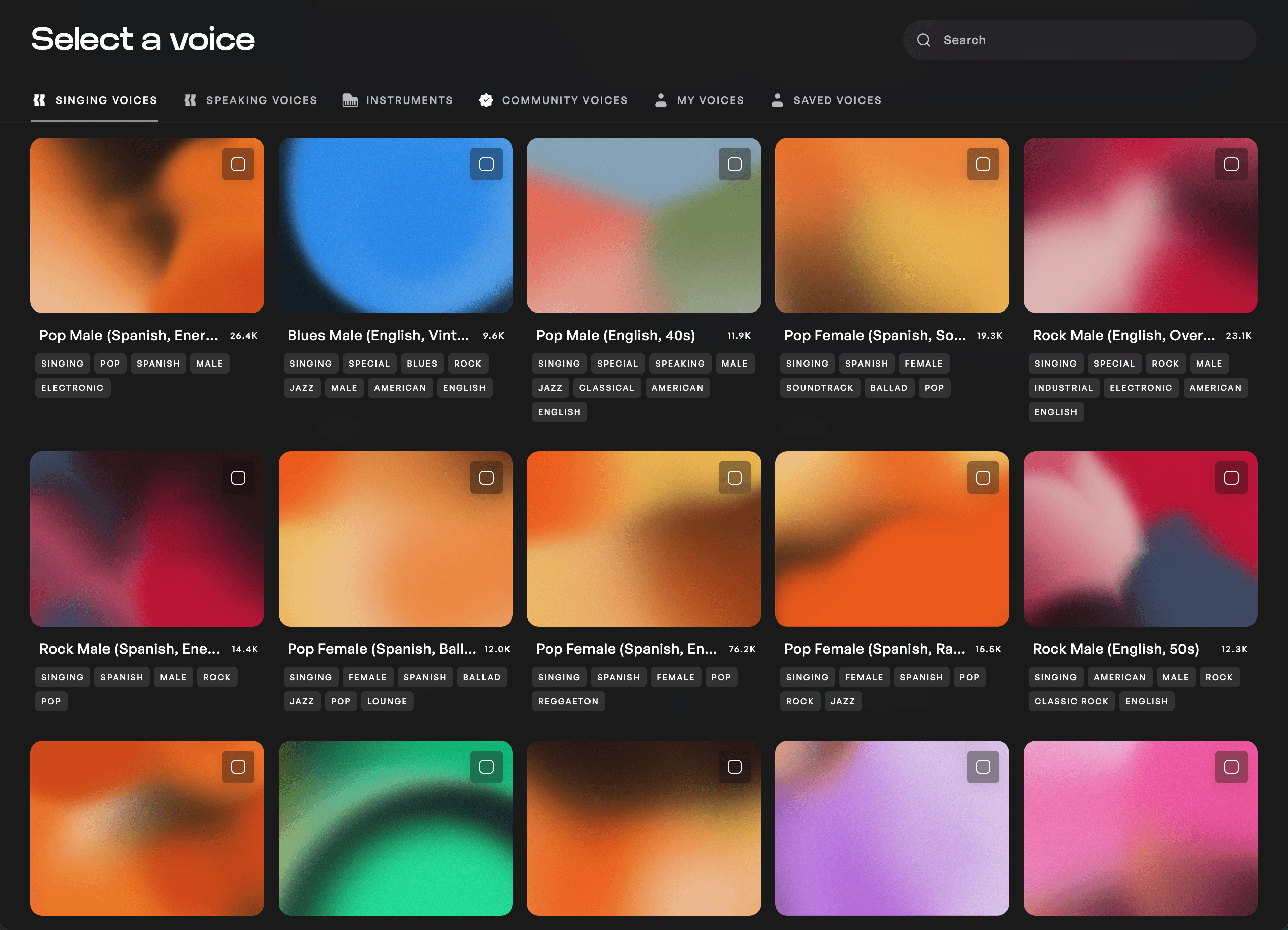
En lugar de empezar con "¿Quién puede cantar esto?", empieza con "¿A quién debería parecerse esto?". Dentro de Kits, esto se vuelve mucho más fácil porque puedes audicionar rápidamente múltiples tonos emocionales sin reservar una sola sesión. Intenta experimentar con diferentes estilos de canto o voces generadas por IA, una interpretación más suave, luego cambia a algo más potente y nota lo drásticamente que cambia la gravedad emocional de tu tema.
Paso 2: Adapta la voz al género (y sé creativo)
Cada género tiene sus tendencias vocales. El pop suele inclinarse hacia un tono limpio y claridad emocional, el indie tiende a premiar la textura y la personalidad, el R&B favorece el control dinámico y el fraseo, y el rock se nutre de la potencia y la garra. El hip-hop frecuentemente prioriza el tono y la cadencia por encima de la perfección del tono, mientras que el EDM se beneficia de voces brillantes y con ganchos directos que destacan en una producción densa.
Con los modelos de voz de Kits, puedes probar la alineación con el género casi al instante. Puedes colocar la misma melodía vocal en múltiples voces y escuchar inmediatamente si tu tema se inclina más hacia lo alternativo, lo comercial o lo experimental.
YouTube: "Discover Your Perfect Singing Genre" - publicado por Singing Insiders
Mejor aún, puedes romper las expectativas intencionalmente. Combina una voz de estilo indie con una base pop pulida, o superpón una interpretación suave e íntima sobre una producción agresiva. Experimentar con diferentes bases instrumentales puede ayudarte a encontrar la mejor combinación para tu dirección vocal. En estas combinaciones inesperadas es donde a menudo viven los discos más memorables, y la IA hace que explorar esos límites sea mucho menos arriesgado.
Paso 3: Prioriza el tono por sobre el rango
Es fácil distraerse con el rango vocal o la habilidad técnica, pero la mayoría de las canciones memorables se construyen sobre el tono y la identidad en lugar de las acrobacias. Los oyentes conectan con voces que se sienten distintivas y emocionalmente creíbles, no necesariamente con las técnicamente más impresionantes.
Pregúntate si la voz se siente reconocible, si complementa o compite con la base instrumental y si se asienta de forma natural en la mezcla. Estas preguntas importan más que cuántas notas pueda alcanzar alguien.
YouTube: "7 Days To Improve Your Vocal Tone" - publicado por Bob Smeenk
Con Kits, puedes comparar múltiples tonos lado a lado usando exactamente la misma melodía y letra. Esto hace que sea drásticamente más fácil identificar qué voz realmente eleva la producción en lugar de sonar simplemente impresionante de forma aislada. En muchos casos, una voz de rango medio con un fuerte carácter superará a una interpretación técnicamente perfecta pero genérica.
Paso 3: Audiciona antes de comprometerte
En los flujos de trabajo tradicionales, probar vocalistas puede ser lento y costoso. Contactas a los cantantes, envías referencias, coordinas sesiones, grabas tomas, editas las voces, y solo entonces decides si la voz realmente funciona. Para cuando te das cuenta de que no es la adecuada, ya has invertido una cantidad significativa de tiempo y presupuesto.
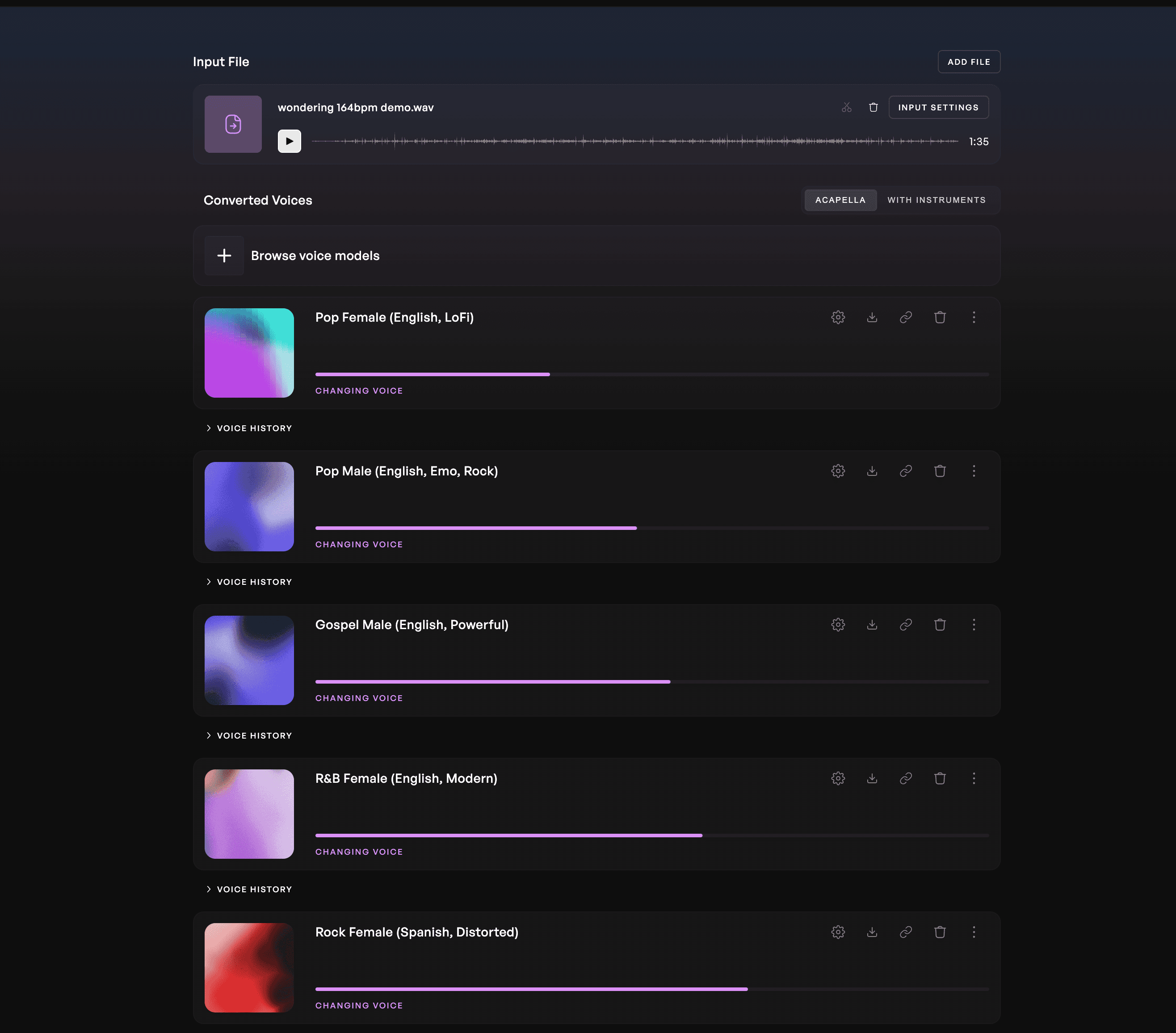
Kits cambia ese proceso por completo. En lugar de adivinar, puedes audicionar docenas de direcciones vocales al instante dentro de tu flujo de trabajo de producción existente. Puedes probar una interpretación masculina suave, luego cambiar a un tono con soul, luego experimentar con algo lo-fi y texturizado, todo en cuestión de minutos. A medida que comienzas a sintonizar un género, rango o línea tonal que encaje con tu producción, te vas acercando de forma natural al tipo de artista que realmente hará brillar el tema. Se trata menos de reemplazar el elemento humano y más de presentarse a la colaboración con una brújula creativa más clara.
Esta libertad cambia la forma en que tomas decisiones. Ya no estás atrapado en una sola dirección desde el principio. Puedes explorar ampliamente, aprender más rápido y comprometerte con confianza una vez que la identidad vocal adecuada se revele por sí misma.
Técnicas de modificación de voz: Dando forma al ajuste vocal perfecto
La producción musical moderna se trata de flexibilidad y control creativo, y las técnicas de modificación de voz están en el corazón de esta evolución. Gracias a la tecnología musical de IA, los productores ahora tienen acceso a una amplia gama de modelos de voz que pueden transformar cualquier entrada vocal en algo verdaderamente único. Ya sea que estés trabajando con tu propia voz, la de un colaborador o voces libres de derechos, las herramientas de voz de IA te permiten experimentar con todo, desde cambios sutiles hasta transformaciones dramáticas.
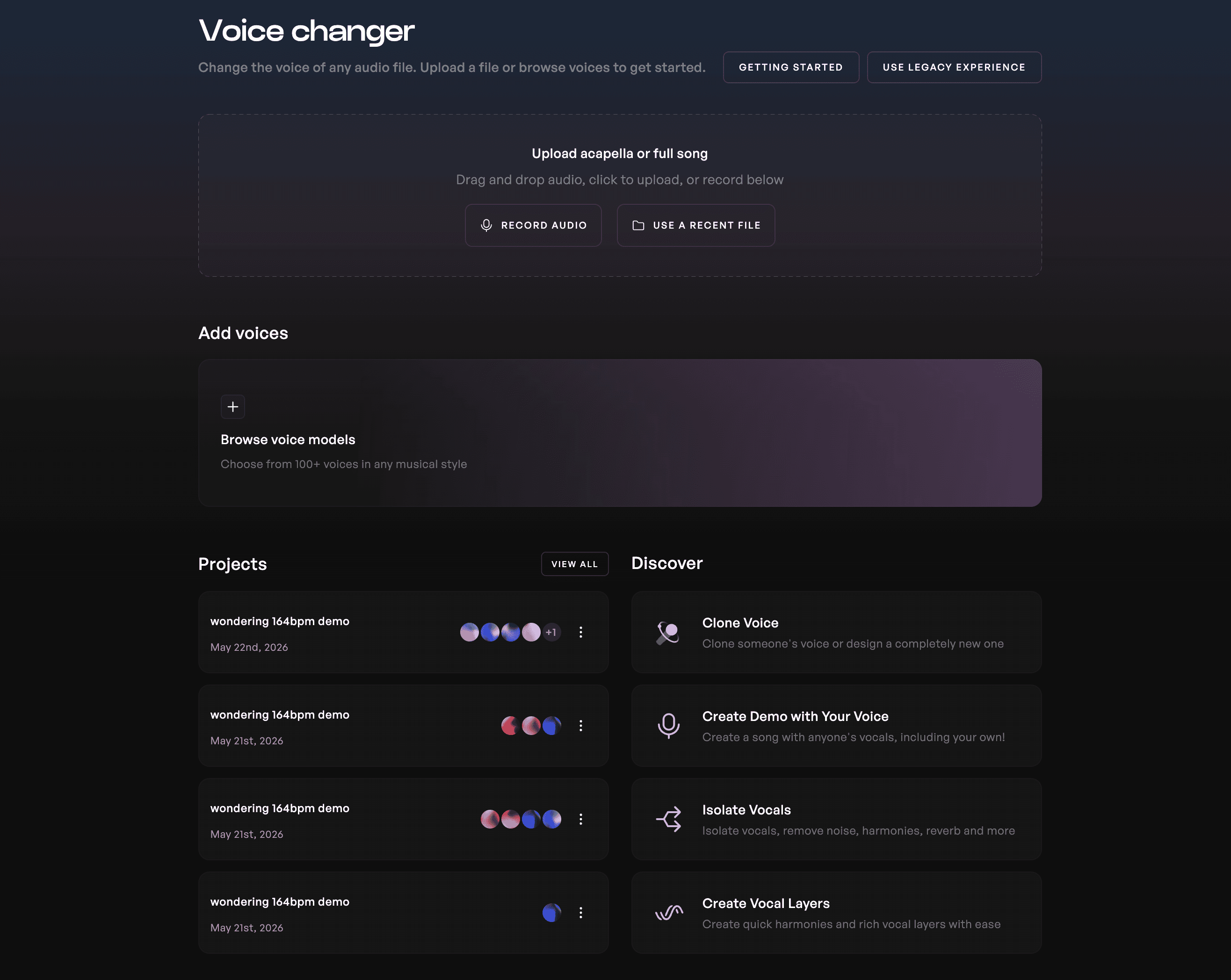
Las herramientas de modificador de voz son especialmente potentes para dar forma al ajuste vocal perfecto. ¿Quieres escuchar cómo suena tu melodía vocal con un tono, afinación o incluso género diferentes? Con solo unos pocos clics, puedes jugar con innumerables muestras de voz y escuchar los resultados al instante en tus temas instrumentales. Esto abre un mundo de posibilidades para los músicos que buscan crear sonidos destacados sin estar limitados por su red de contactos inmediata o su rango vocal.
Los productores ahora pueden crear, subir y transformar muestras para que coincidan exactamente con la vibra que buscan. Ya sea que busques un sonido clásico o algo que nunca antes se haya escuchado, los modelos de voz de IA facilitan experimentar y encontrar el ajuste adecuado. Y con acceso a voces gratuitas y libres de derechos, puedes jugar, crear e iterar sin preocuparte por las licencias o las limitaciones de presupuesto. ¿El resultado? Más libertad creativa, flujos de trabajo más rápidos y un sonido que es verdaderamente tuyo.
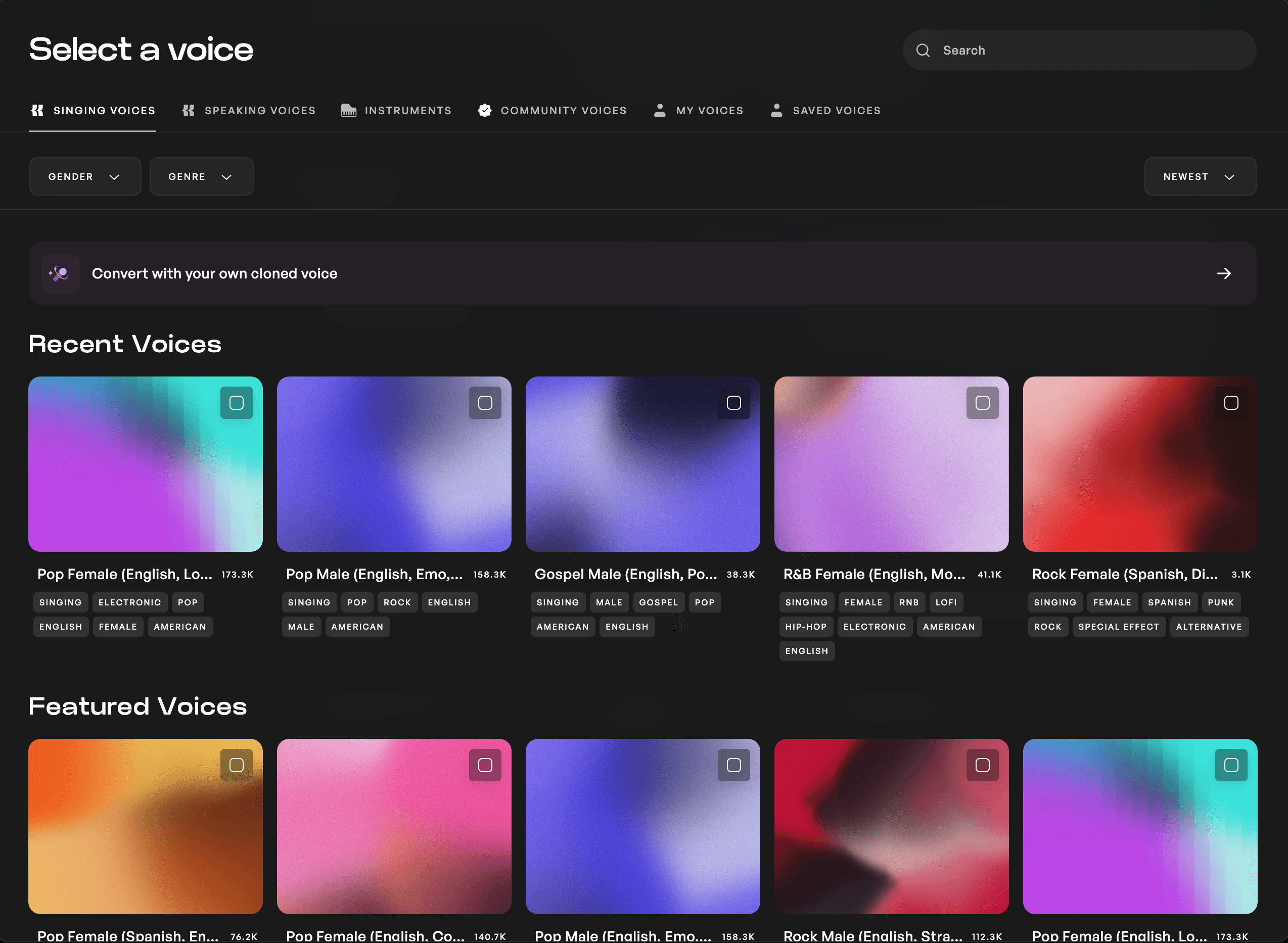
Cómo los modelos de voz de Kits te ayudan a encontrar al vocalista adecuado más rápido
Una de las mayores ventajas de usar Kits es la rapidez con la que permite crear prototipos vocales. Piensa en ello como un bloc de notas creativo para voces. Si no estás seguro de si tu estribillo debe sentirse íntimo o para estadios, puedes generar ambas versiones y compararlas de inmediato. Ese tipo de iteración rápida es increíblemente poderoso durante la composición temprana de canciones, cuando las melodías y el fraseo aún están evolucionando. Kits es una herramienta valiosa para cualquier compositor que busque crear prototipos rápidos de ideas vocales y refinar su proceso de composición.
Kits también amplía tu acceso a voces más allá de tu red de contactos inmediata. La mayoría de los productores están limitados por a quiénes conocen o a quiénes pueden permitirse contratar, pero la IA elimina ese cuello de botella. Puedes explorar un amplio espectro de estilos, tonos y estéticas vocales sin preocuparte por la geografía o los horarios, lo que de forma natural conduce a decisiones creativas más audaces. Kits es útil no solo para productores solistas, sino también para bandas que desean experimentar de forma colaborativa con diferentes combinaciones de voz e instrumentos.
Otro beneficio importante es la capacidad de crear maquetas más sólidas y convincentes. Si estás presentando canciones a artistas, sellos discográficos o colaboradores, la calidad de la voz importa. Una voz de IA pulida puede hacer que tus ideas se sientan más terminadas, comunicar la intención emocional con mayor claridad y ayudar a quienes toman las decisiones a entender tu visión de inmediato. En muchos casos, una maqueta más sólida es la diferencia entre pasar desapercibido y conseguir un interés real.
Incluso si planeas grabar a un vocalista real más adelante, Kits sigue siendo increíblemente valioso. Puedes usarlo para asegurar melodías, refinar el fraseo, probar diferentes tonos y ajustar la fluidez de la letra antes de entrar al estudio. Para cuando traigas a un cantante humano, ya no estarás experimentando a ciegas; estarás ejecutando con claridad y propósito. Las maquetas de alta calidad creadas con Kits también se pueden compartir en plataformas como YouTube para llegar a un público más amplio y mostrar tu trabajo.

Cuándo usar Kits frente a un vocalista humano
La IA no reemplaza el arte humano; lo amplifica. Kits es especialmente potente durante la composición, la generación de ideas, la preproducción y los flujos de trabajo creativos rápidos donde la velocidad y la flexibilidad importan. También es una herramienta sólida para creadores independientes que necesitan avanzar rápidamente sin sacrificar la calidad.
Los vocalistas humanos destacan en áreas donde los matices emocionales profundos y la colaboración son esenciales. Las actuaciones en vivo, las sesiones colaborativas de composición de canciones y el branding de artistas a largo plazo se benefician de la profundidad y la individualidad que solo un intérprete real puede aportar. Los creadores más innovadores no están eligiendo una opción u otra, sino que están utilizando ambas de manera estratégica.
Extra: Elegir la dirección vocal adecuada
Ya sea que uses Kits o trabajes con un cantante real, ayuda someter tus elecciones vocales a una prueba de esfuerzo. Presta atención a si la voz realmente coincide con el núcleo emocional de la canción y si se siente natural en la mezcla. Nota con qué rapidez se vuelve memorable y si mejora o distrae de la producción.
Si no estás seguro, intenta otra dirección. Eso podría ser algo tan simple como cambiar tu cadena de grabación, o usar herramientas como Kits: la experimentación ya no conlleva un costo creativo o financiero elevado. Puedes explorar libremente hasta que la voz adecuada sea obvia.
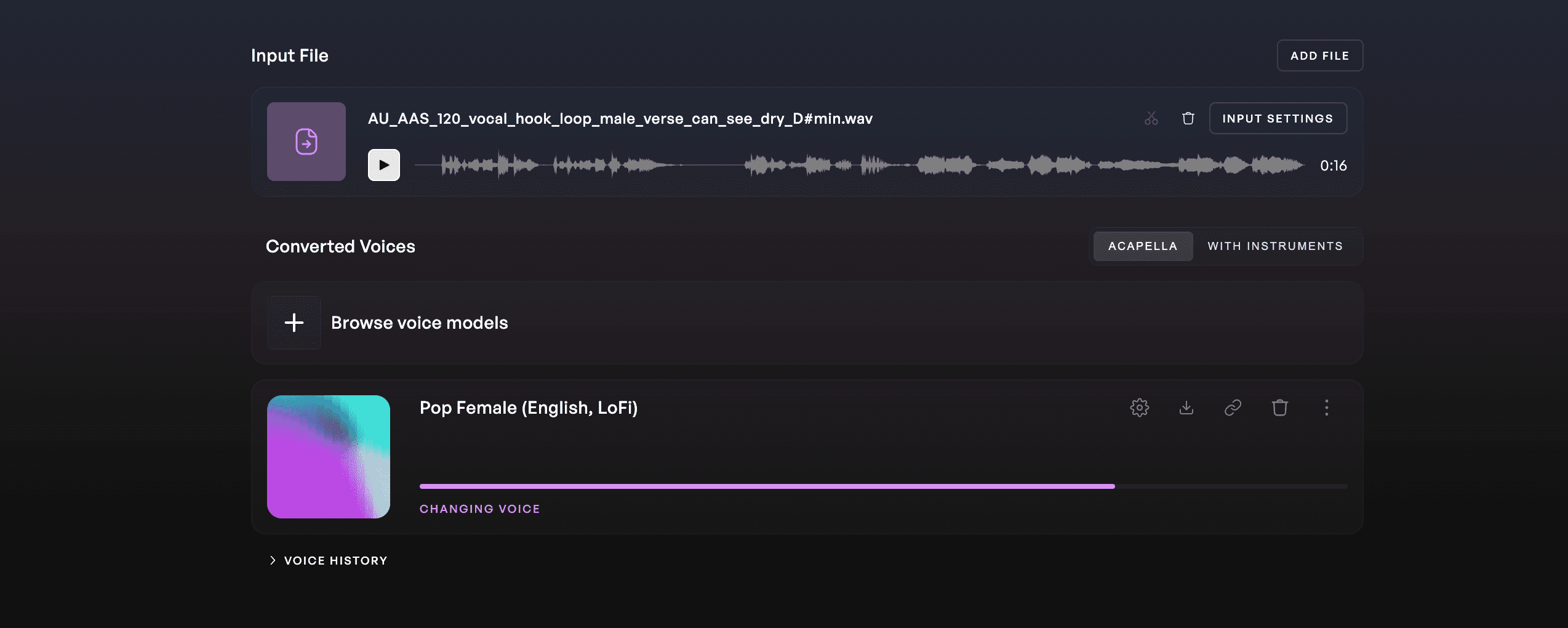
El nuevo flujo de trabajo vocal
Estamos entrando en una era en la que los productores ya no están bloqueados por la logística. En lugar de esperar días o semanas para probar ideas vocales, las herramientas modernas te permiten avanzar al ritmo de la inspiración.
Puedes explorar más ideas, descartar direcciones débiles más rápido y duplicar los esfuerzos en lo que funciona. Y cuando traes a un vocalista humano, guías la sesión con intención en lugar de a base de prueba y error.
Ese cambio no solo hace que la producción sea más rápida, sino que la hace más creativa.
Reflexiones finales
Encontrar al vocalista adecuado es parte instinto, parte experimentación y parte diseño del flujo de trabajo. Define primero la emoción, prioriza el tono sobre el brillo técnico y prueba múltiples direcciones antes de comprometerte.
Herramientas como Kits eliminan la fricción de ese proceso, dándote la libertad de explorar más ideas y tomar mejores decisiones creativas.
Porque la voz adecuada no se limita a cantar tu canción.
La define.
Empieza, gratis.
Optimiza tu flujo de producción vocal con herramientas de audio AI de calidad de estudio
